PROACTIVE PITCH · 2026
Redeclaration Day
A campaign for Coca-Cola
01The brief
In 2026 the Declaration of Independence turns 250. Every brand with an American story will show up for it. I wanted to see what Coca-Cola could say that only Coca-Cola could say, and I wanted to say it before anyone asked.
02The insight
The American idea was always bigger than America. Six other nations wrote their own declarations after it, in their own languages.
We hold these truths to be global.
03The idea
Pursue happiness.
The Coca-Cola Spencerian script is one of the most recognized visual assets on earth, and the brand itself has stood for American democracy and its ideals for a century. What if the script literally spelled out those ideals, in the languages of the countries that embraced them? Life, Liberty, Happiness, on the bottle.
The bottles were the beginning. Then an anthem film: around the world with the sun as it lights six iconic statues, each raising a Coke bottle with Life, Liberty or Happiness in its own language, until it reaches Liberty in New York at dawn. No logo anywhere. The word on the bottle is the only branding.
04The making
The words
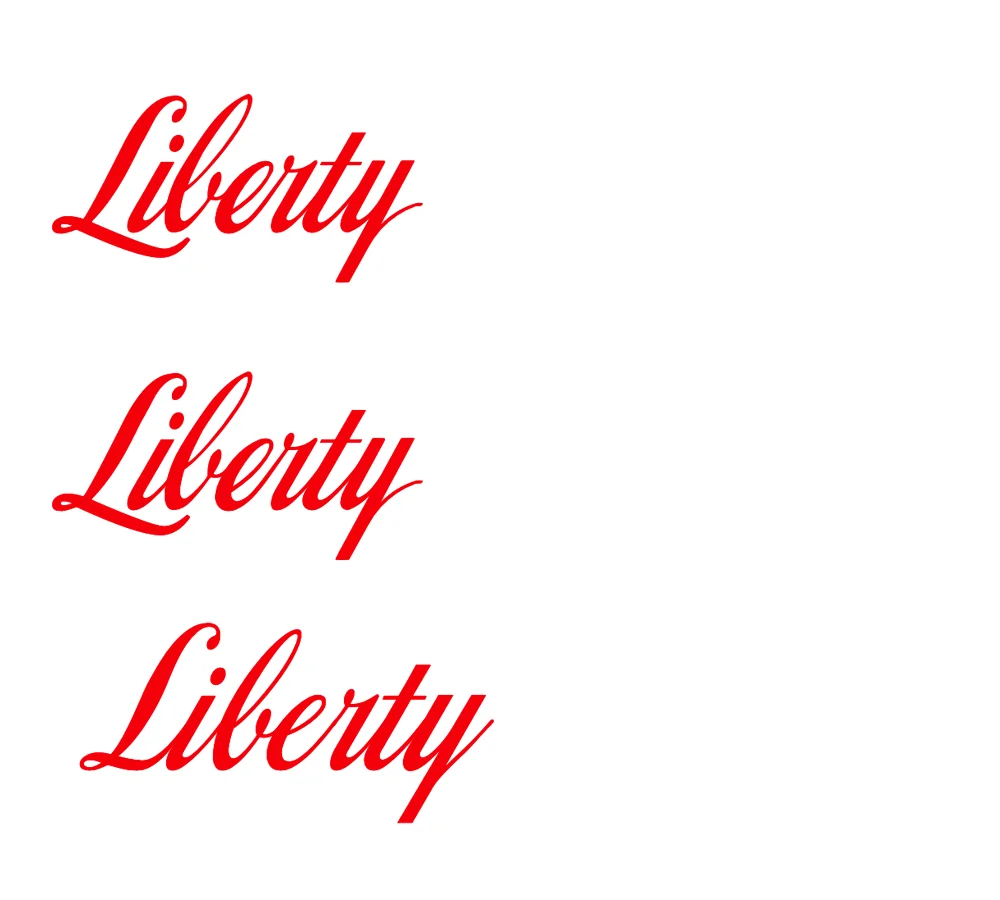
The script came first. No official Coca-Cola font exists outside the company, so I set the words in every Spencerian-style face I could find and compared them letter by letter against the real logotype. The bottom one, Colagraph, carried the weight and the loop of the L. It became the base for everything.
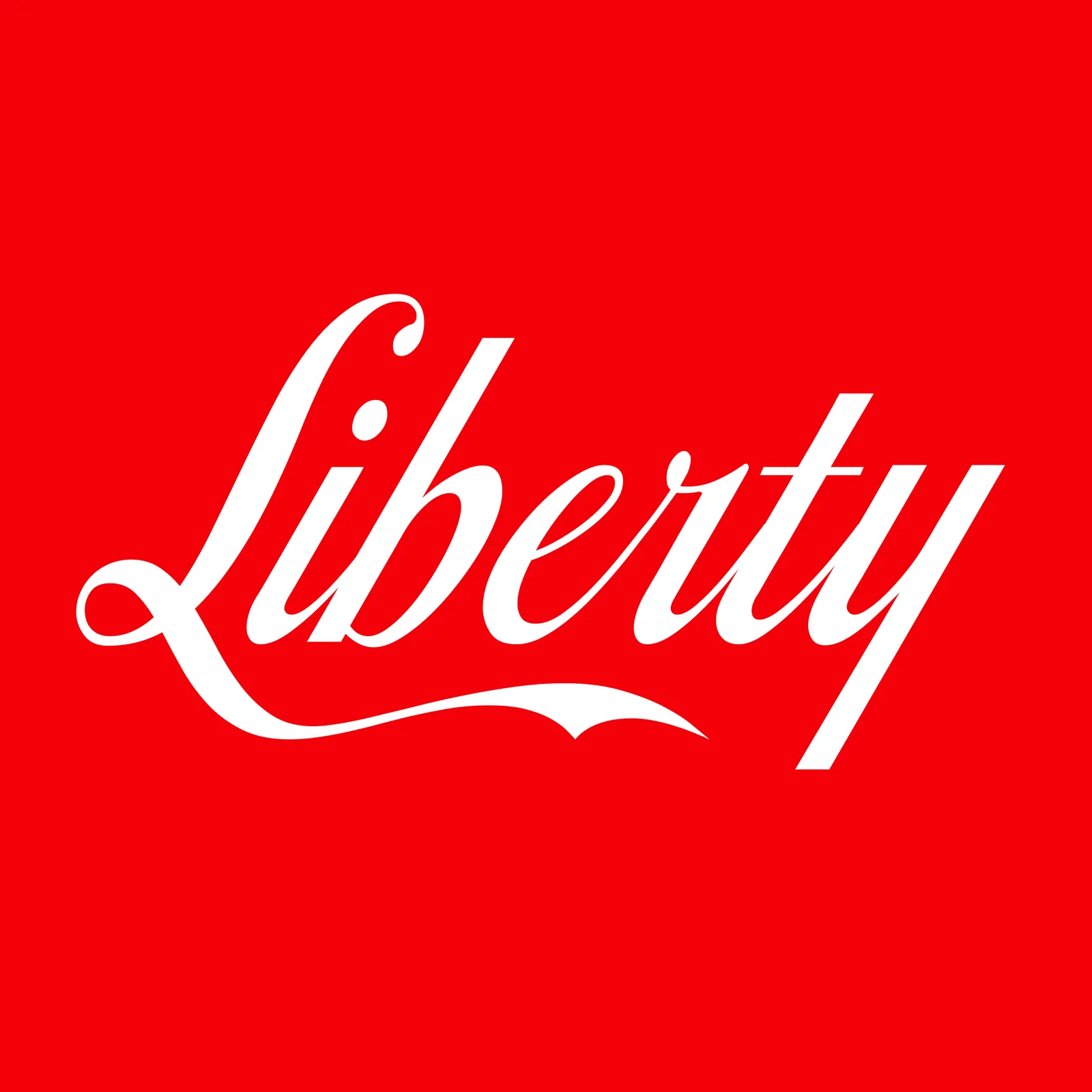
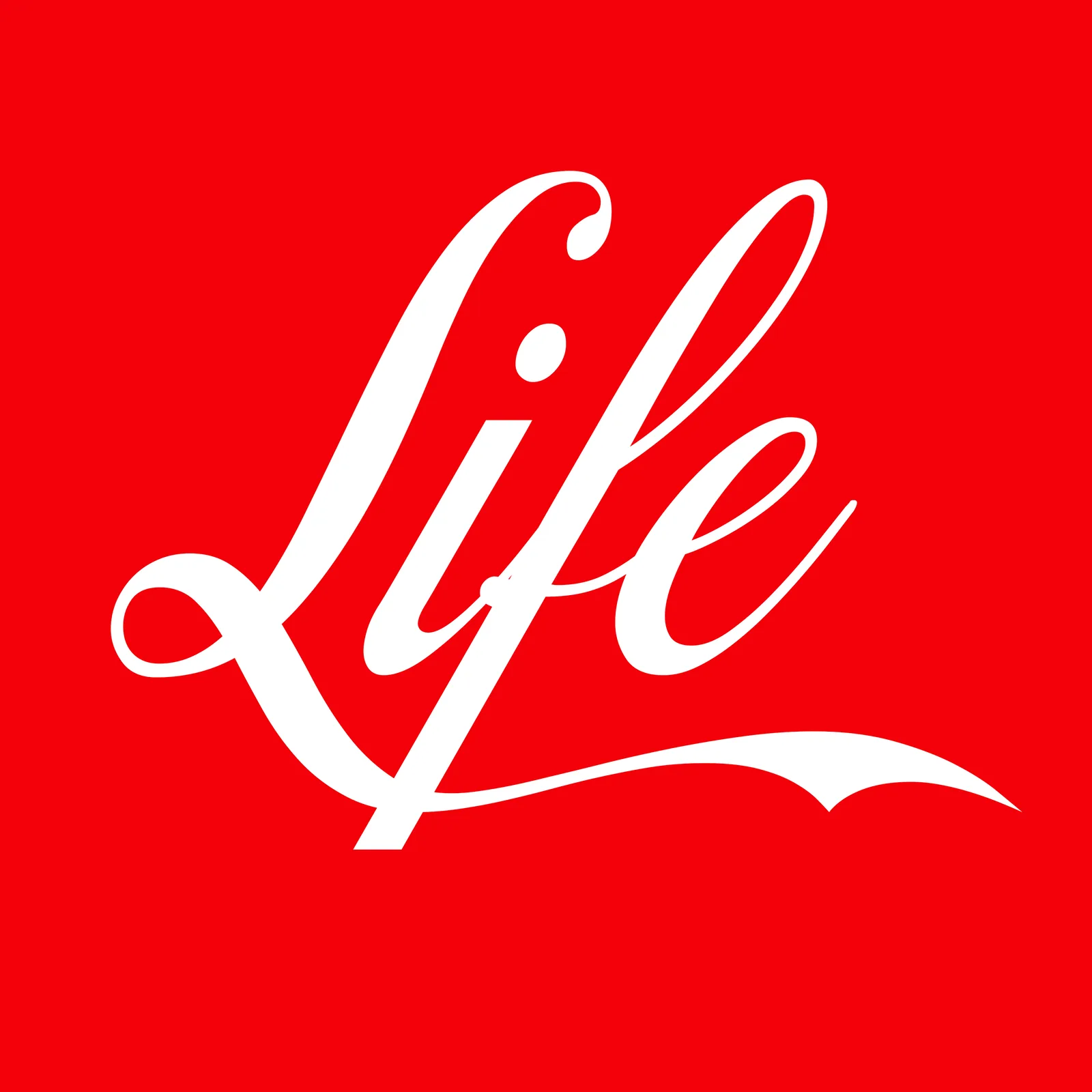
The labels, built as vector art in Illustrator. The face was a starting point. Every word was refined by hand so the swash, the spacing and the tail matched the logotype's own rhythm.
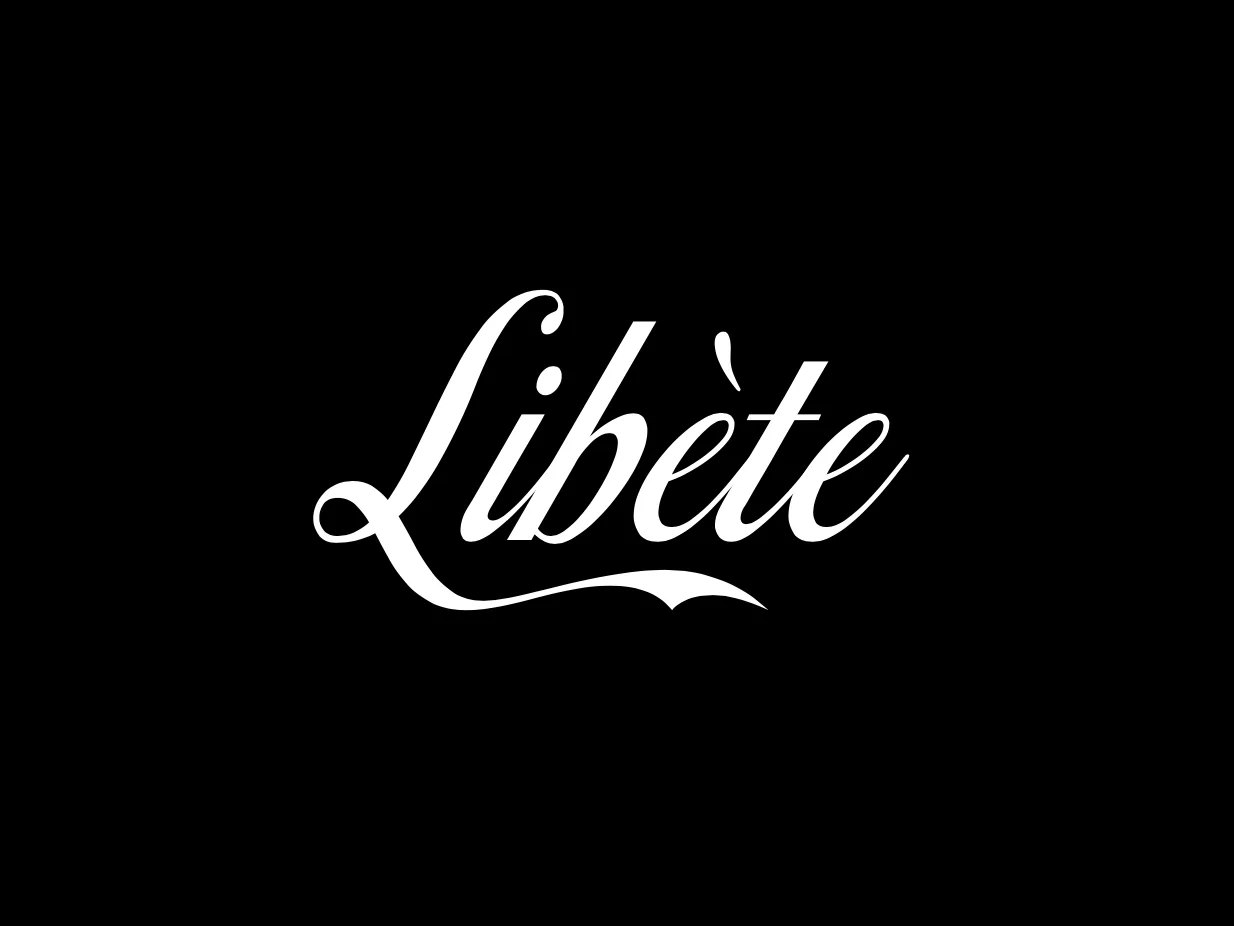
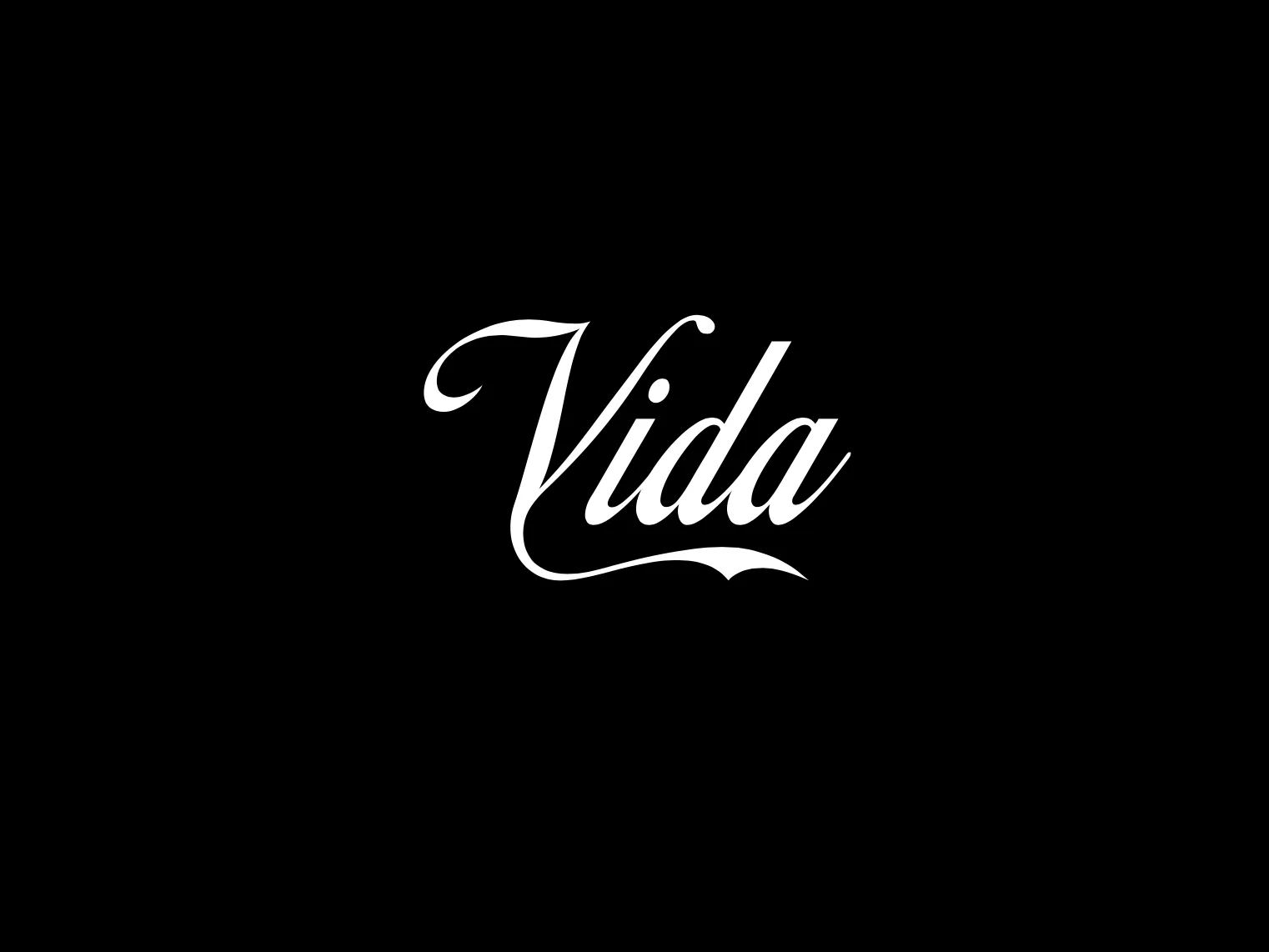
Then the languages. Libète for Haiti. Vida for Venezuela. Felicidade for Brazil. Liberté for France.
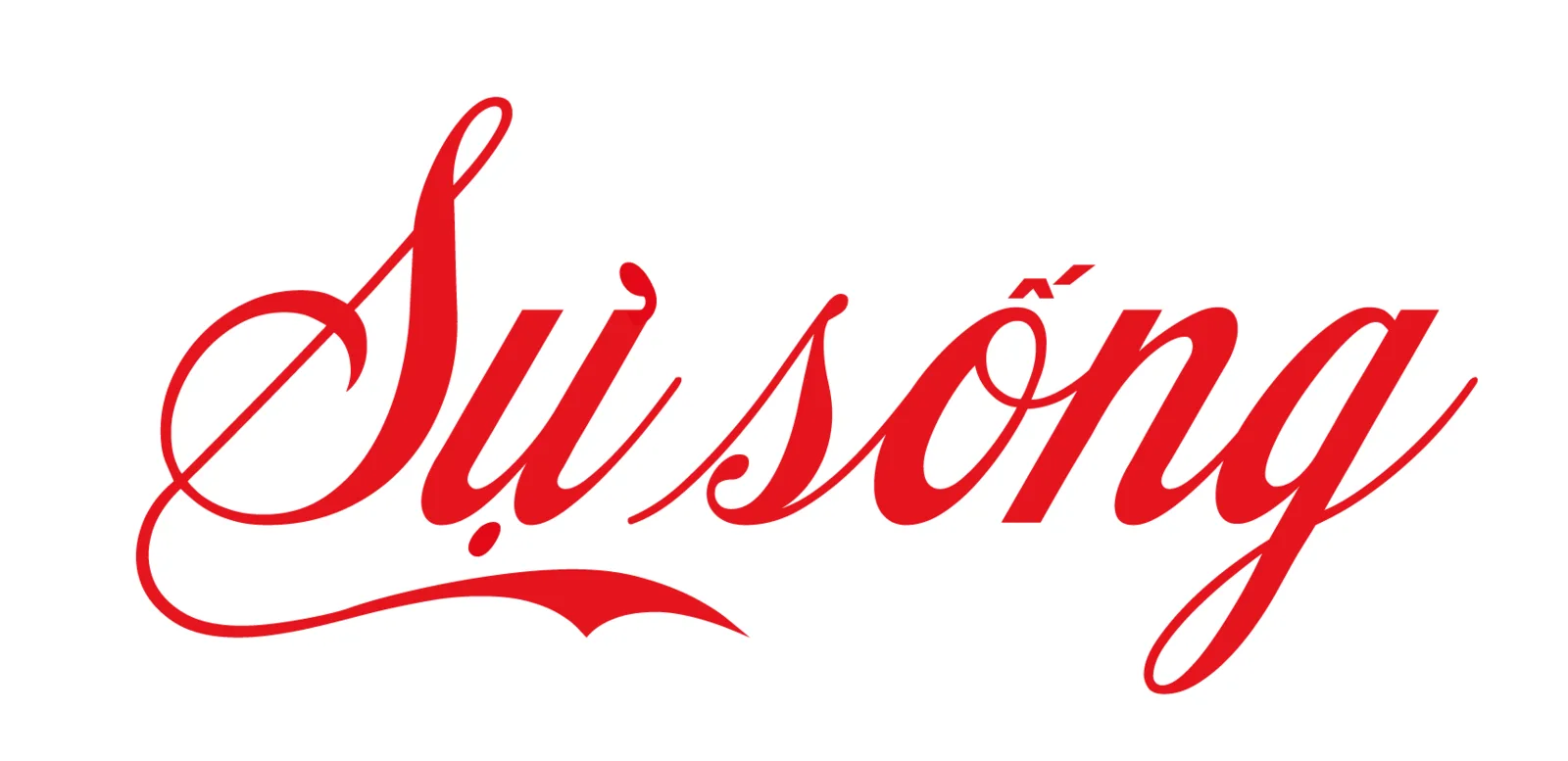
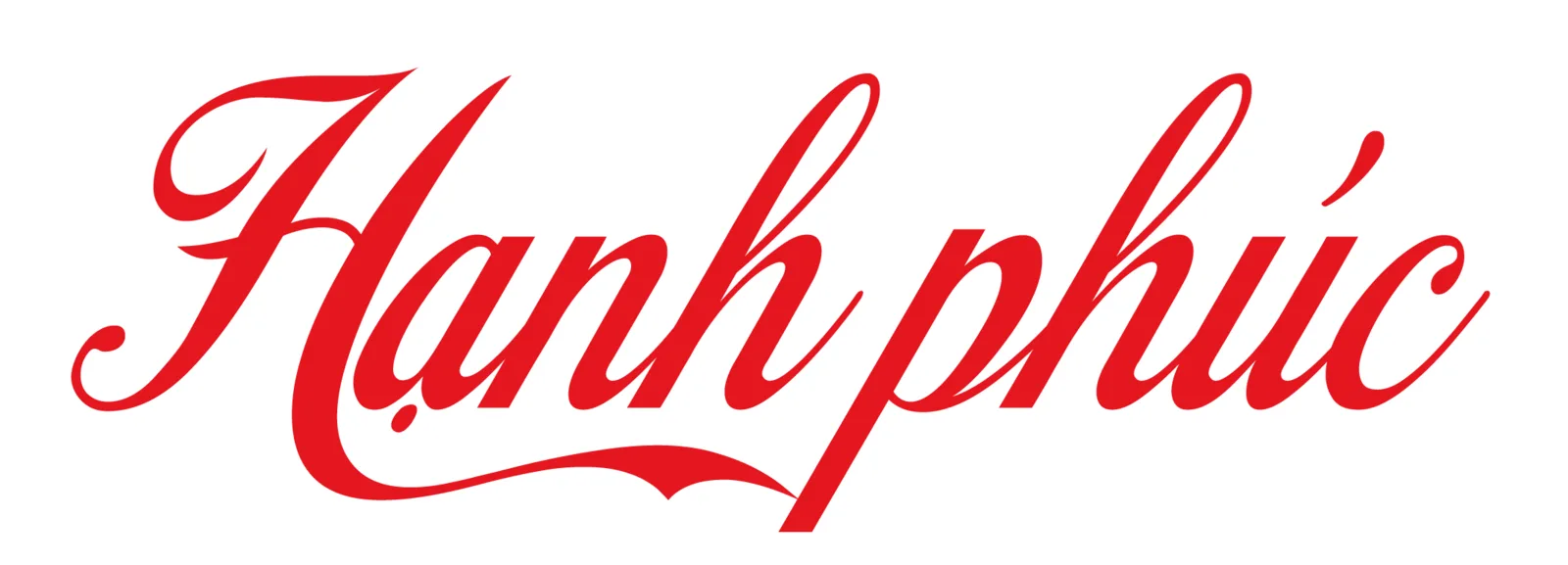
Vietnamese was the hardest. No script face carries its diacritics. Sự sống, Tự do and Hạnh phúc were lettered from scratch in Illustrator.
The statues
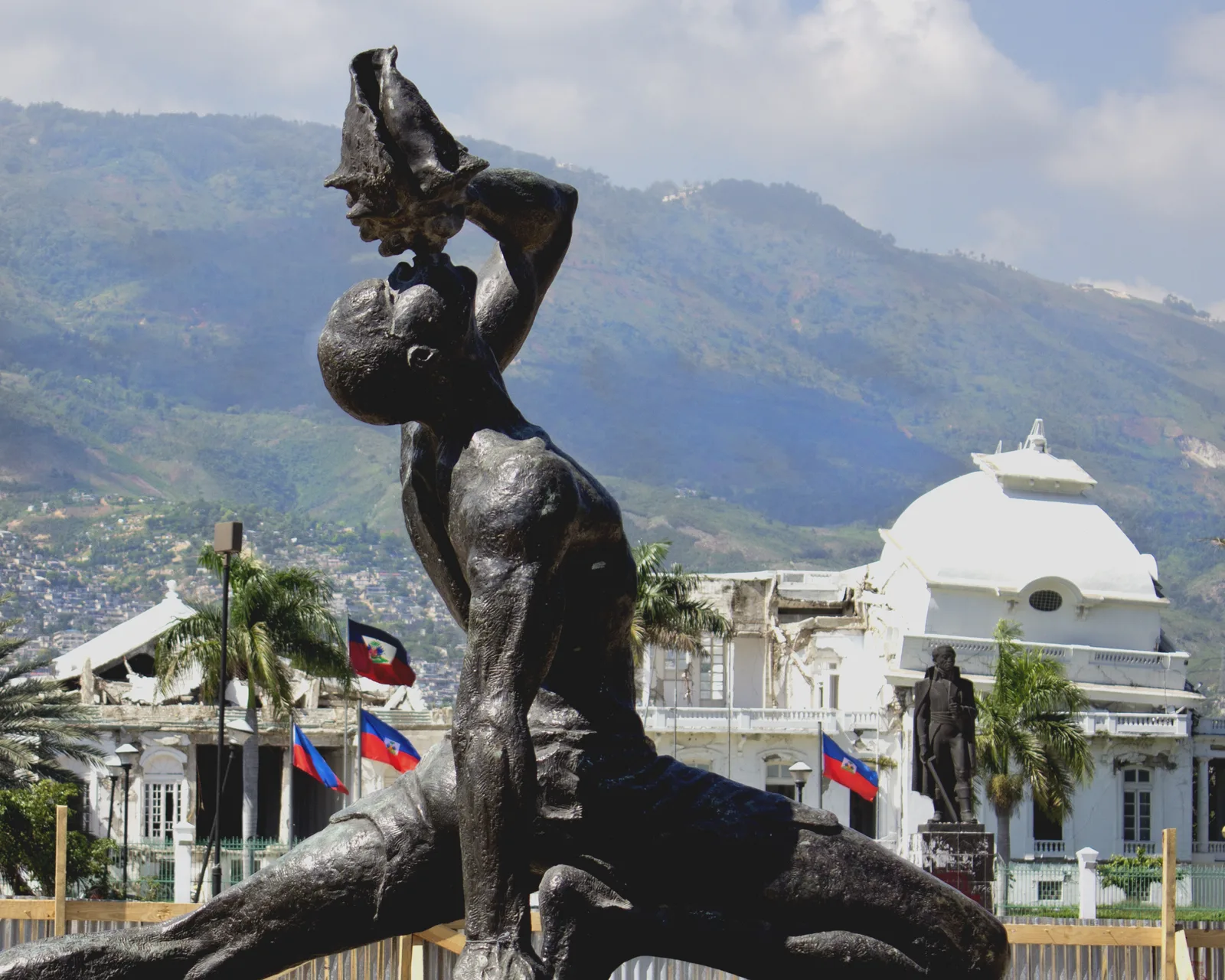
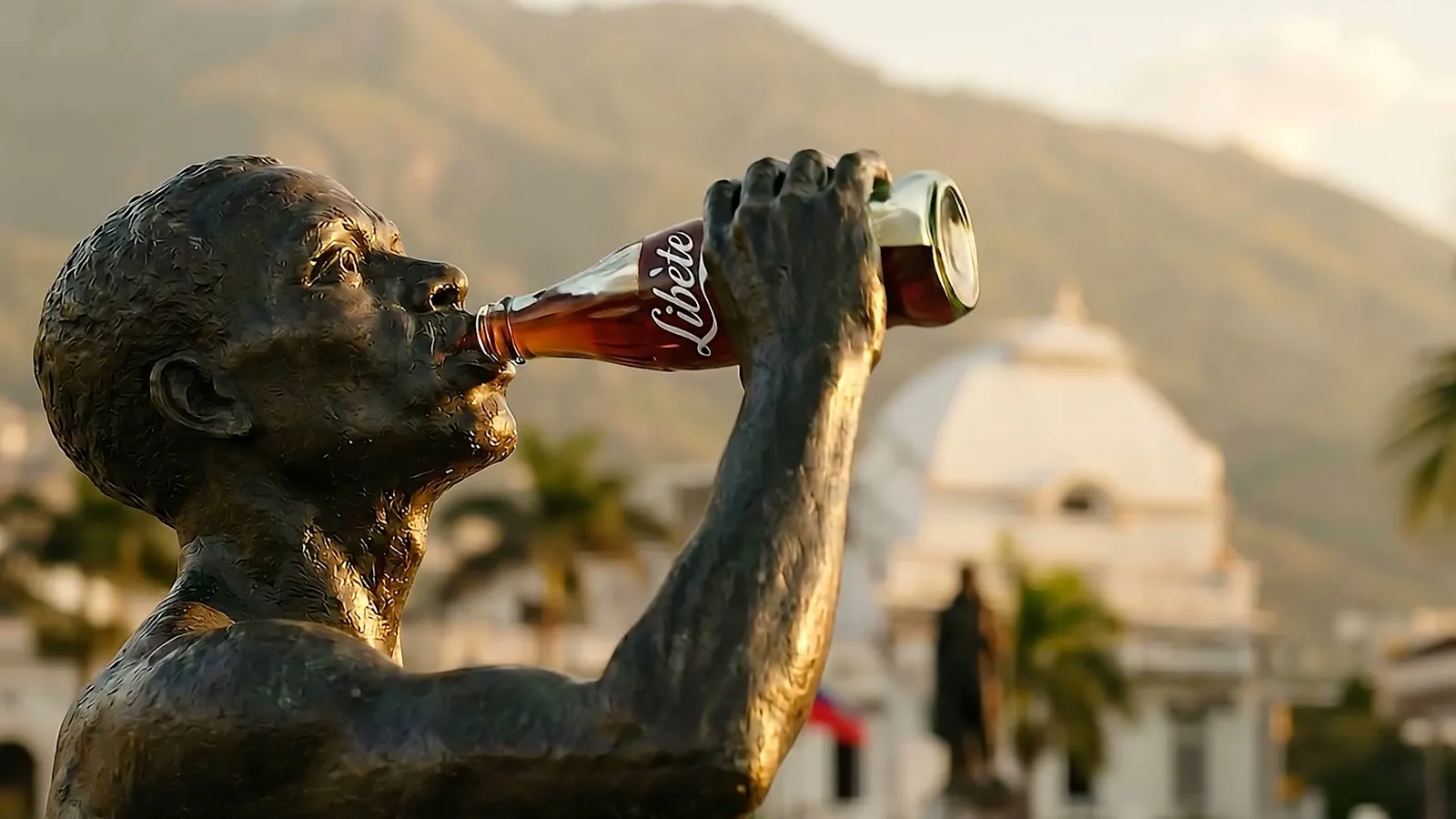
Port-au-Prince, 1804. The statues were chosen from photographs, not invented. Le Marron Inconnu sounds a conch. In the film the conch is the bottle, Libète in Kreyòl, and he is the first to drink. The rule for every monument was the same. Change nothing except the object it already holds.
Prompt excerptThis is Le Marron Inconnu, completed September 22, 1967 by Haitian architect Albert Mangonès. This specific statue and no other.
Photograph via Wikimedia Commons. Albert Mangonès, Le Marron Inconnu, 1967
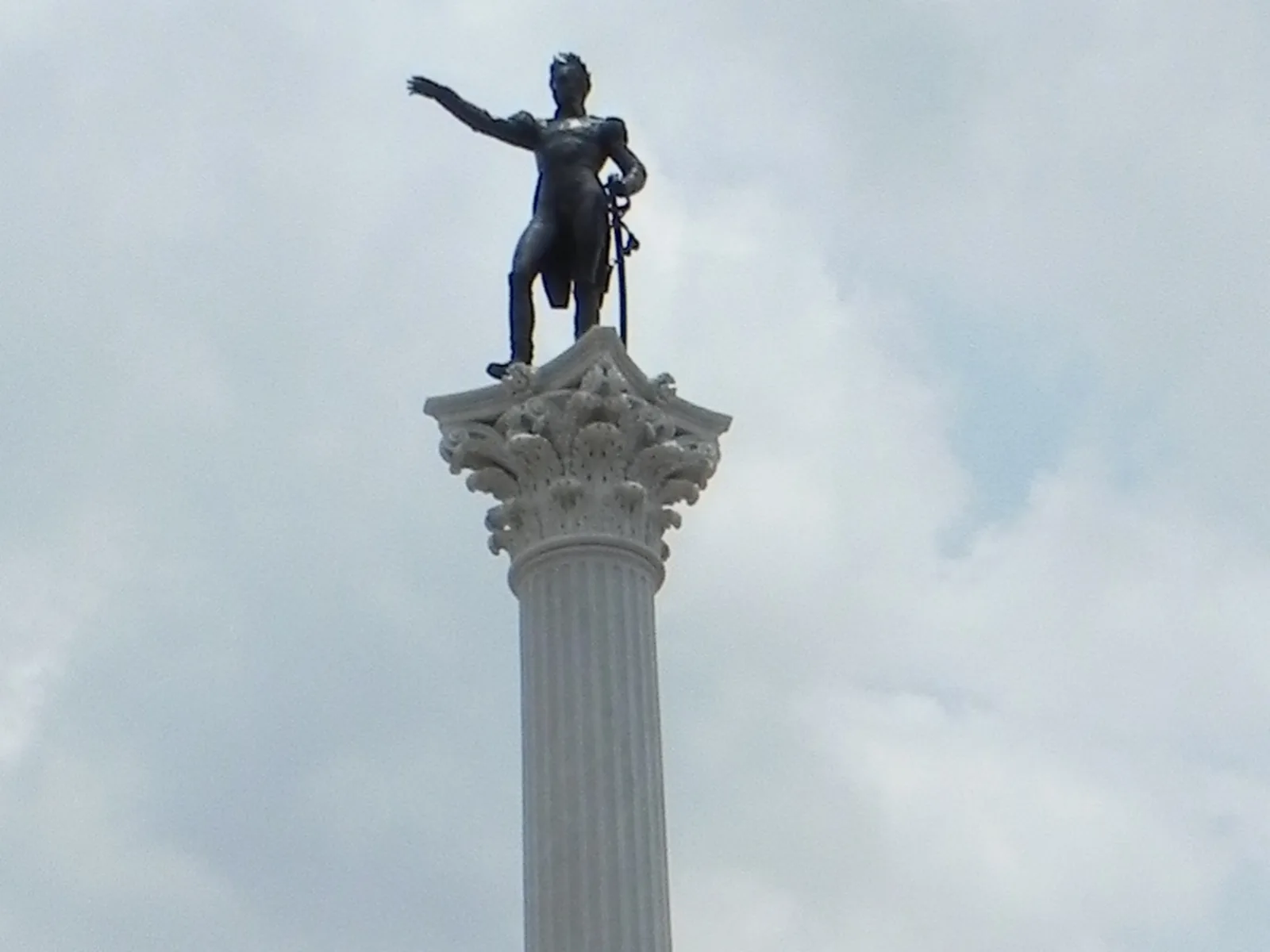
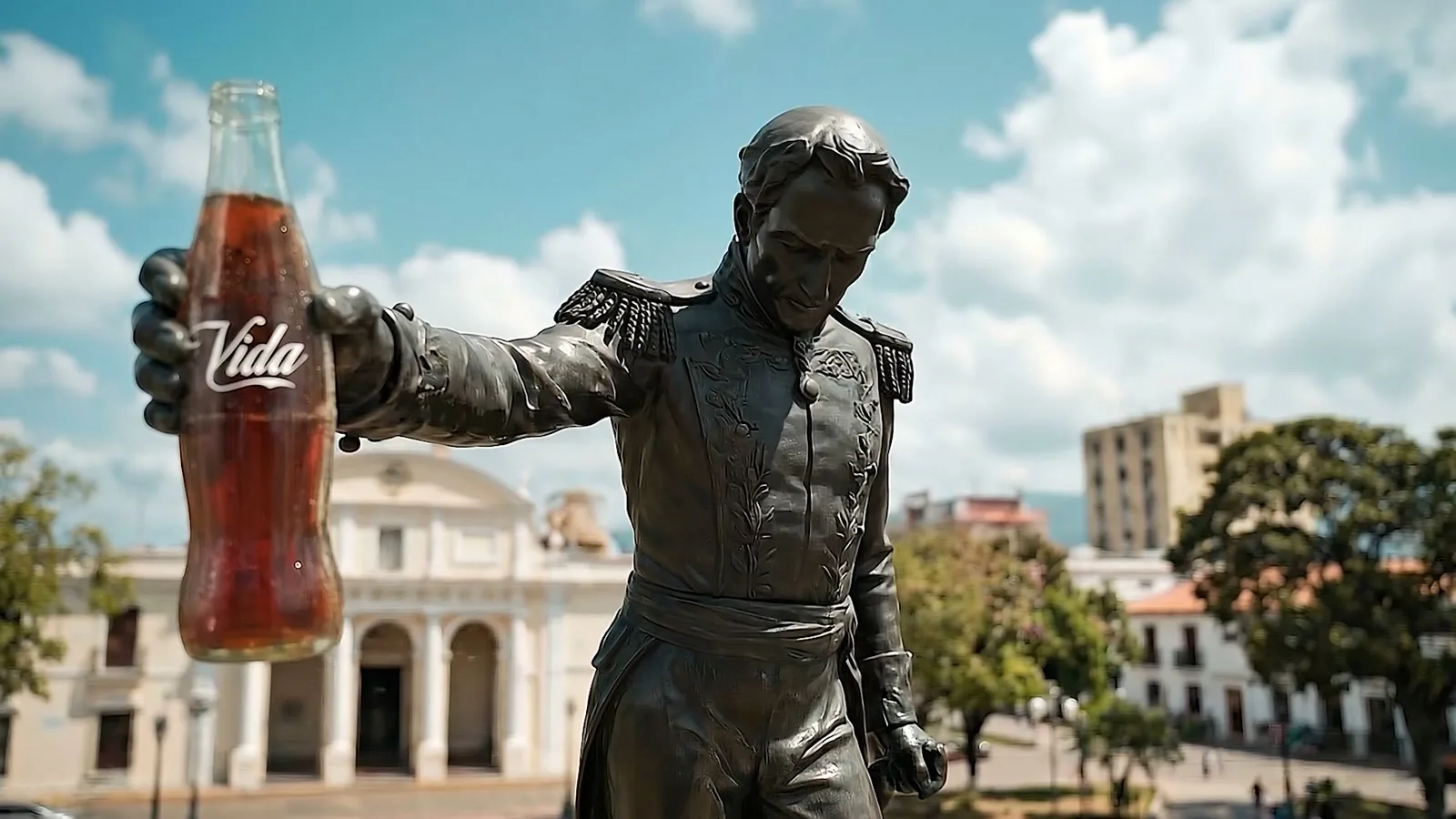
Valencia, 1811. Bolívar on his column, arm outstretched. In the film the camera comes up to meet him, and the hand holds Vida.
Photograph by Diegoept, CC BY-SA 4.0
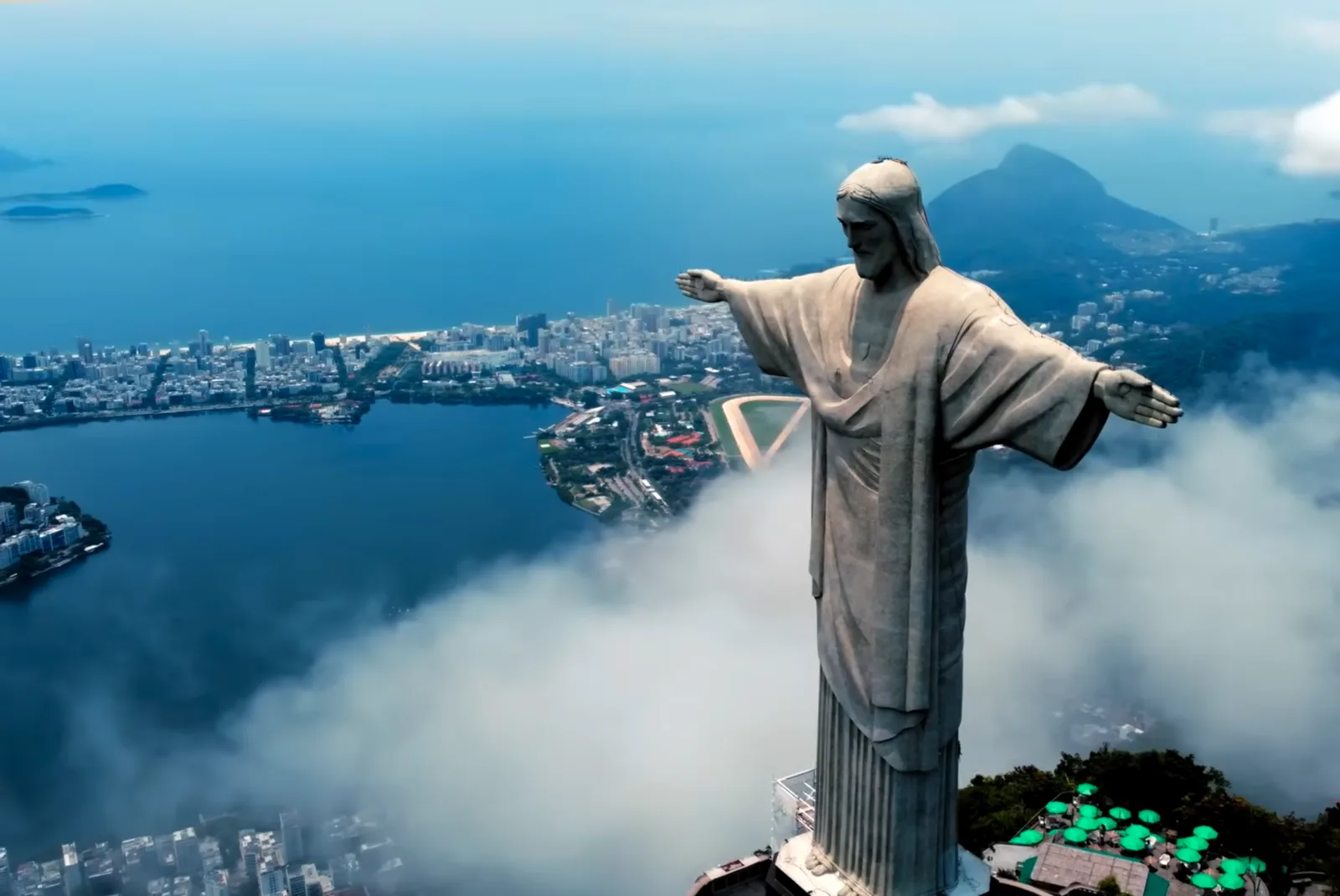
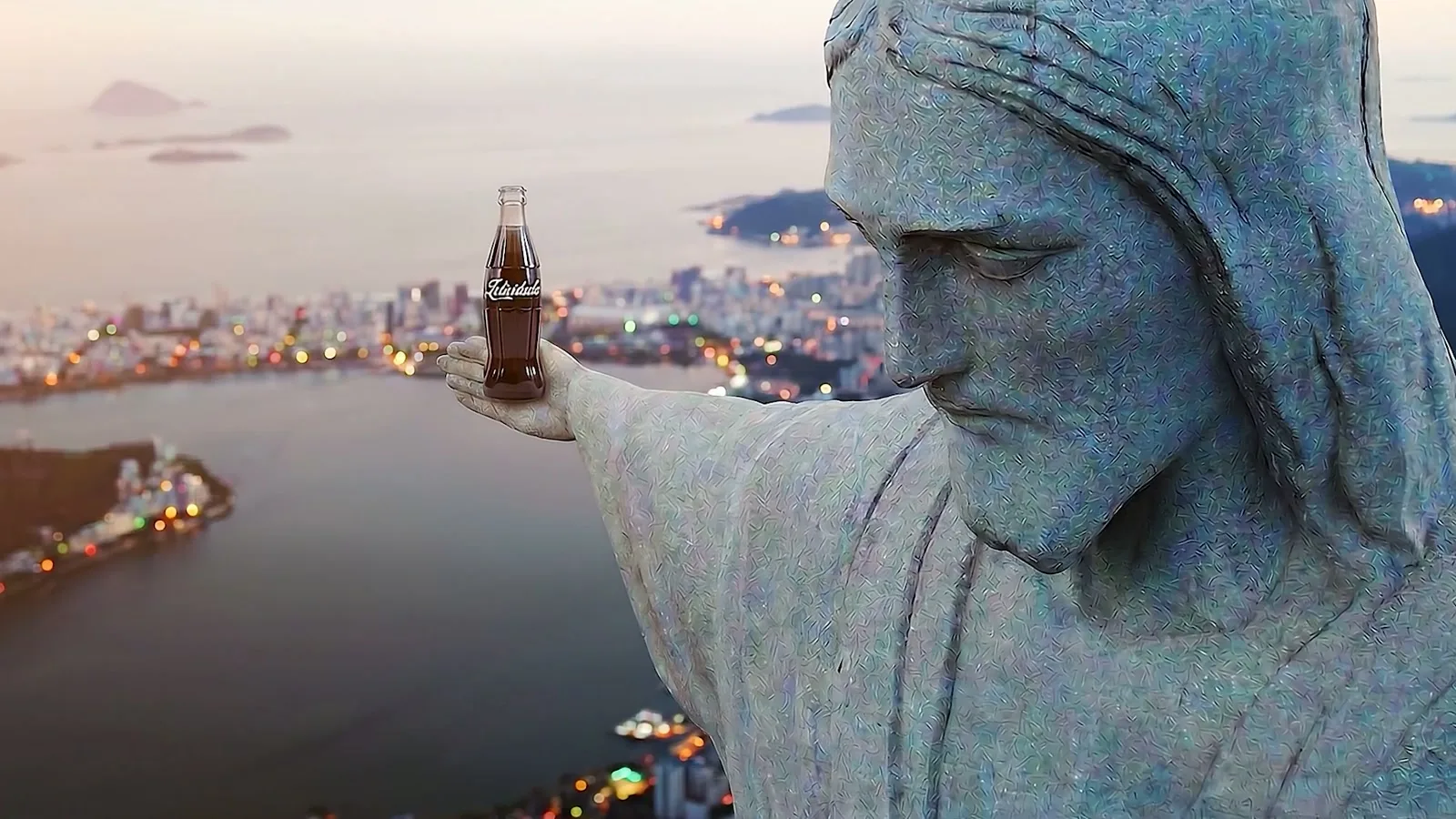
Rio, 1822. Felicidade in an open hand, over the city, at the hour the sun reaches it.
Photograph via Wikimedia Commons
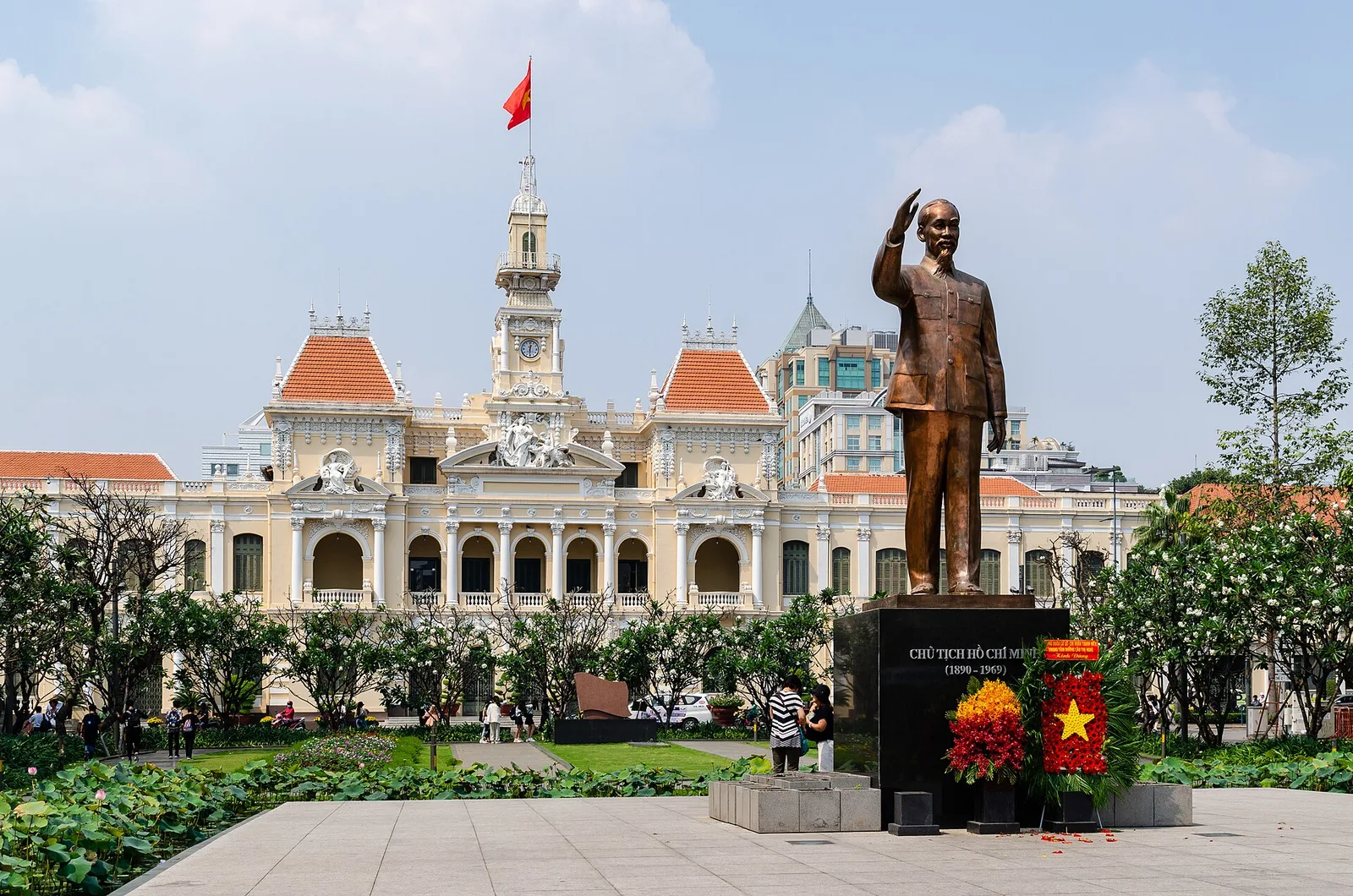
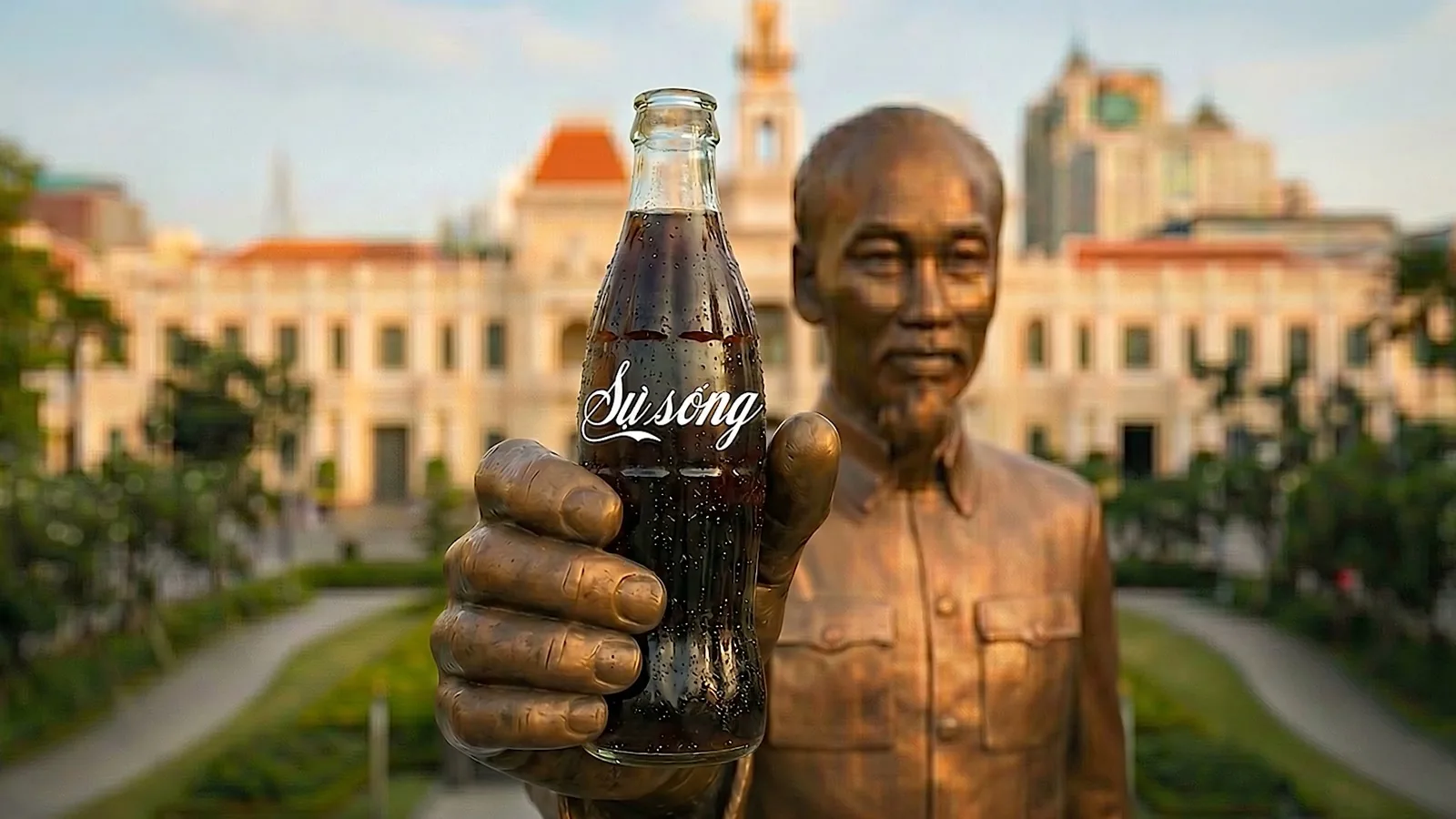
Ho Chi Minh City, 1945. The raised hand becomes the offered bottle. The hand-lettered Sự sống is on it.
Photograph by Steffen Schmitz, CC BY-SA 4.0
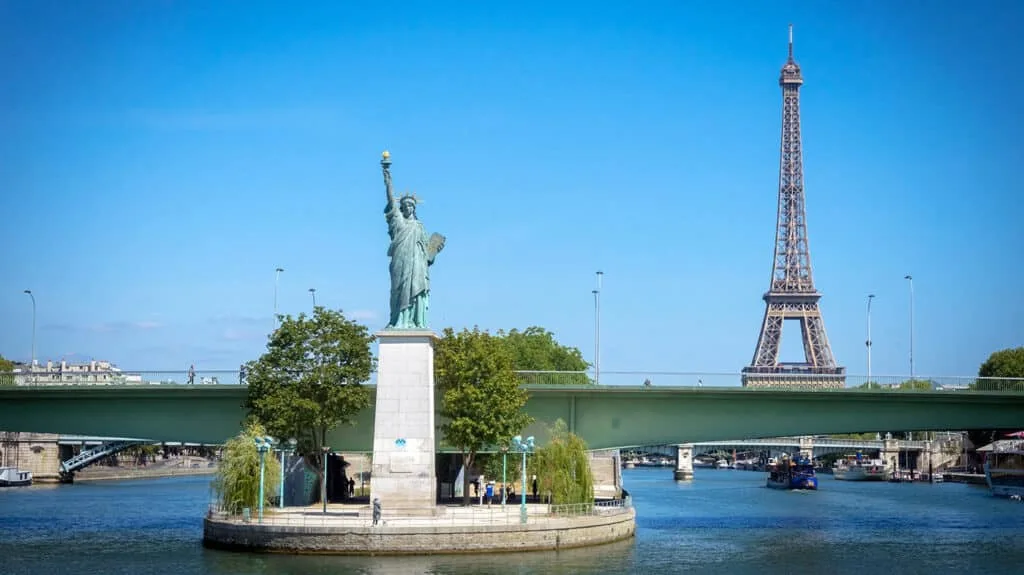
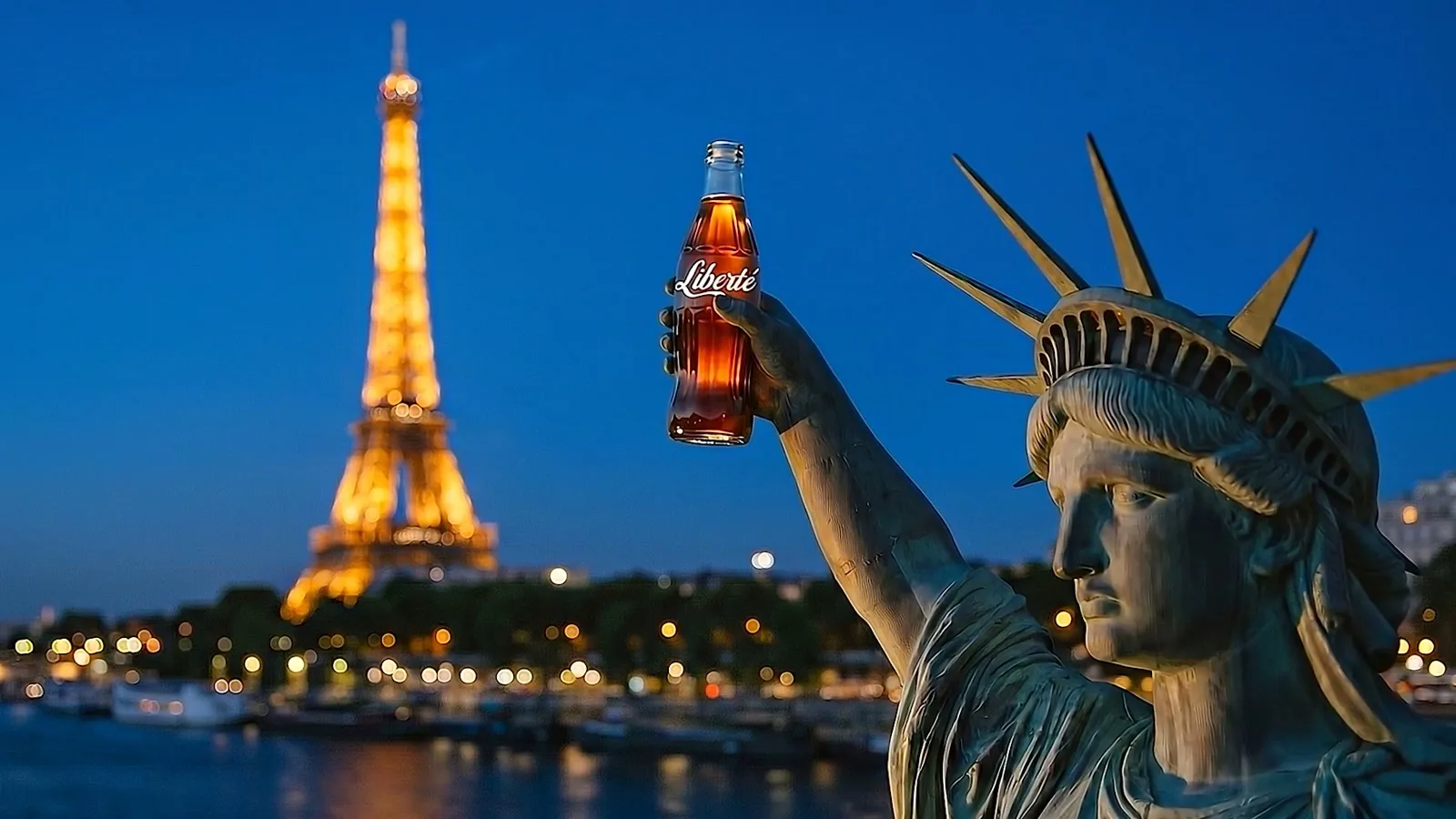
Paris, 1789. The statues run in the order each country declared, except here. Paris and New York close the film as a visual couplet and grand finale, Bartholdi's two Liberties back to back. Paris is also the one exception to the framing rule. His smaller Liberty faces west, away from the tower, so I turned her and moved the camera to put the Eiffel Tower beyond her profile. Better framing, better perspective, and the bottle is the only warm light at blue hour.
Prompt excerptThe bottle glows amber from within, the only warm light in the blue-hour frame.
Photograph via Wikimedia Commons
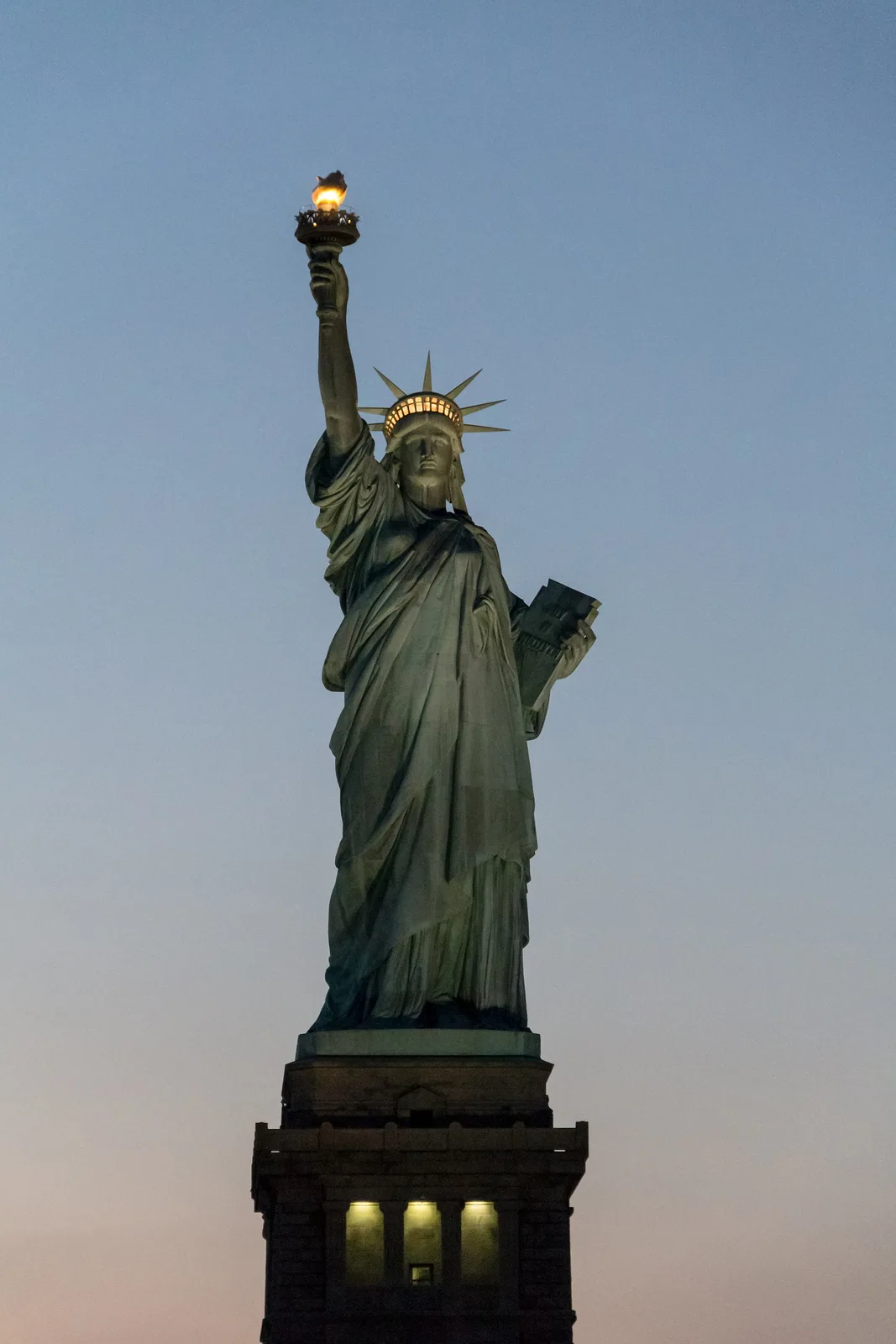
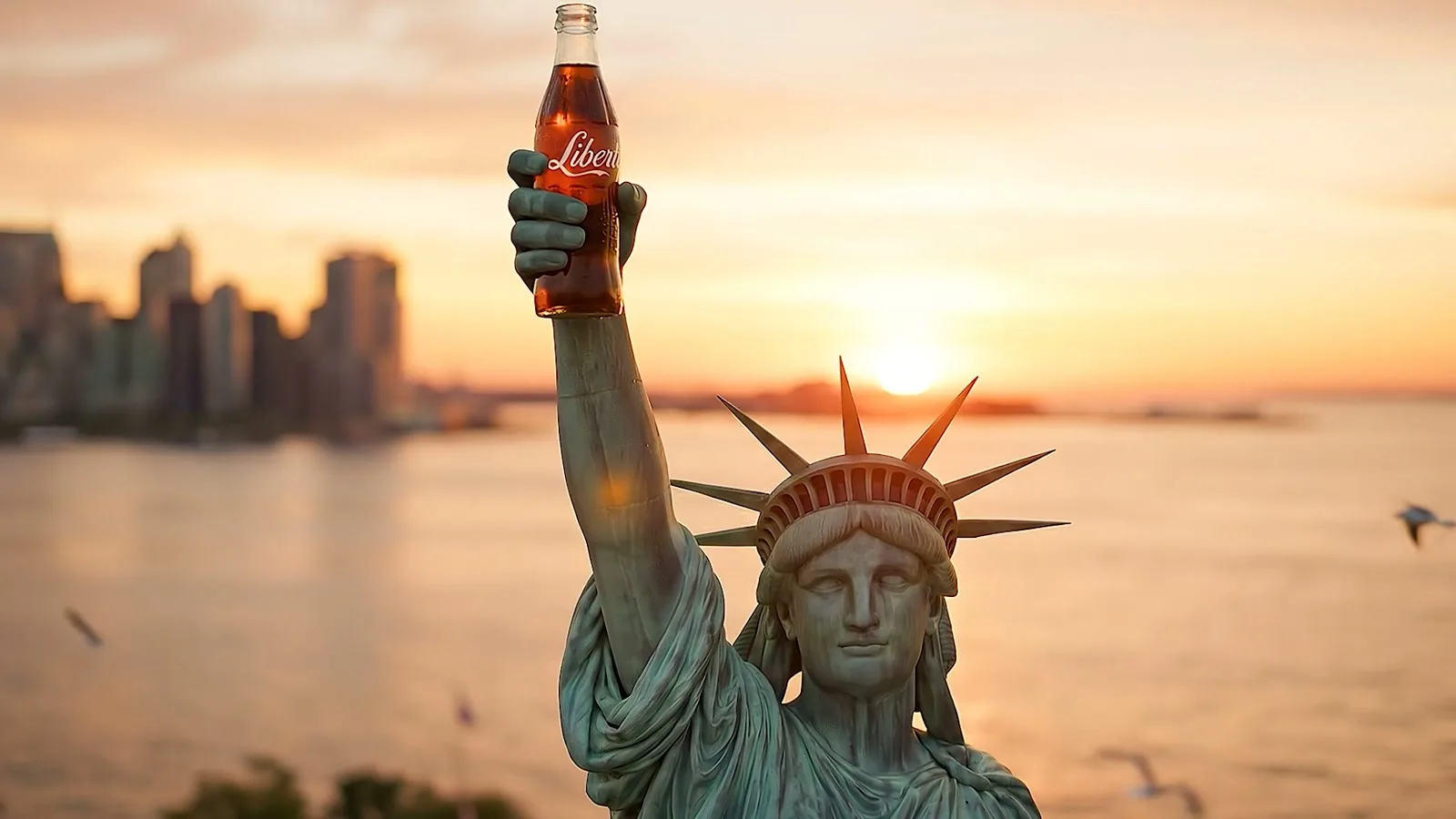
New York, 1776. The film builds up to, and closes with, the country that started it all. The torch becomes the bottle. Every scene was generated from a locked still so nothing would drift once it moved. Liberty looks down the lens as the chorus lands on the real thing.
Prompt excerptThe first frame of the generated video must be pixel-identical to the still. Nothing in it regenerates. Only the temporal arc described below should move.
Photograph by Dietmar Rabich, CC BY-SA 4.0
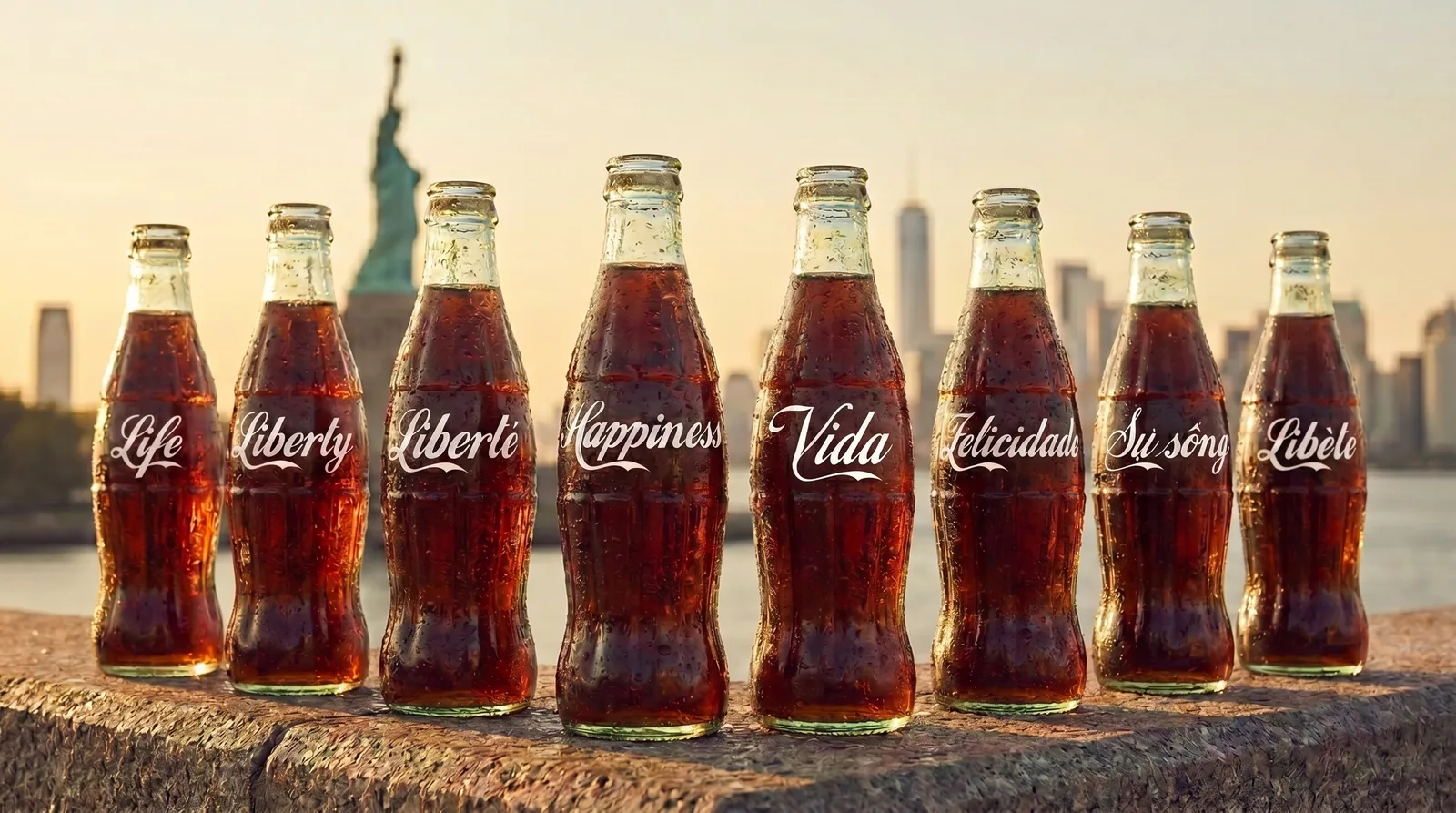
Eight bottles, eight languages. Nearly fifty generations to get this one right, with every script on every bottle intact and the liquid still reading ice cold. The ideals typeset in the Coke script are the brand. No logo needed.
Sound
The film is scored to the original 1971 Hilltop recording. No remake comes close to the original. It is why New Coke failed. The chorus resolves on the real thing under Liberty's raised bottle, and the end type answers the lyric instead of adding a line. I tried adding an instrument from each country under the song and cut it. Too much. The original chorus was enough.
Coca-Cola North America re-recorded Hilltop this year as a gospel track. To me it felt forced, like a bad remake. Keeping the original song and putting the creativity into the pictures felt more authentic to the brand, and fresher. Less of an apology.
05Where it lives
The full campaign, with all six boards, the bottles, the manifesto and the film, lives on its own page on this site. Shared in July 2026 on LinkedIn and Instagram, and shared and discussed with Ogilvy creative leadership working on Coca-Cola. Unsolicited. Not a Coca-Cola production.
06Credits
- The full campaign
- meanwhileinjupiter.com/ideas/redeclaration
- Statue of Liberty, New York, 1886, and Paris, 1889
- Frédéric Auguste Bartholdi
- Le Marron Inconnu, Port-au-Prince, 1967
- Albert Mangonès
- Bolívar column, Valencia, 1889
- Antonio Malaussena
- Cristo Redentor, Rio de Janeiro, 1931
- Paul Landowski, with Heitor da Silva Costa and Gheorghe Leonida
- Hồ Chí Minh statue, Ho Chi Minh City, 2015
- Lâm Quang Nới
- Music
- I'd Like to Buy the World a Coke, Coca-Cola, 1971 original recording
- Watch the original Hilltop, 1971
- youtube.com, Project Re:Brief upload
- Script lettering
- Drawn in Illustrator by Omar Silwany, from a Colagraph base
- Reference imagery
- Wikimedia Commons
- Written, directed and edited by
- Omar Silwany, Meanwhile In Jupiter
- Tools
- FLOW (Veo) · Adobe Photoshop · Adobe Illustrator · Adobe Premiere Pro