
Author: Omar Silwany, Meanwhile In Jupiter
Methodology Adapted From: PJ Pereira & Silverside AI's Emotion Precision Framework
Date: September 2025
This study examines demographic representation bias in AI-generated imagery by testing a single emotionally-charged word, "hysteria", across Midjourney versions. Building on Pereira & Silverside AI's framework for emotional precision in AI prompting, we conducted three parallel tests: two with full cinematic parameters (V6 and V7) and one with the isolated word (V7). Across 60 generations, AI consistently produced young, white, thin women (80-100% depending on parameters), with Victorian dress and medical settings appearing unprompted. The word "hysteria," removed from medical diagnosis in 1980, triggered complete visual packages rooted in 19th-century medical misogyny and Hollywood stereotypes. Results indicate AI training data has crystallized both etymological bias (Greek "hystera"/womb) and visual encoding (Victorian literature → Hollywood cinema) into automatic defaults. This archaeological preservation of defunct medical concepts in AI systems has significant implications for creators using these tools. The findings demonstrate that without intentional prompting, AI defaults to historical biases embedded in training data, emphasizing the critical importance of precision and conscious direction in AI-assisted creative work.
Keywords: AI bias, image generation, representation, Midjourney, emotion prompting, visual culture, gender studies
When PJ Pereira and Silverside AI demonstrated that precise emotion words create more nuanced performances in AI-generated imagery, they revealed the power of linguistic specificity in prompting. Their work showed how "melancholic" generates different visual results than "sad," establishing a framework for emotional precision in AI creative tools.
This study extends their methodology to examine what happens when we strip away all parameters except the emotion word itself. We selected "hysteria" for its unique position as both a historically gendered medical diagnosis and a word carrying 2,500 years of cultural weight: from Greek "hystera" (womb) to Victorian medical theater to Hollywood's visual language.
Following PJ Pereira and Silverside AI's framework for testing emotional precision in AI imagery, we conducted three parallel tests to examine how AI interprets and represents a single emotion word across different parameters.
Word Selection: "Hysteria" was chosen for its rich etymological history and cultural weight. As a word that literally means "of the womb" (Greek: hystera) and was used as a gendered medical diagnosis for centuries, it serves as an ideal probe for uncovering encoded biases in AI training data.
Selection Methodology Evolution:
Experimental Evolution: When Hollywood tropes emerged despite professional cinematic parameters in Tests 1 & 2, we designed Test 3 to isolate whether these codes were triggered by filmmaking language or embedded in the word itself. The appearance of even stronger Victorian and Hollywood aesthetics without any prompting confirmed the latter.
Note on emotion selection: We used "intense hysteria" in Tests 1 and 2 to follow PJ's methodology of pushing for maximum emotional performance. The modifier "intense" ensures the AI generates the most pronounced interpretation of the emotion, making any demographic patterns more visible and documentable.
Note on cinematic prompt: We initially included "cinematic lighting, dramatic mood" to establish production quality standards following PJ's approach. However, when Hollywood tropes emerged even with these professional parameters, we designed Test 3 to isolate the word "hysteria" alone. Remarkably, Hollywood and Victorian tropes appeared even more saliently without any cinematic prompting, suggesting these cultural codes are embedded in the word itself, not introduced by filmmaking language.
Note on style parameter: We used "--style raw" to remove Midjourney's default aesthetic enhancements and beautification filters. This gives more direct access to the model's core interpretation of "hysteria" without the platform's stylistic overlays that might mask or alter demographic patterns.
Note on Midjourney's generation process: Midjourney generates images in grids of 4. For Tests 1 and 2, we selected the strongest emotional performance from each grid. For Test 3, we documented all images to remove human selection bias.
intense hysteria, close up portrait, cinematic lighting, dramatic mood --ar 16:9 --style raw --v 6intense hysteria, close up portrait, cinematic lighting, dramatic mood --ar 16:9 --style raw --v 7hysteriaMethodological Note: All tests were conducted using an unpersonalized Midjourney account without profile customization or project moodboards. This ensures results reflect Midjourney's base training defaults rather than personalized algorithmic adjustments. The patterns documented represent the core cultural encodings in the training data, not user-specific adaptations.
Note: See Appendix below for complete image-by-image documentation across all three test conditions.

Figure 1: Victorian dress, wallpaper, and room appeared from the single word "hysteria" with no historical prompting (Test 3, Image #6)
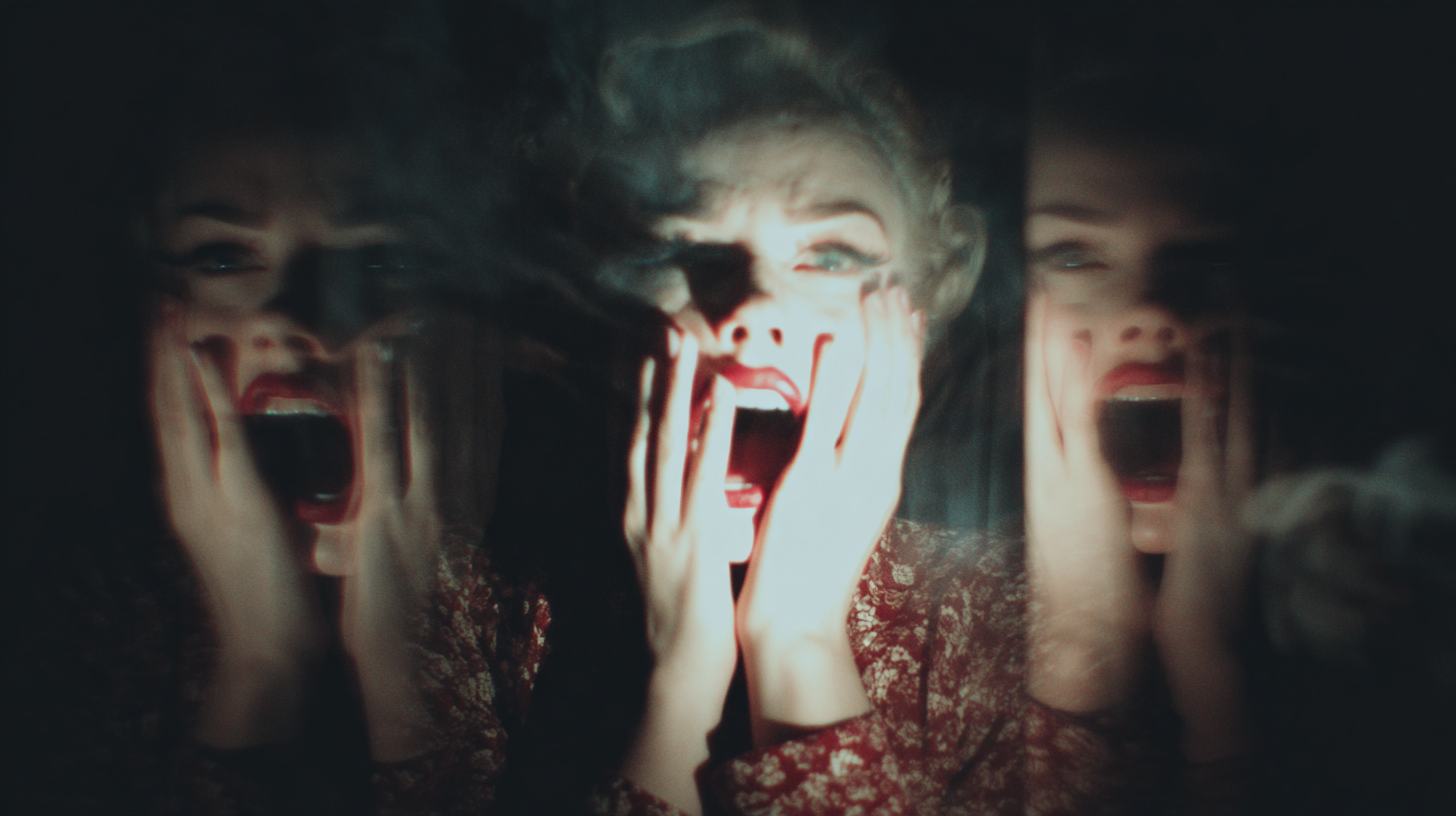
Figure 2: Marilyn Monroe aesthetic emerged unprompted, showing Hollywood's encoding of "troubled femininity" (Test 3, Image #12)
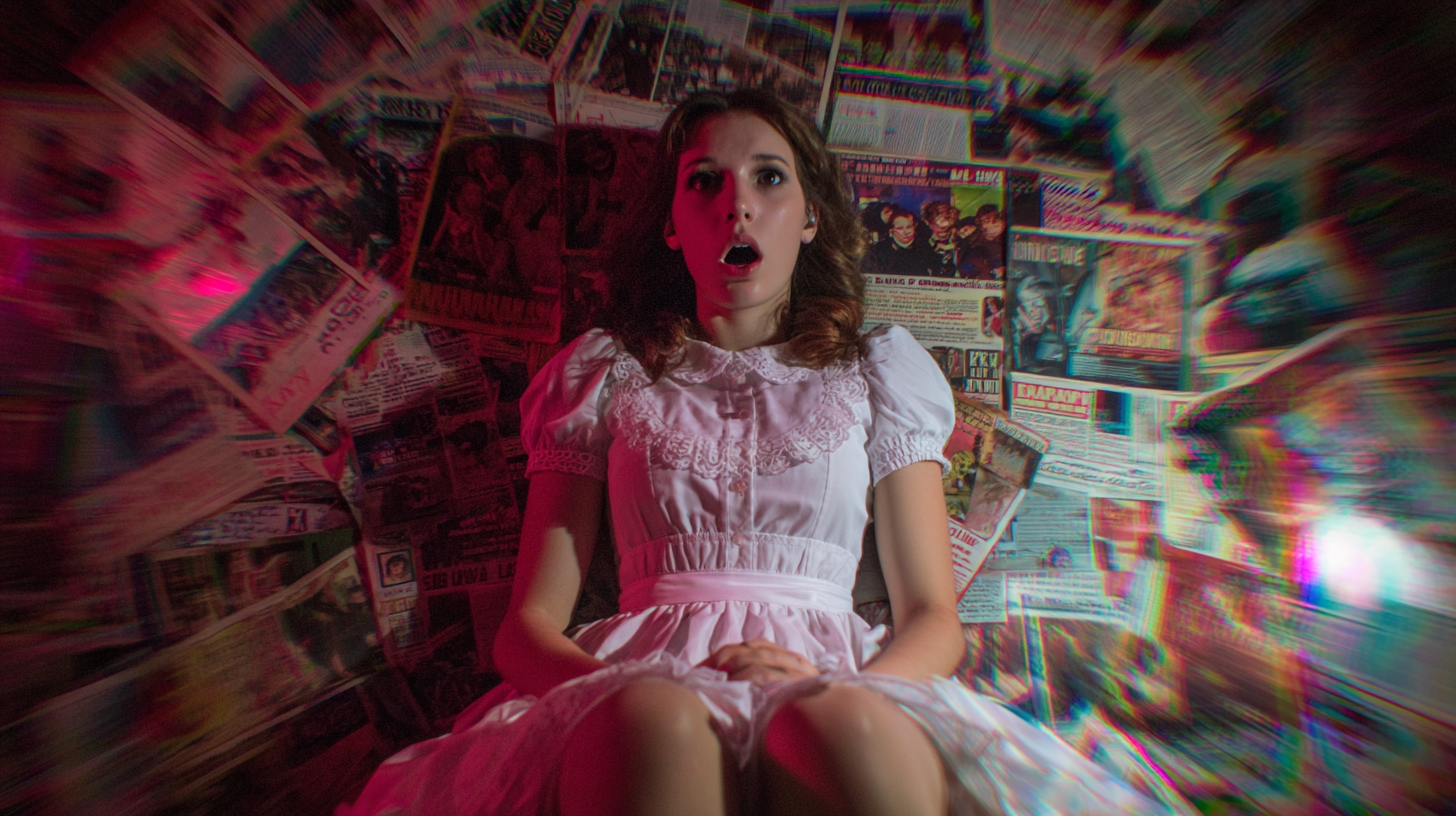
Figure 3: Synthesis image – Victorian dress surrounded by modern tabloid magazines, merging medical and media hysteria (Test 3, Image #19)

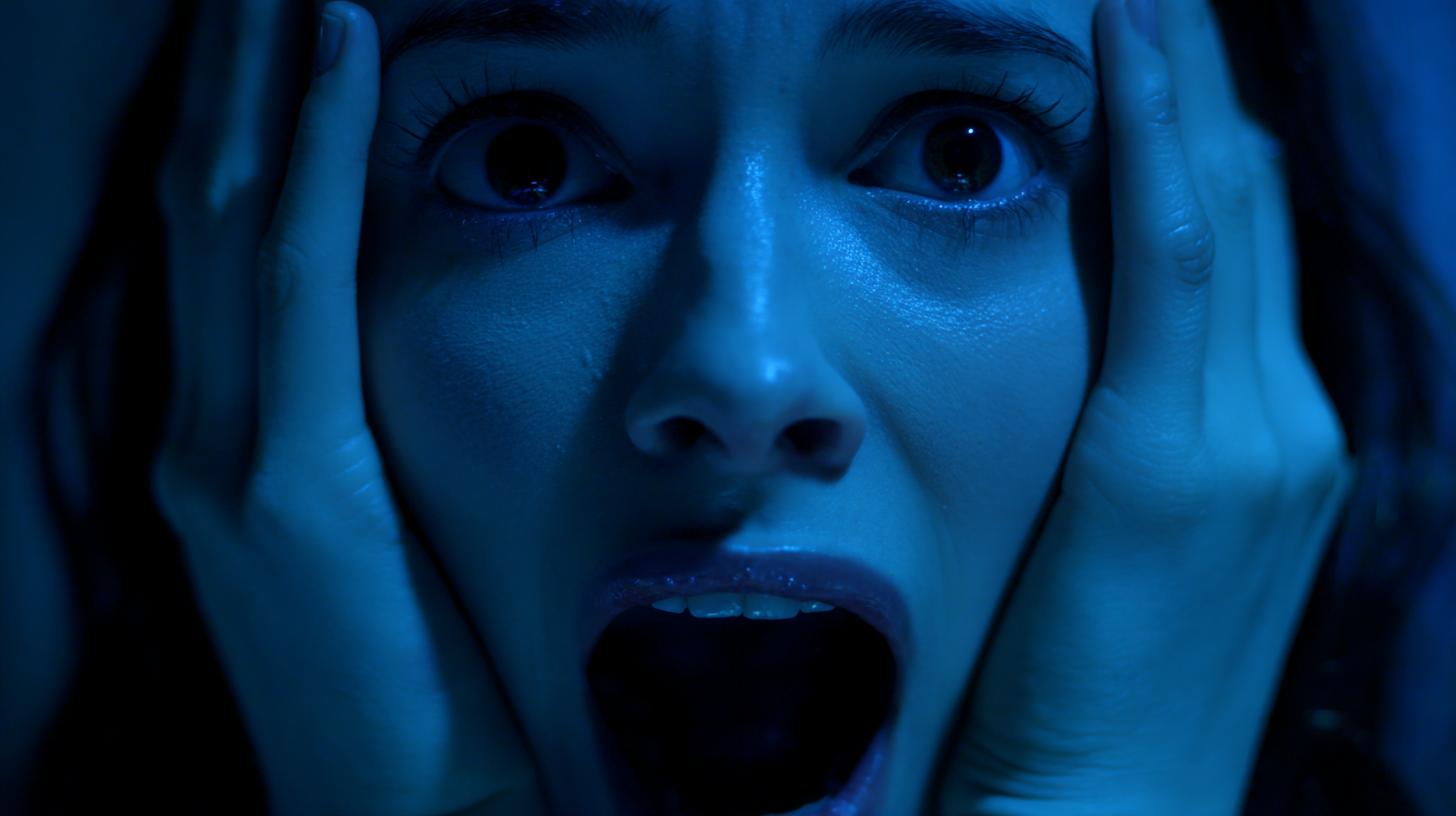
Figure 4: The universal scream – hands to temples gesture that appeared across all test conditions (Test 3, Image #20)
Word Origin: From Greek "hystera" meaning "uterus"
Medical History:
Cultural Evolution & Visual Encoding: The cultural archaeology of "hysteria" is twofold:
Training Data Reality: Midjourney appears to have been trained heavily on Hollywood's visual language, absorbing decades of cinematic clichés. These tropes are so deeply embedded that the word alone triggers complete mise-en-scène: costume, lighting, setting, and casting.
Selective Interpretation: Notably, the AI never visualized other valid meanings of "hysteria" such as mass hysteria (crowd behavior), sports fan hysteria (celebration), or hysterical laughter (comedy). This selective interpretation reveals how thoroughly the gendered medical meaning dominates the training data, overriding all contemporary uses of the word.
This reveals why precision in prompting (as PJ Pereira and Silverside AI demonstrated) is crucial. Without intentional direction, AI defaults to Hollywood's most worn paths. Creators must "keep their hands on the wheel" to steer away from visual clichés toward authentic representation.
The findings have significant implications for:
Animation Platform: Midjourney's native video generation
Settings Used: Auto + Low Motion, Auto + High Motion, Loop + Low Motion (depending on image content)
Video Assembly: Adobe Premiere 2025
Audio: "Polymetric Juggling" by DivKid
This experiment can be replicated across multiple platforms to test for consistency of bias:
Google Ecosystem:
Independent Platforms:
Each platform's training data may reveal different cultural encodings of the same word, making cross-platform testing valuable for understanding the scope of embedded bias.
This study builds directly on the methodological framework developed by PJ Pereira and Silverside AI for testing emotional precision in AI image generation. Their pioneering work on linguistic nuance in prompting made this representation analysis possible. We are grateful for their contributions to understanding how language shapes AI-generated imagery.
For AI filmmakers and creators: This experiment demonstrates why PJ's precision in prompting is essential. Every word carries both etymological and visual history. Without conscious direction, AI defaults to Hollywood's most worn paths. The solution isn't to avoid loaded words but to prompt with intentionality, steering toward authentic rather than archetypal representation.
Keep your hands on the wheel. 🤘🏽
Pereira, P. & Silverside AI. (2025). Emotion Precision in AI Image Generation. https://www.linkedin.com/posts/pjpereira_ai-acting-storytelling-activity-7375918690262892544-6rMH?utm_source=share&utm_medium=member_desktop&rcm=ACoAAACBHZcBNUM64Oyxygjg_rdTHtQJF4bVJXY
American Psychiatric Association. (1980). Diagnostic and Statistical Manual of Mental Disorders (3rd ed.).
Clinical Practice & Epidemiology in Mental Health (PMC): "The concept of hysterical neurosis is deleted with the 1980 DSM‑III," with context on the reclassification under dissociative presentations.
Meanwhile In Jupiter. (2025). HYSTERIA.I. https://vimeo.com/1121662292?share=copy#t=0. Available at: https://www.linkedin.com/feed/update/urn:li:activity:7376725540021637121
Meanwhile In Jupiter brings big-agency craft to the intersection of creativity and AI technology. Born from two decades on Madison Avenue and based in coastal Florida, we help ambitious brands navigate the new creative landscape through campaigns, actions, and films.
The HYSTERIA.I. study exemplifies our approach: understanding how language actually works in AI tools so creators can maintain intentional control. By revealing the hidden mechanics connecting words to visual output, we enable more precise creative direction in the AI era.
We don't just identify patterns — we map the territory. When creators understand these linguistic mechanics, they can keep their hands on the wheel.
Contact: Omar Silwany
Company: Meanwhile In Jupiter
Date: September 2025
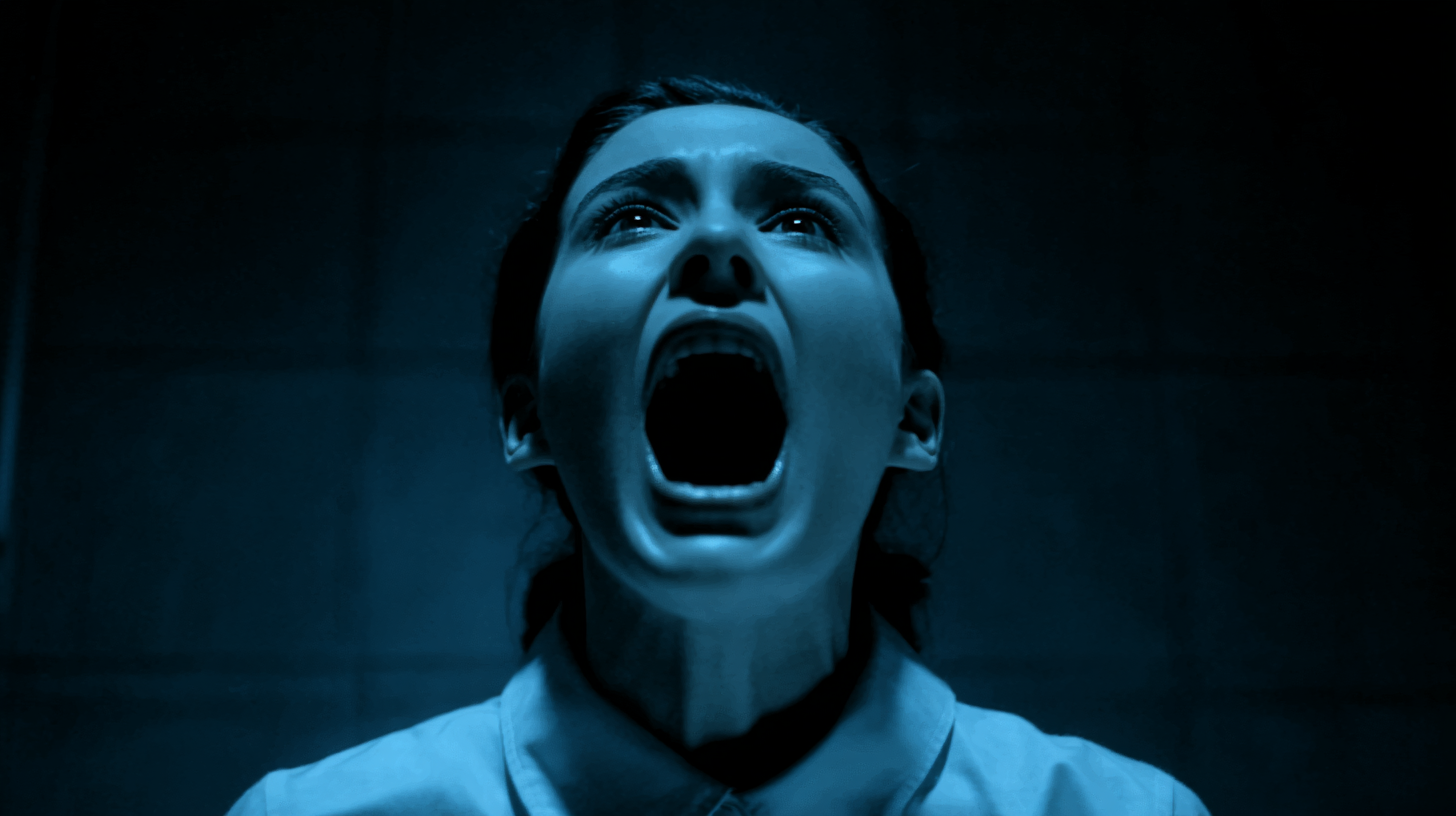
Prompt: intense hysteria, close up portrait, cinematic lighting, dramatic mood --ar 16:9 --style raw --v 6
Selection Method: Human curation - strongest emotional performance per grid

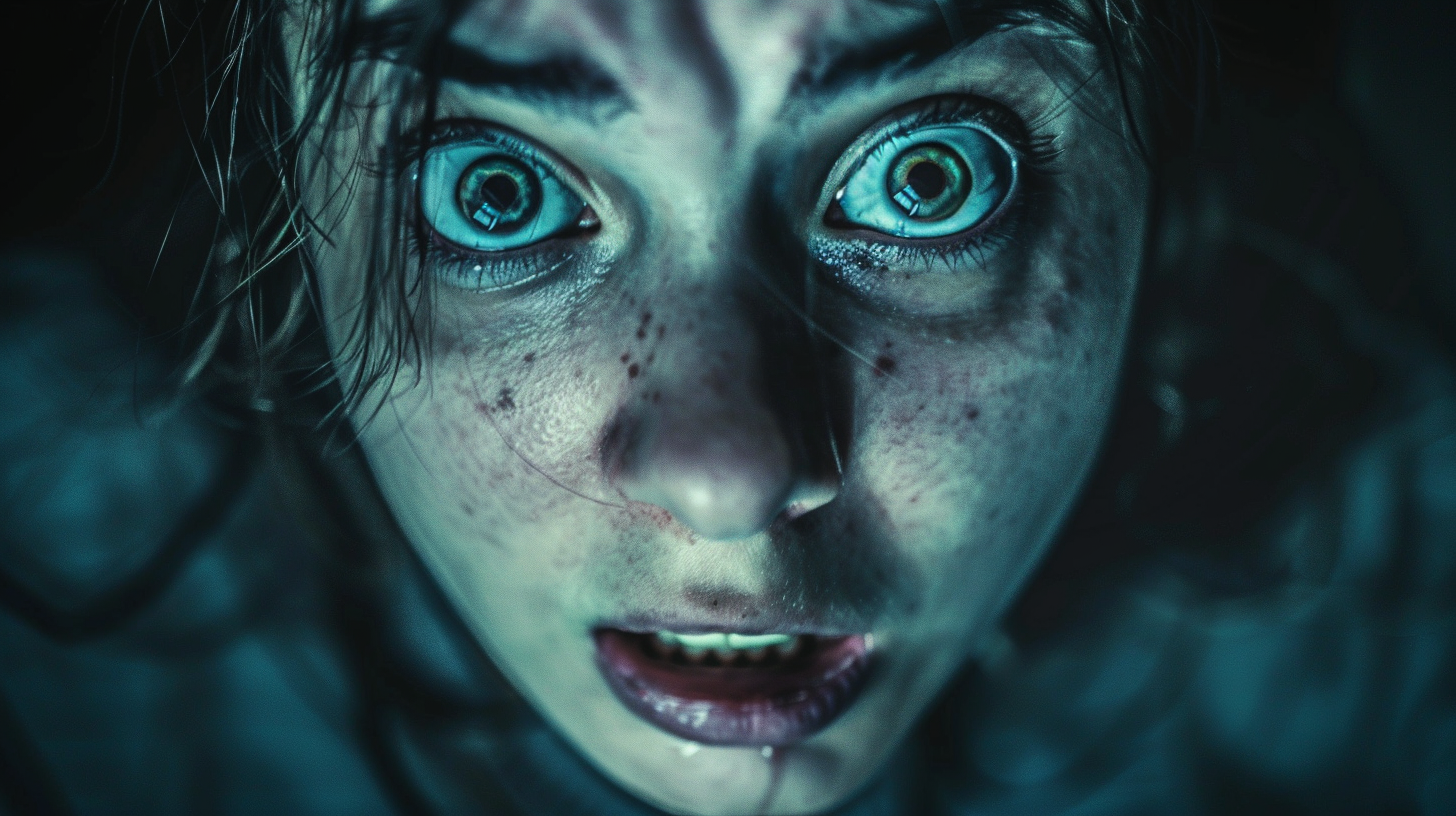

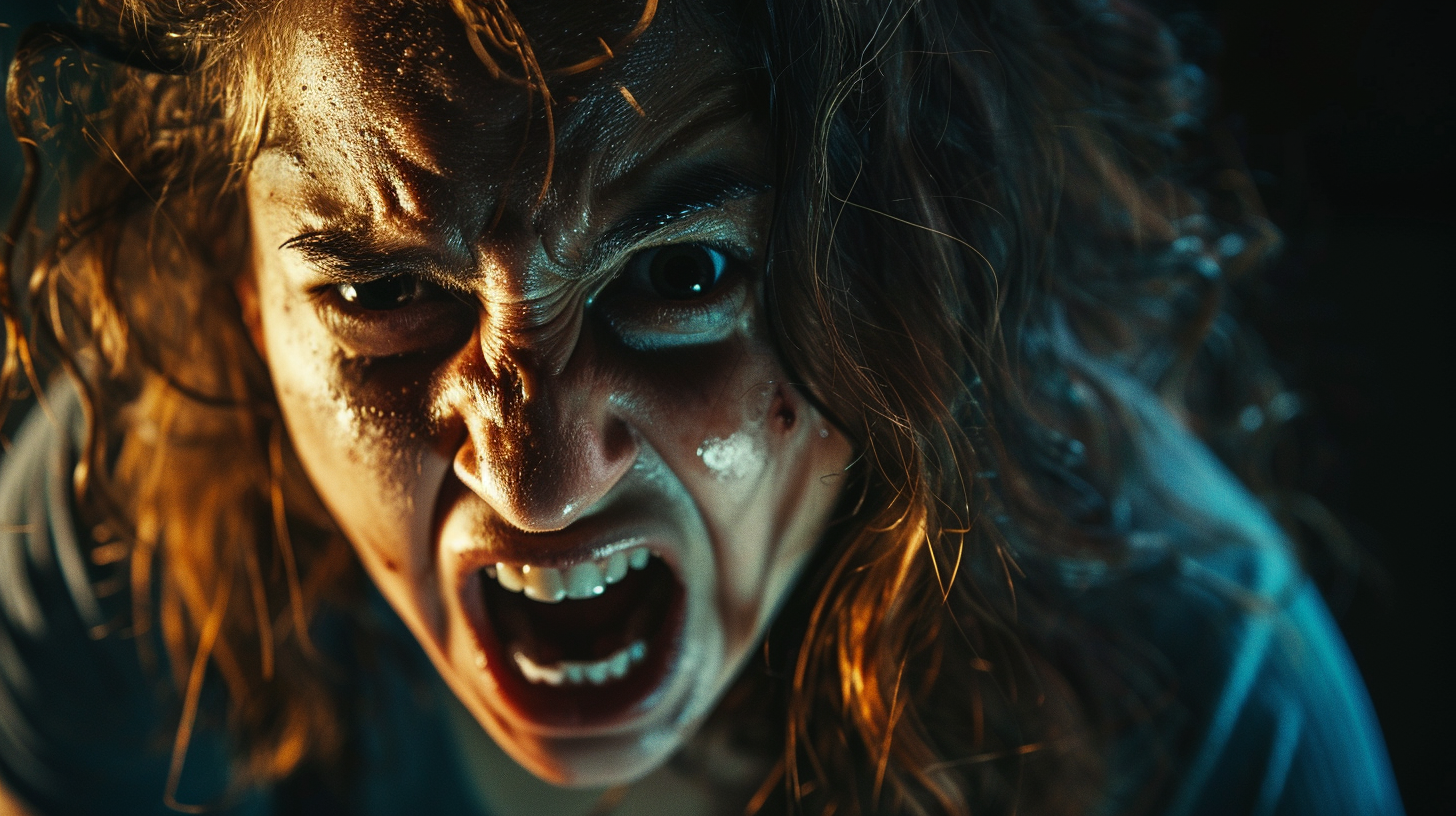
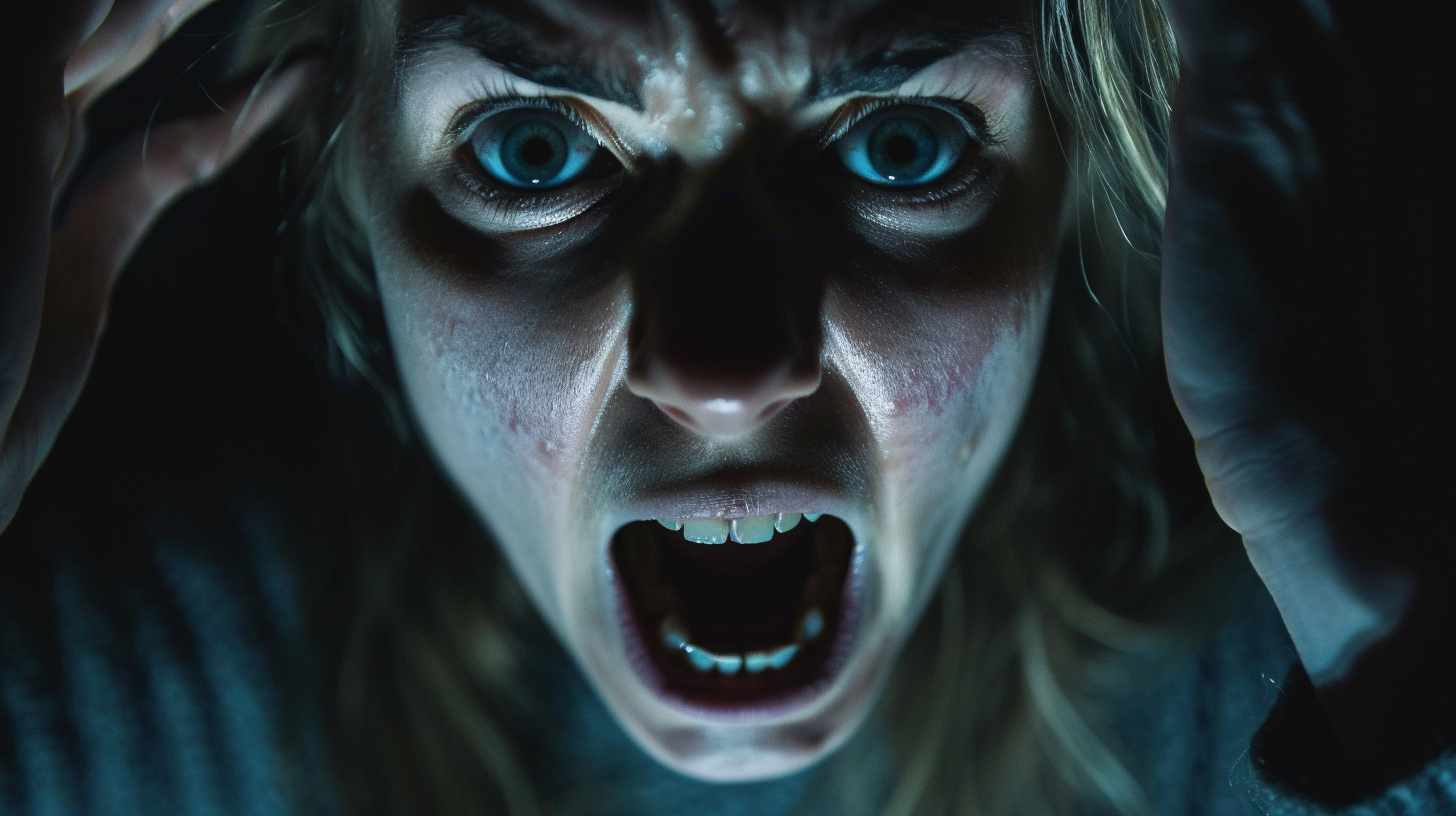
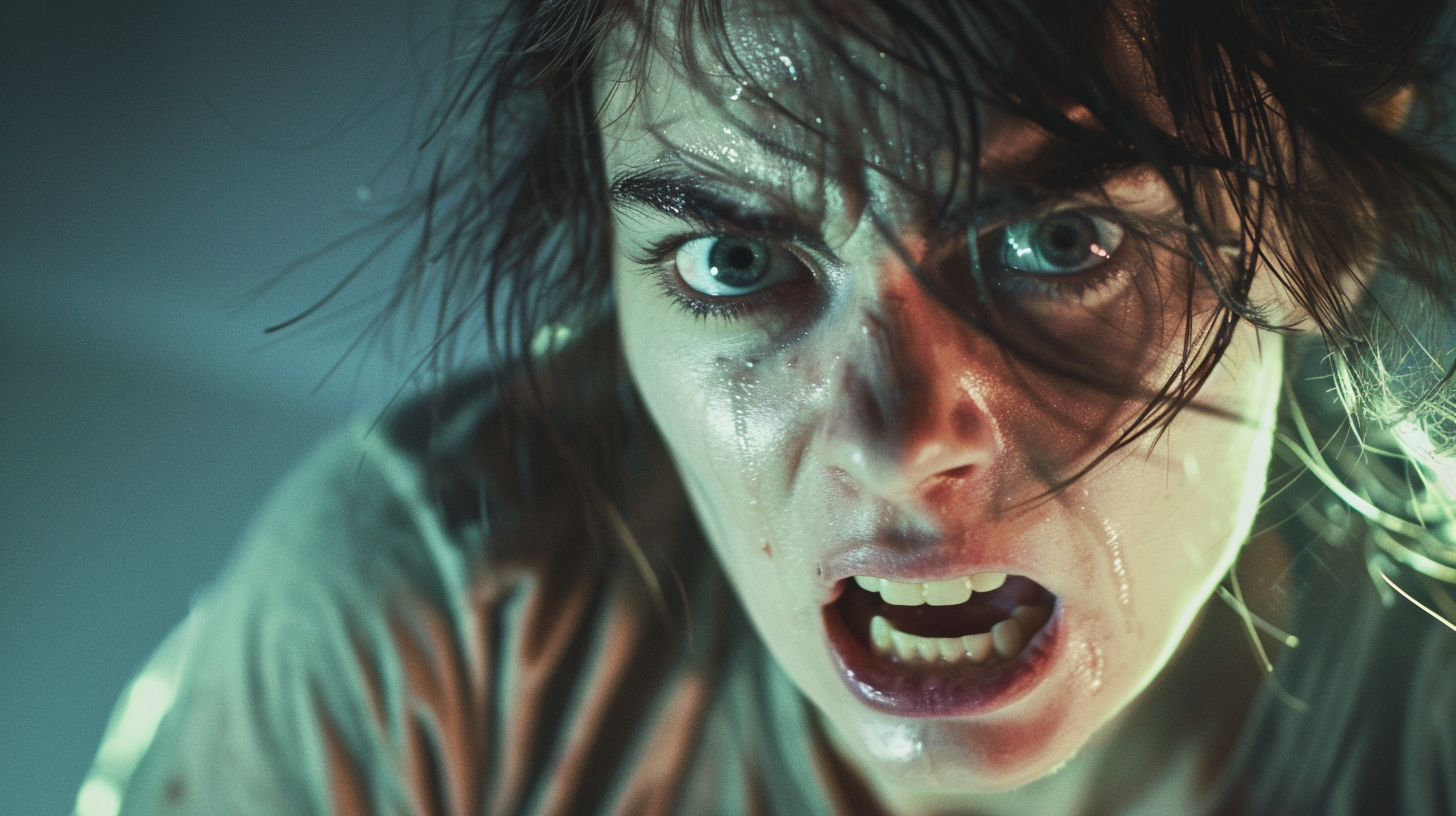
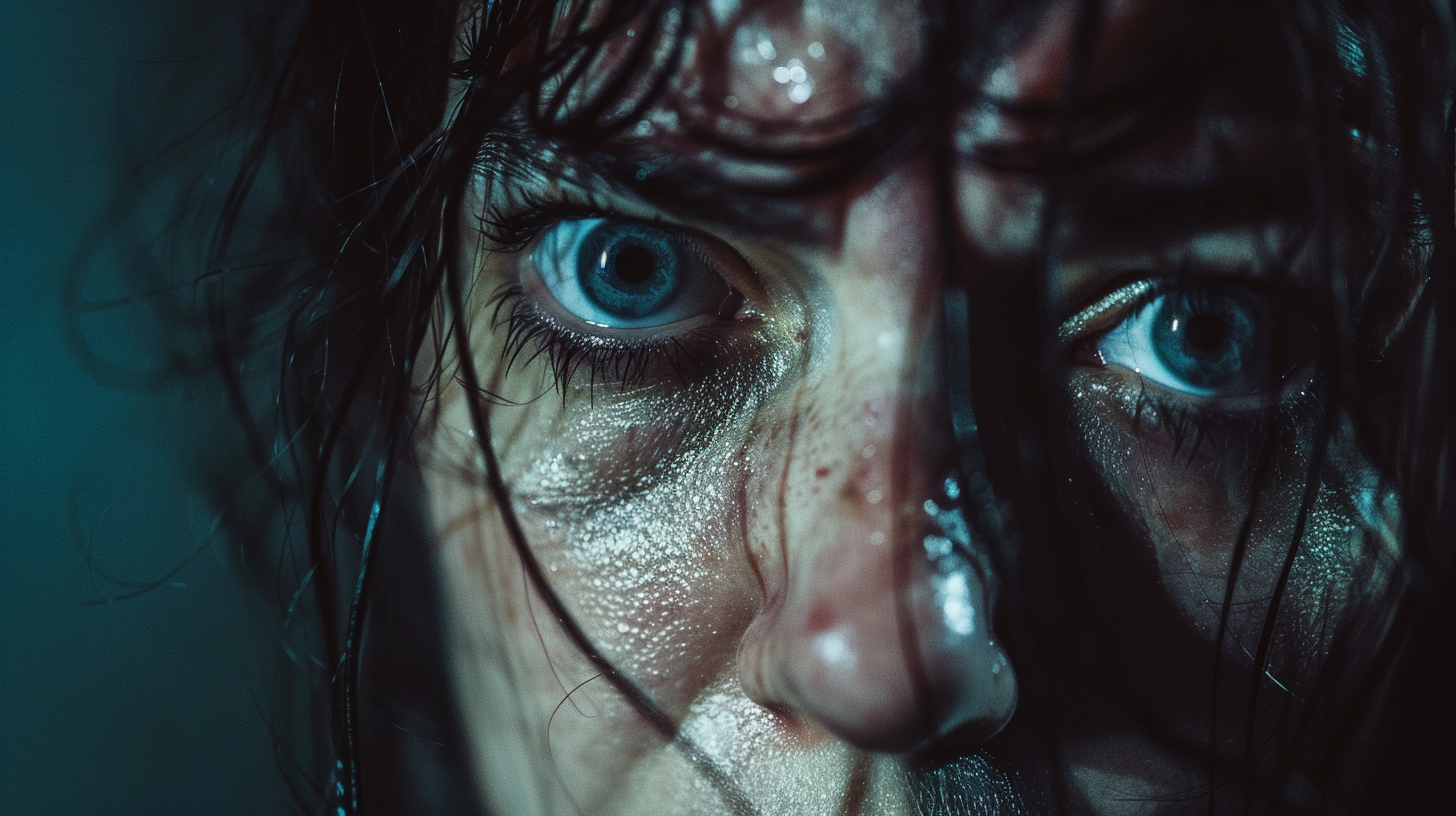
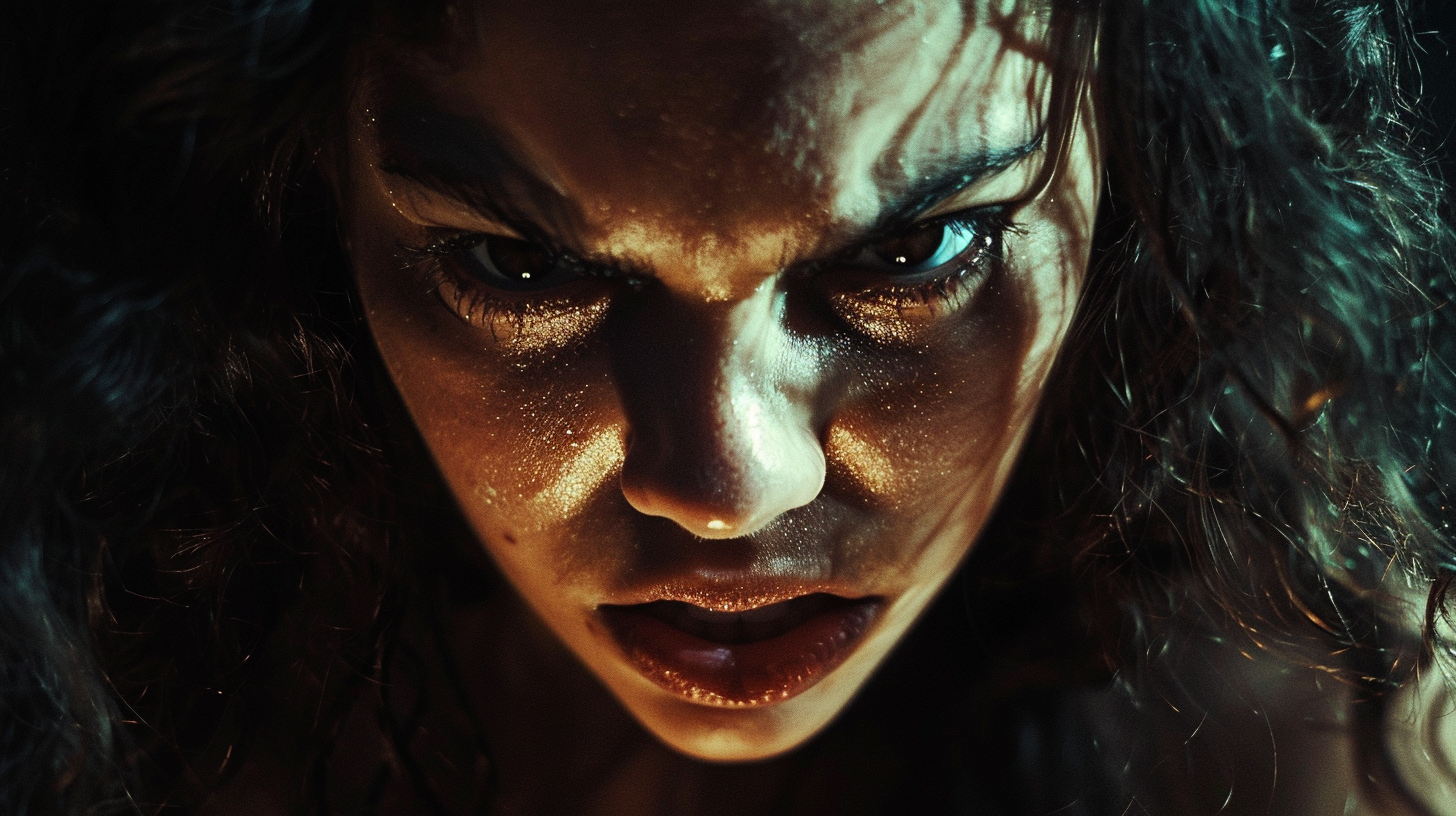
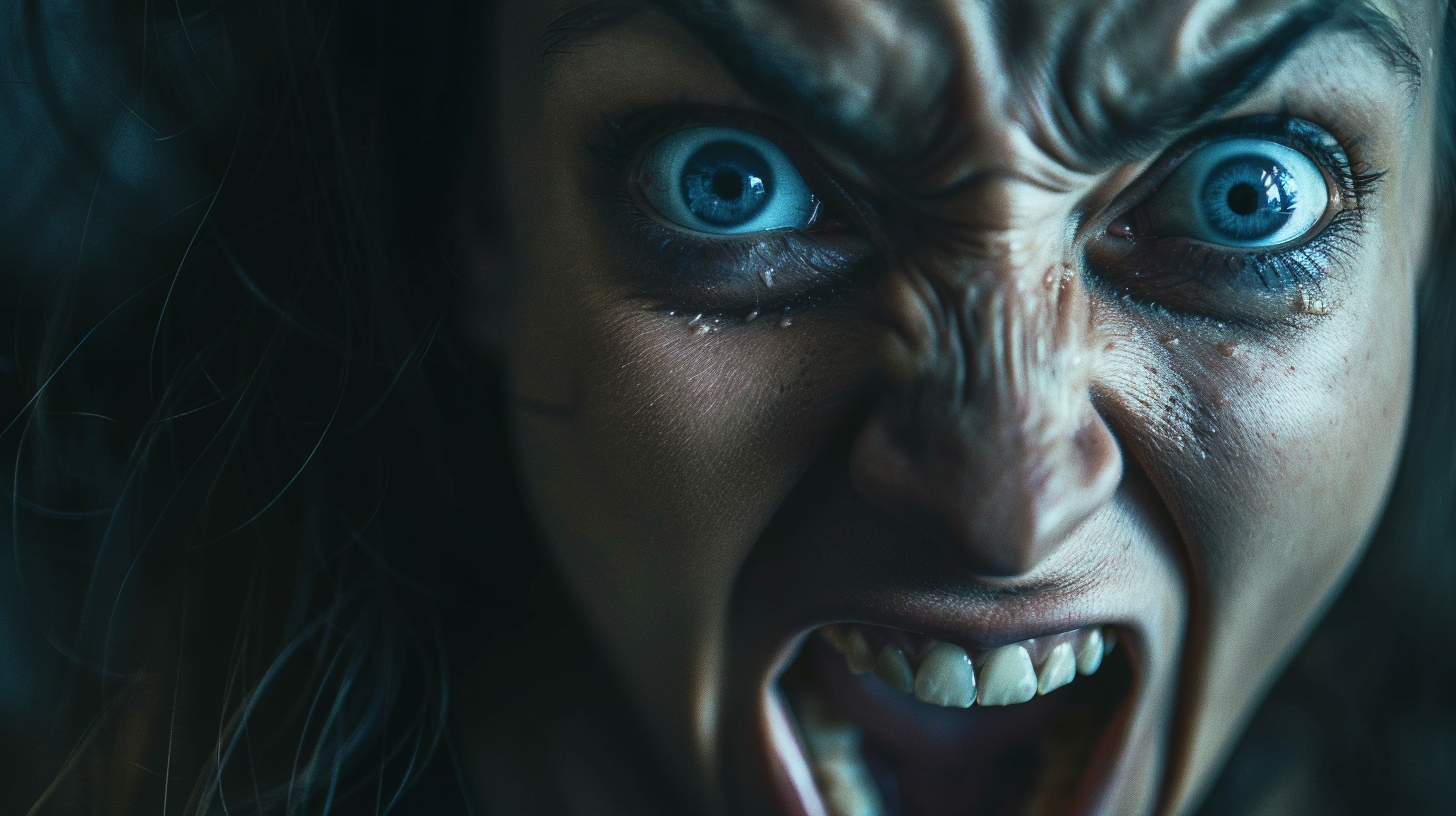


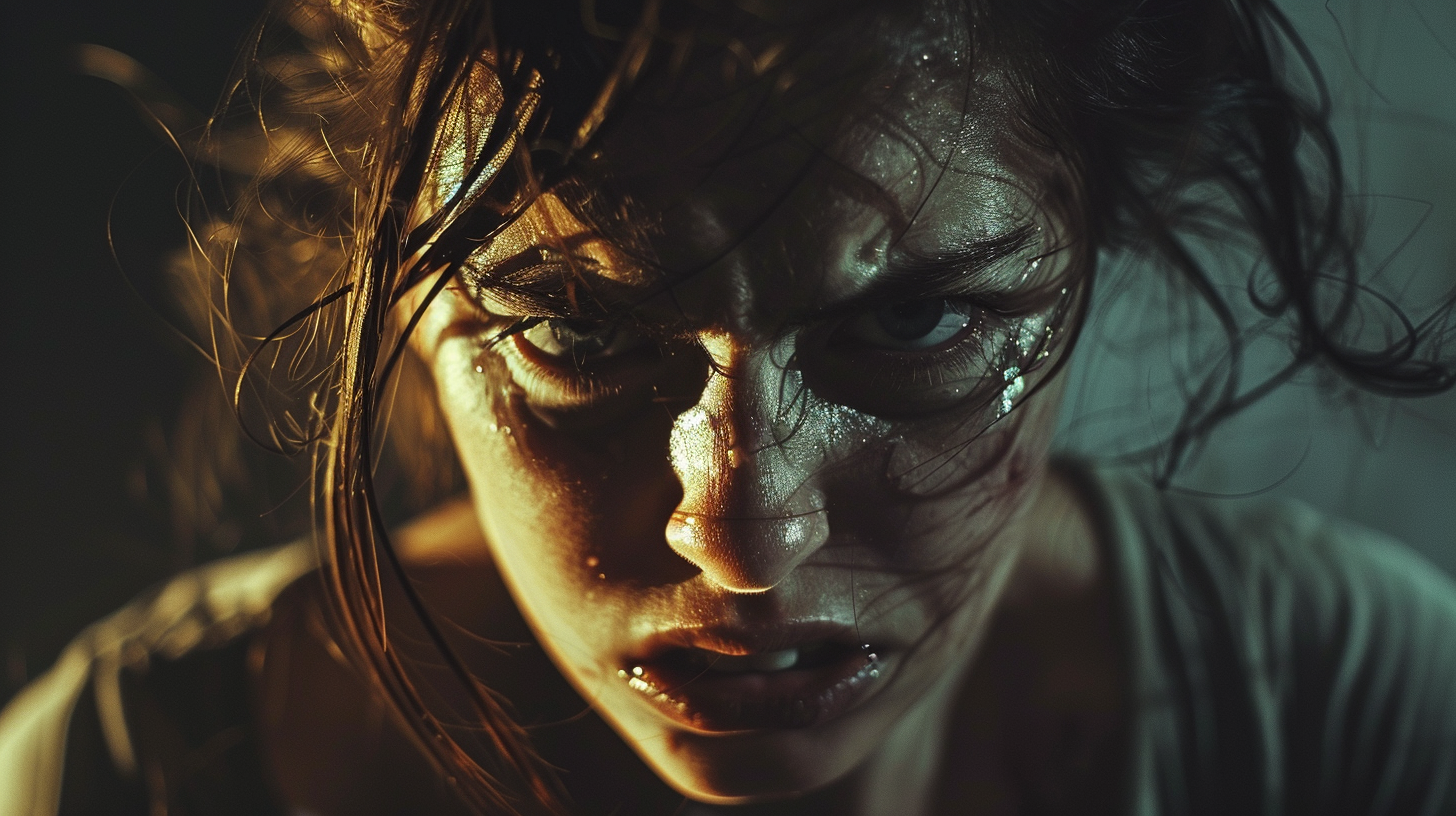

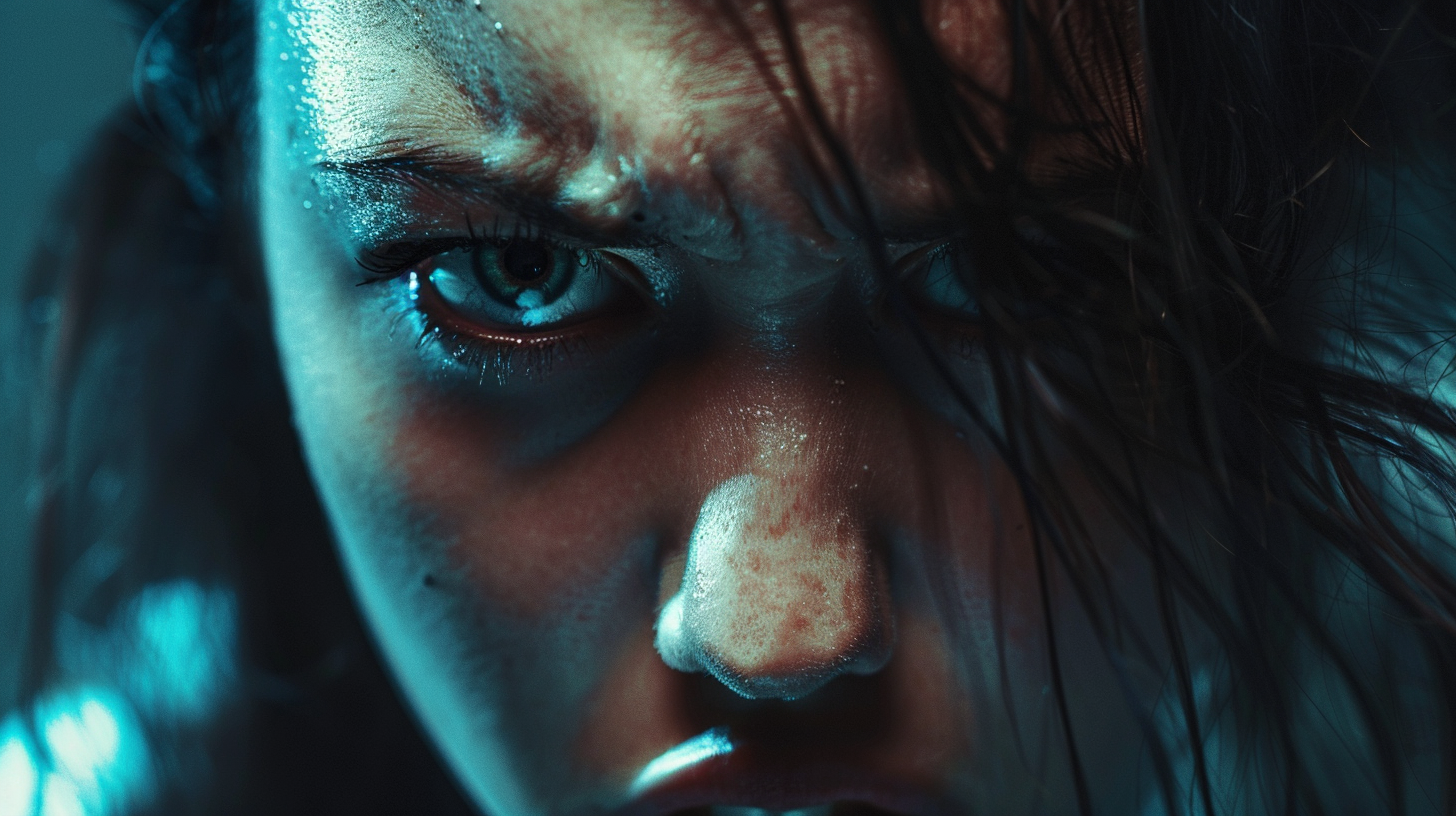

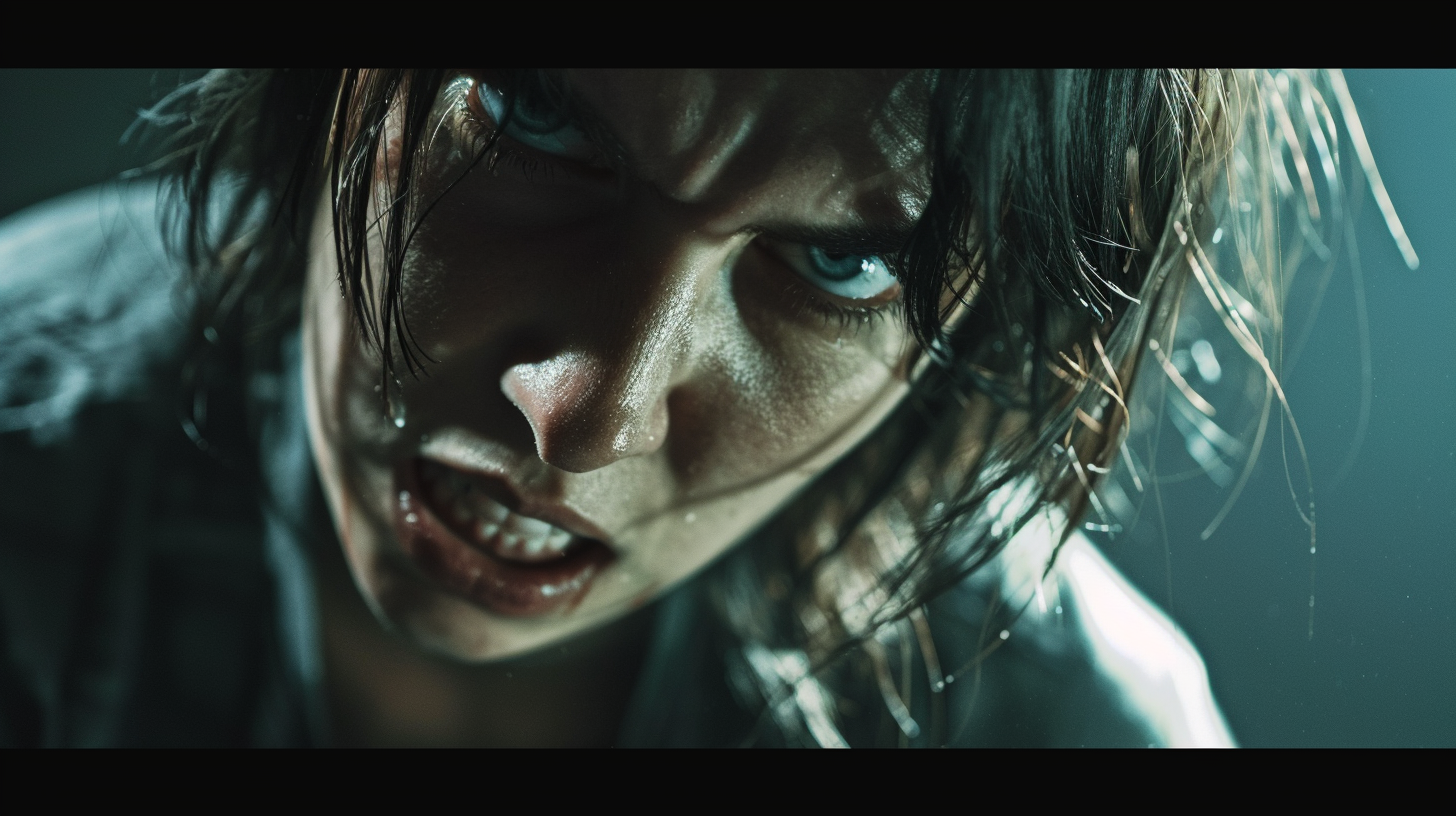
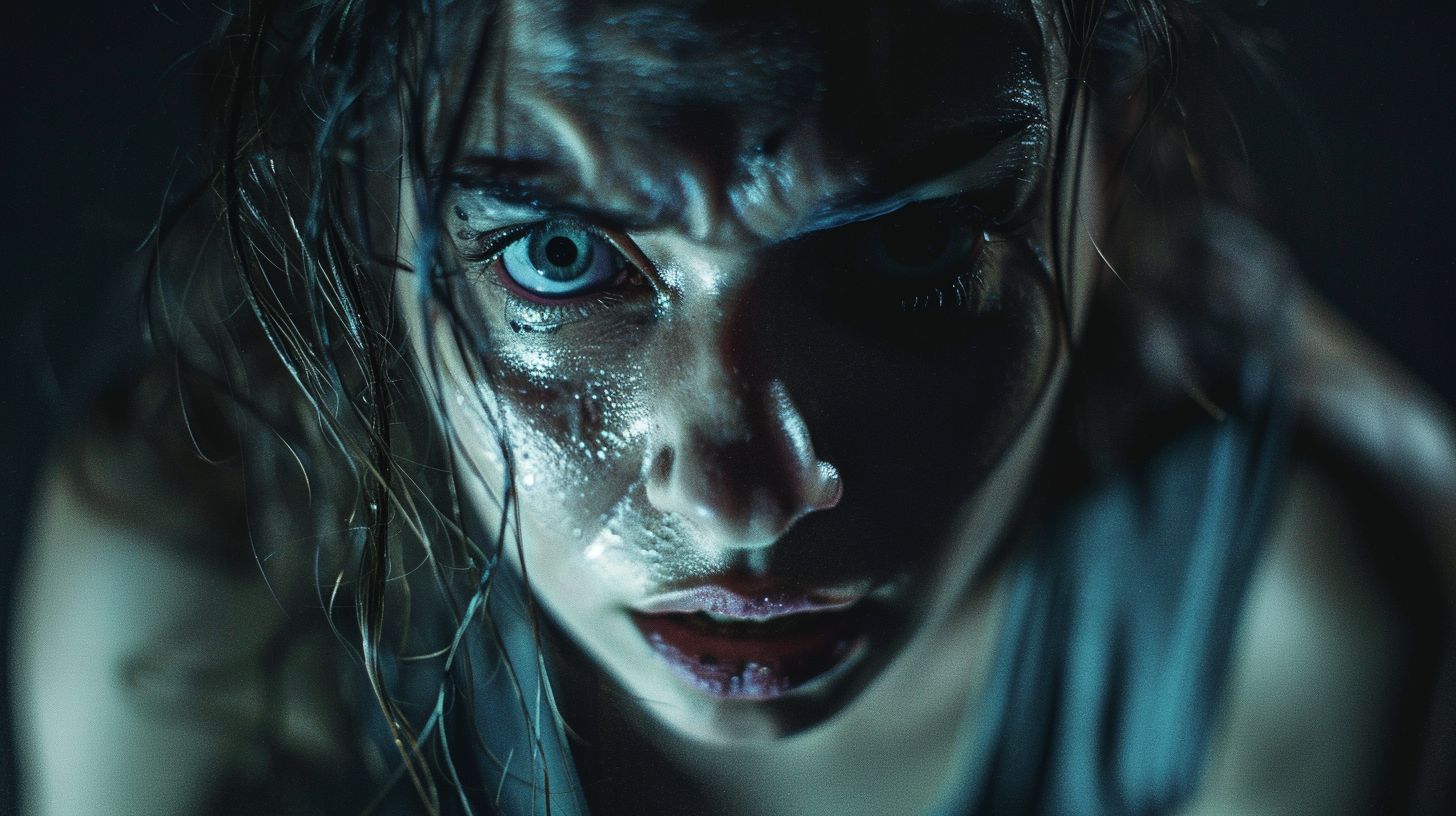
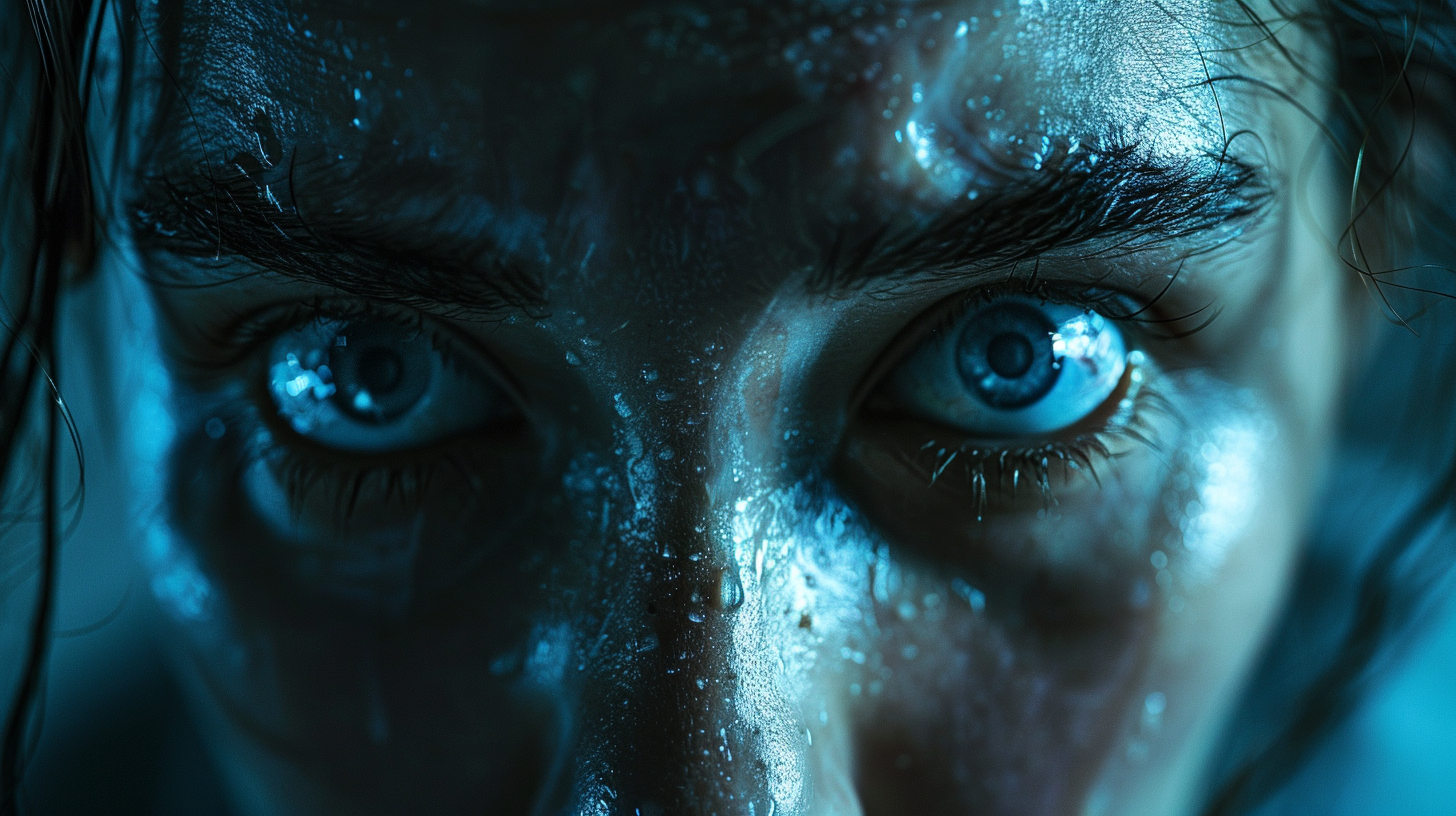
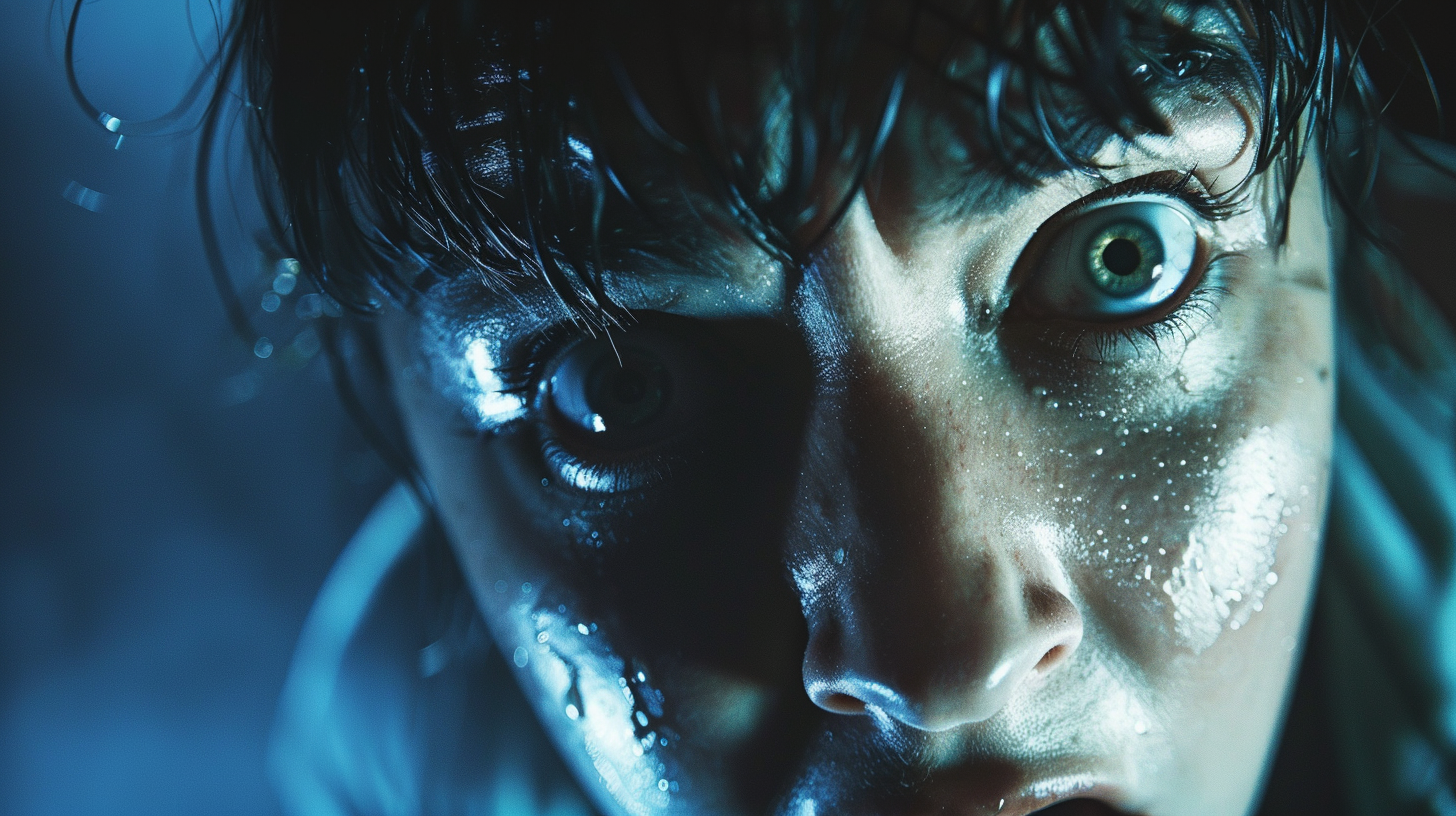
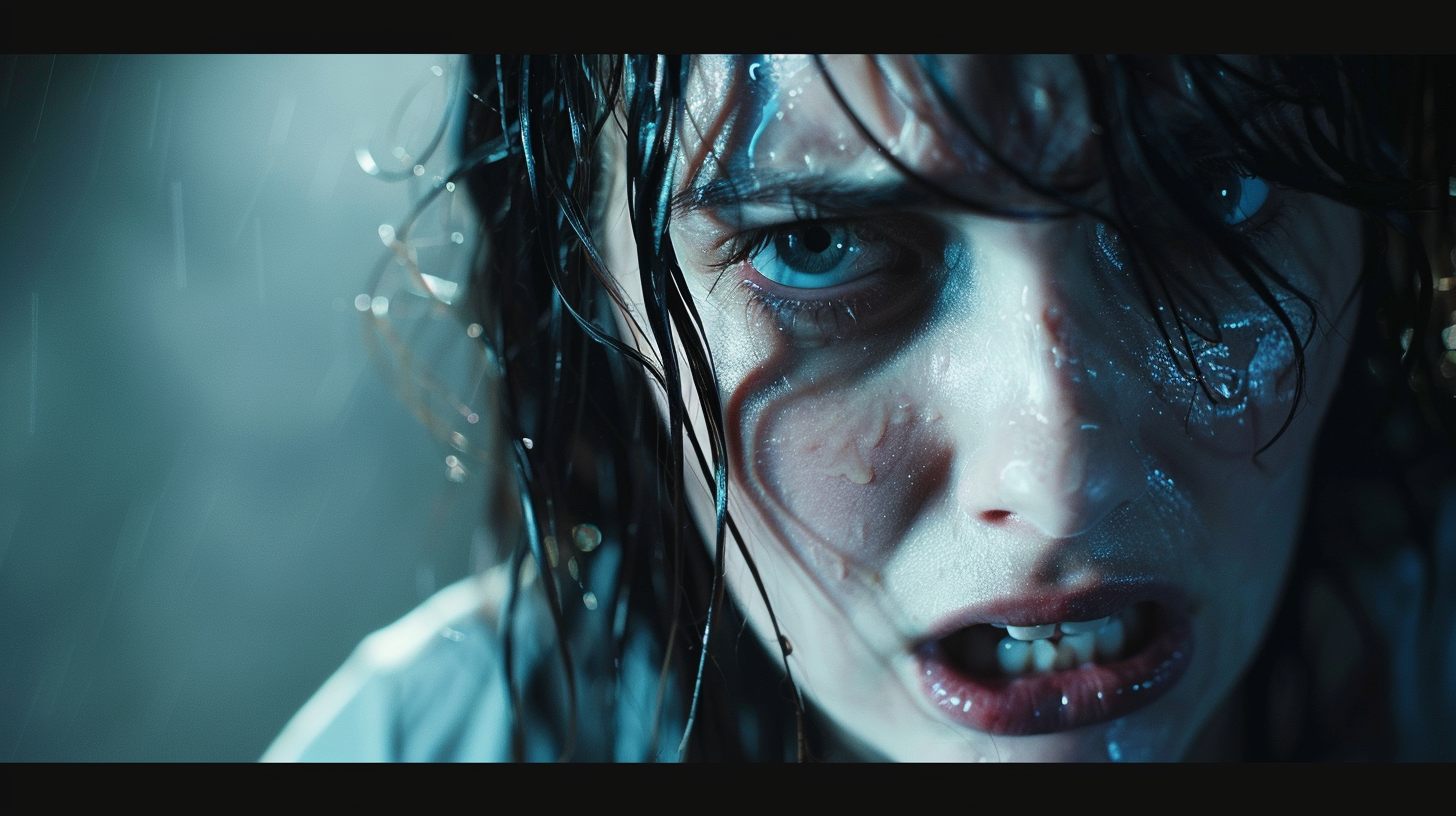
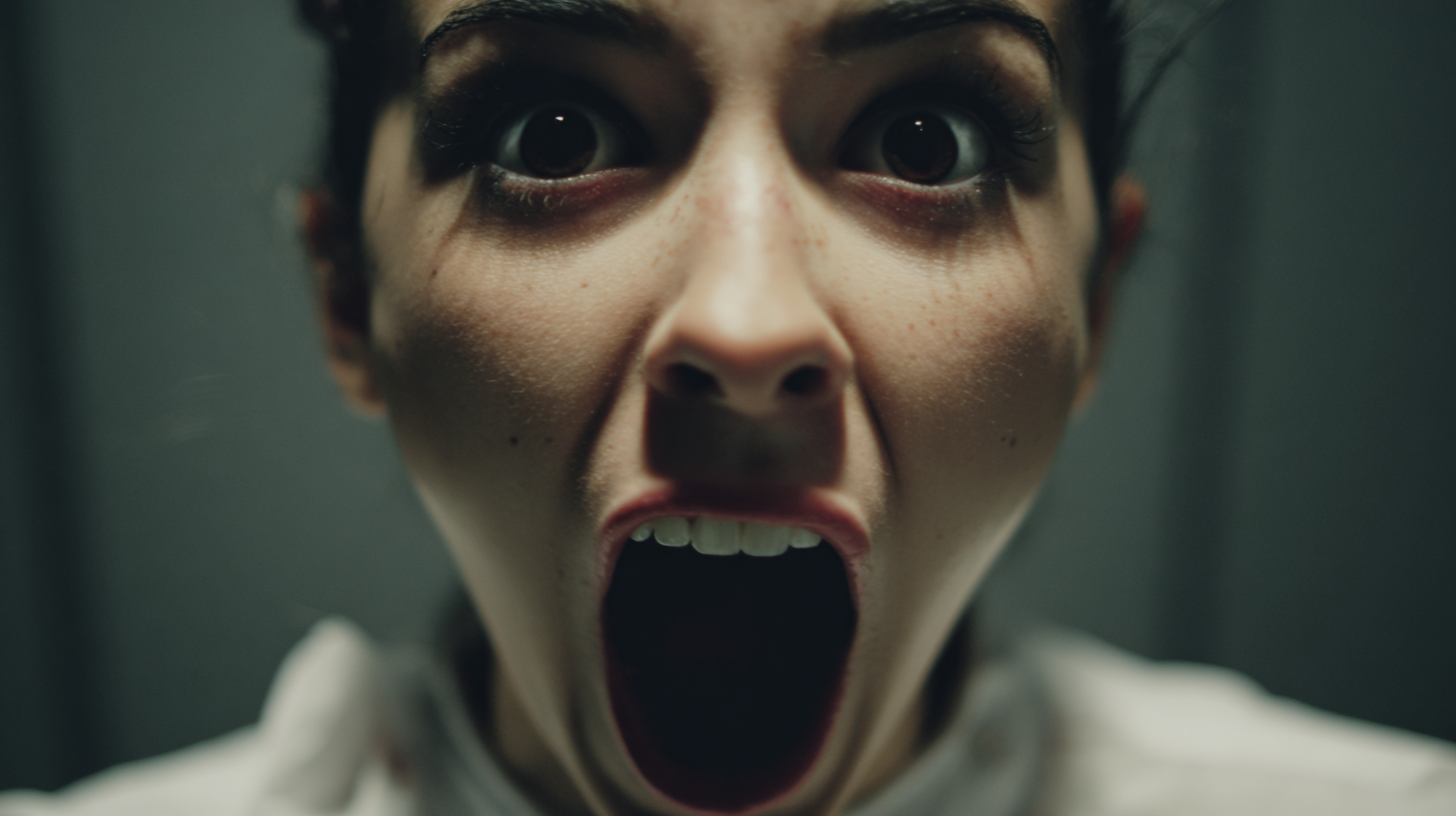
Prompt: intense hysteria, close up portrait, cinematic lighting, dramatic mood --ar 16:9 --style raw --v 7
Selection Method: Human curation - strongest emotional performance per grid
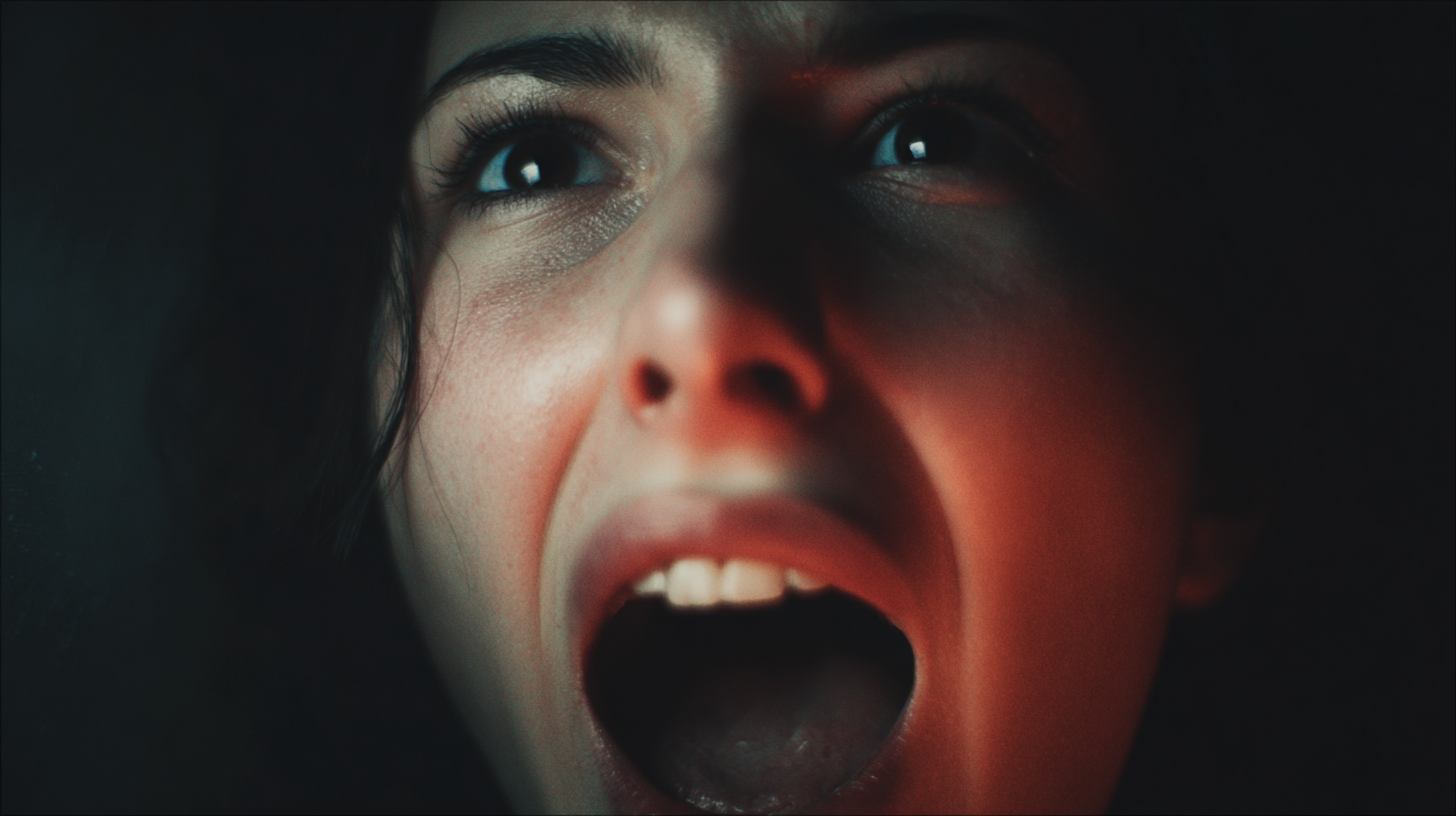
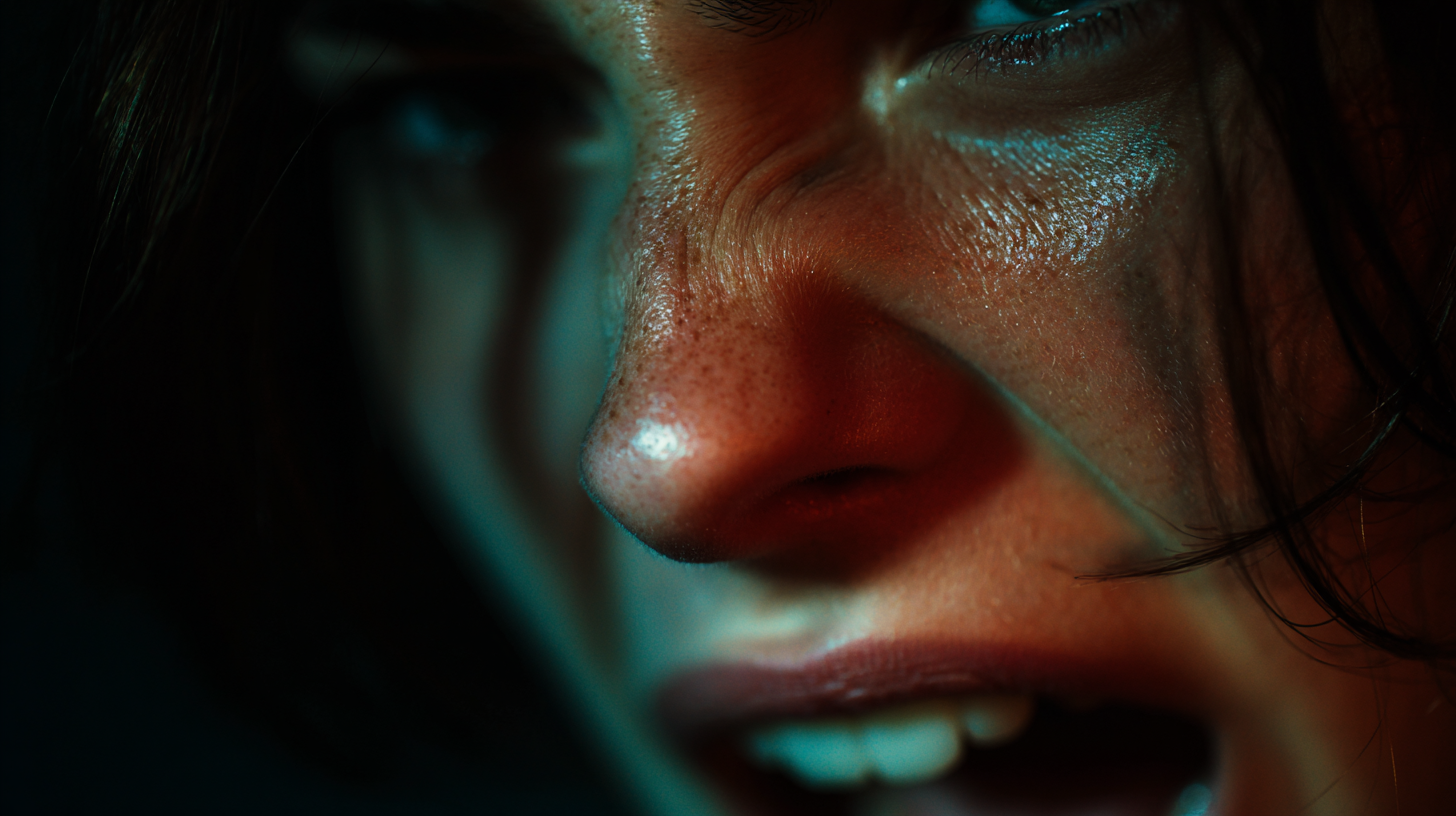
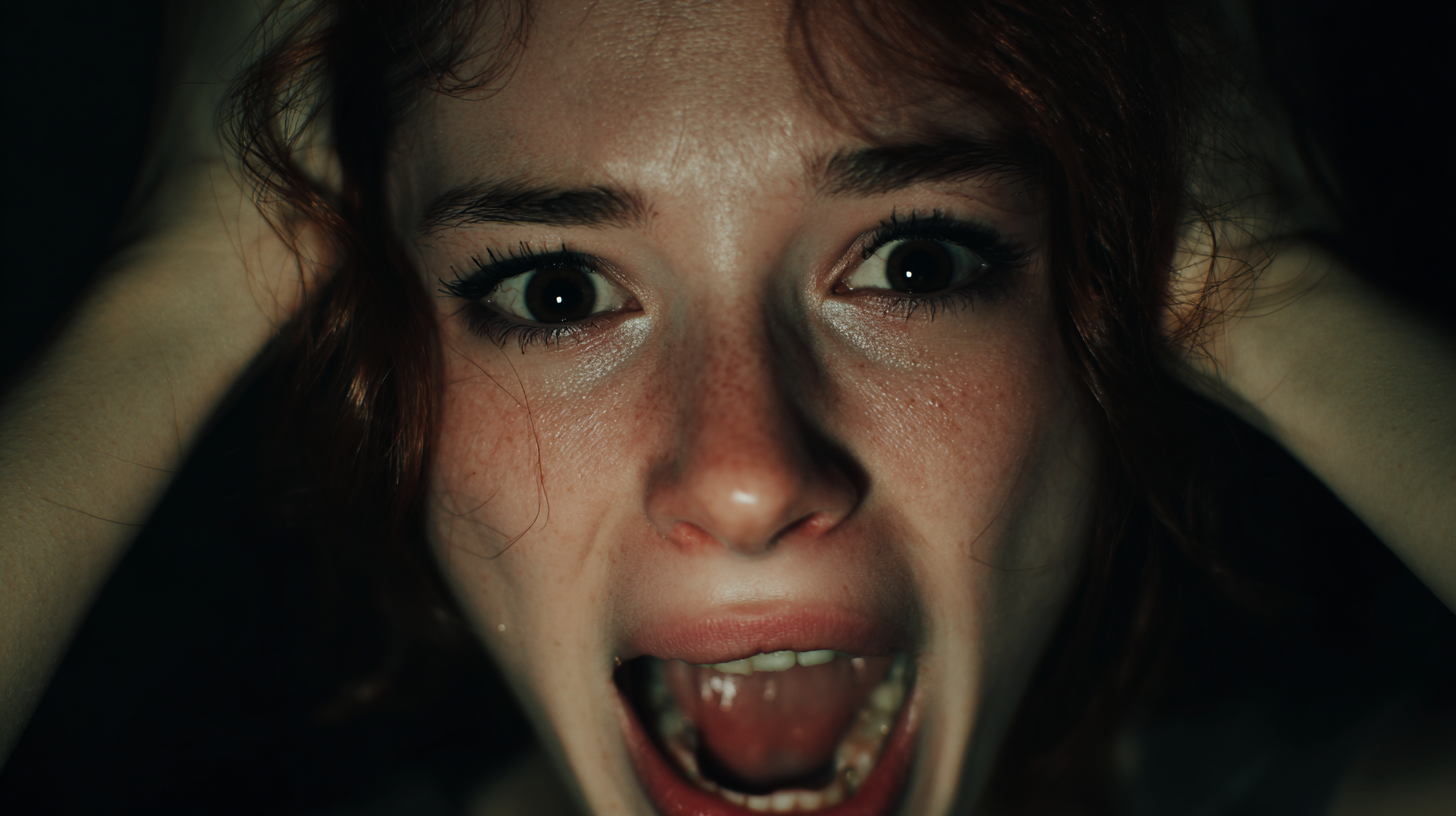
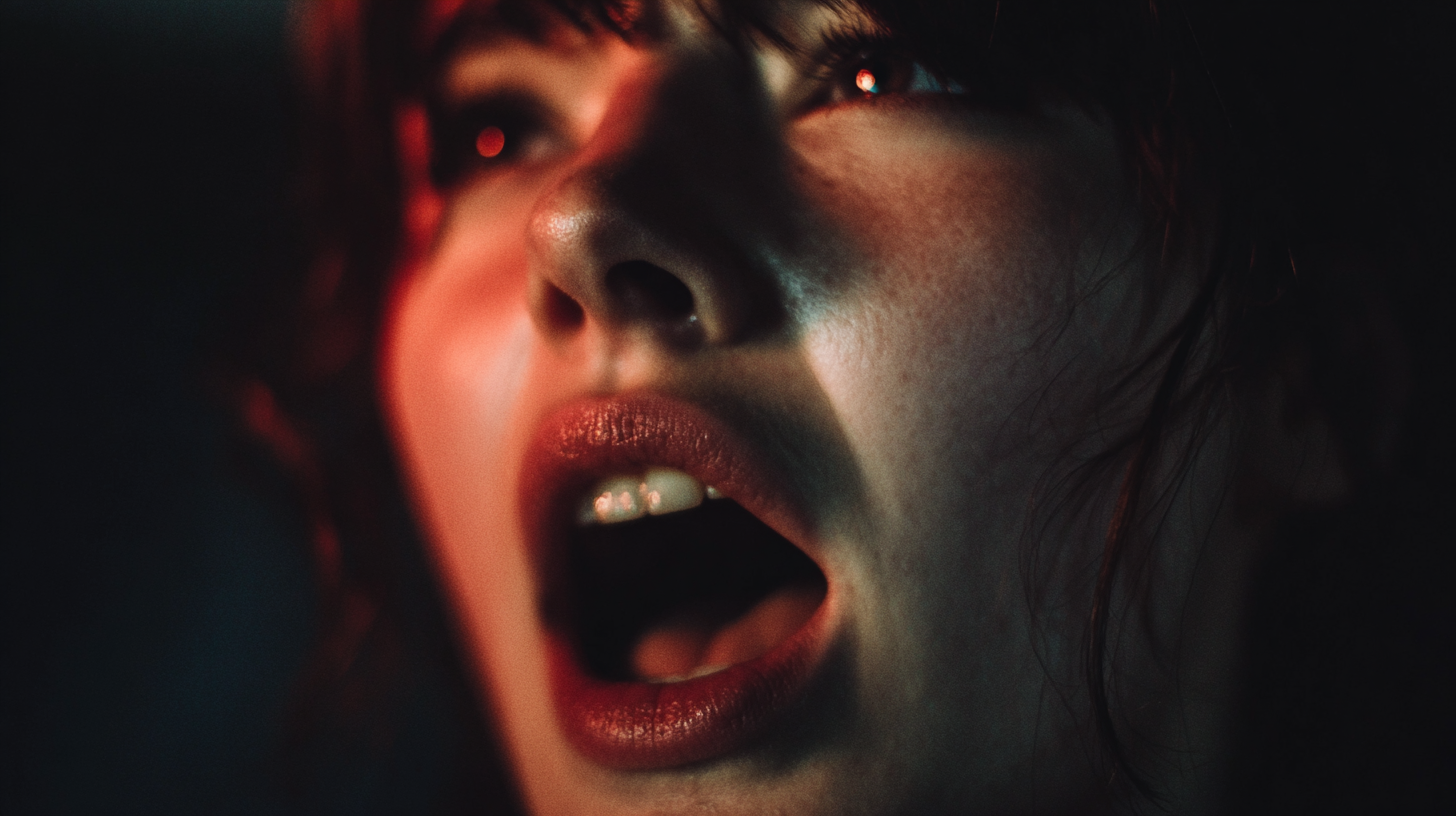
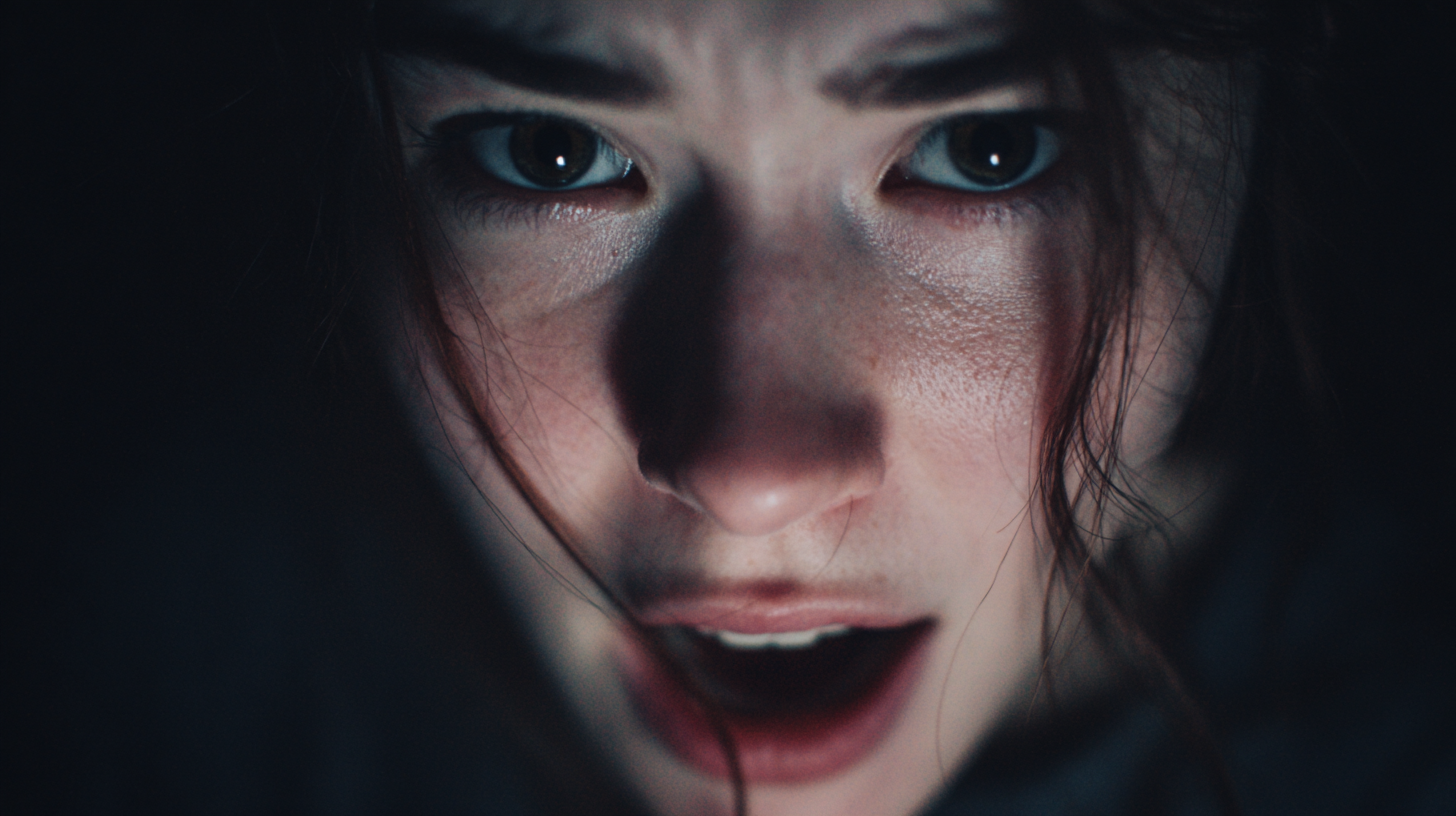
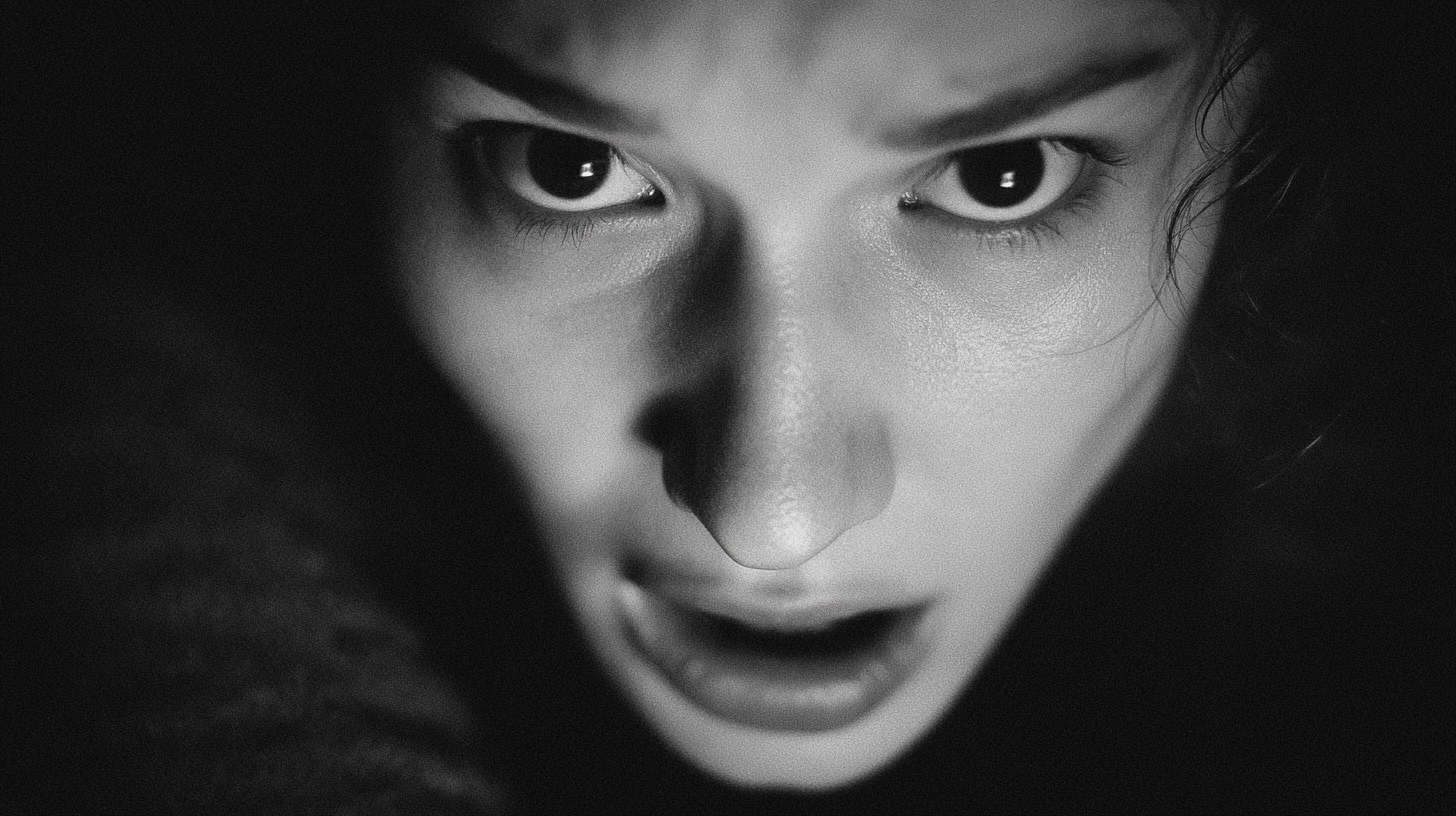
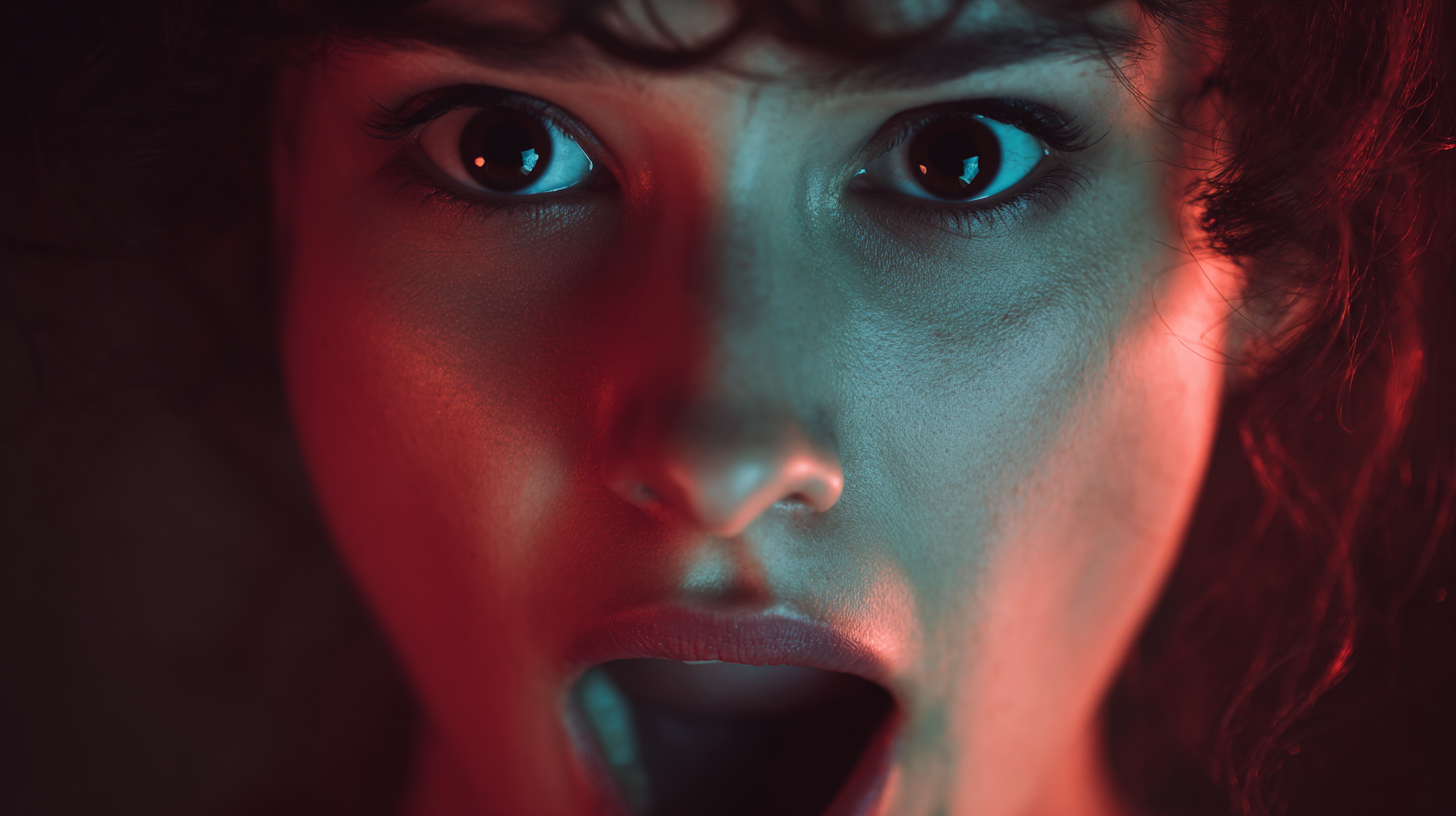
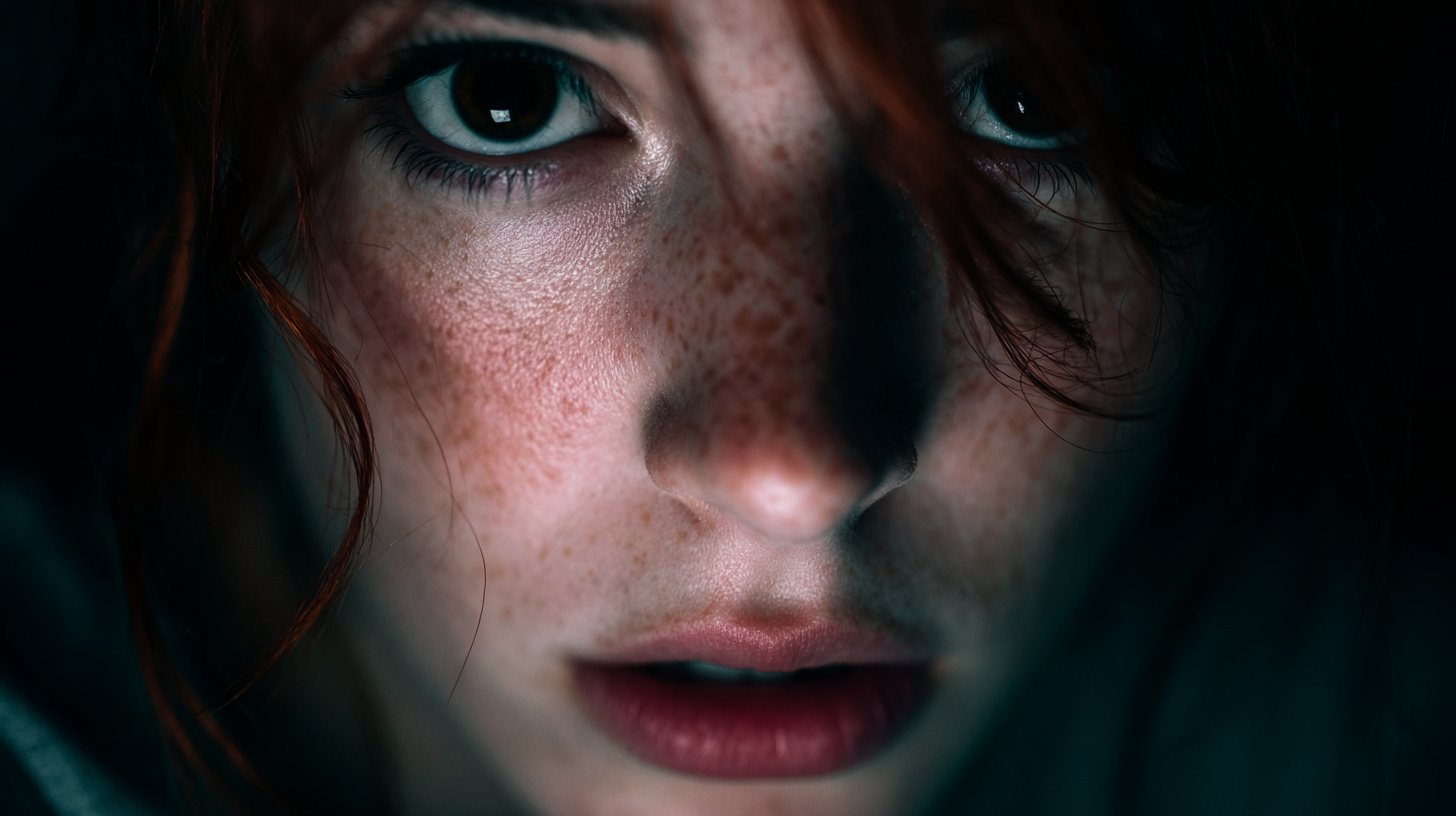
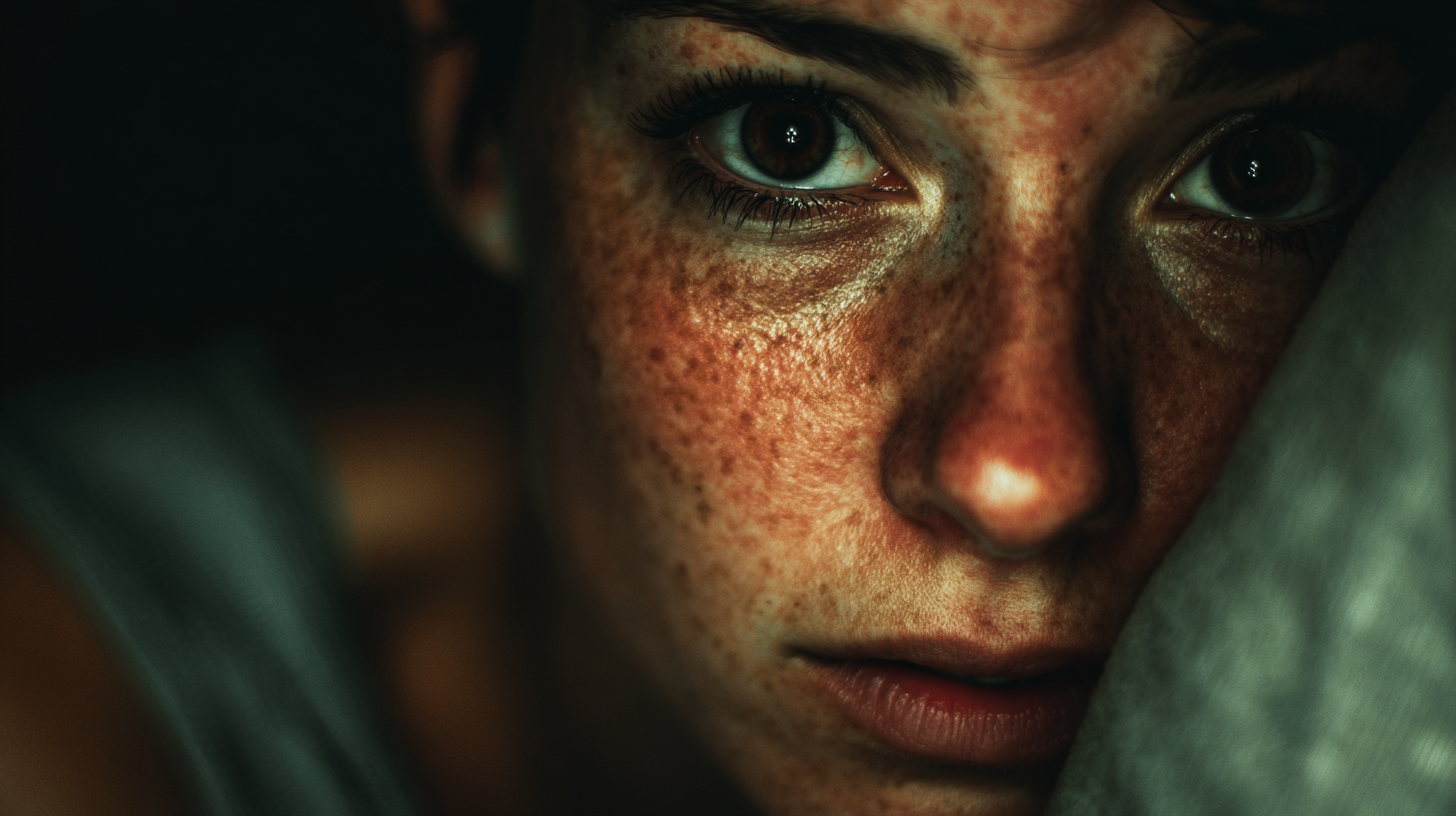
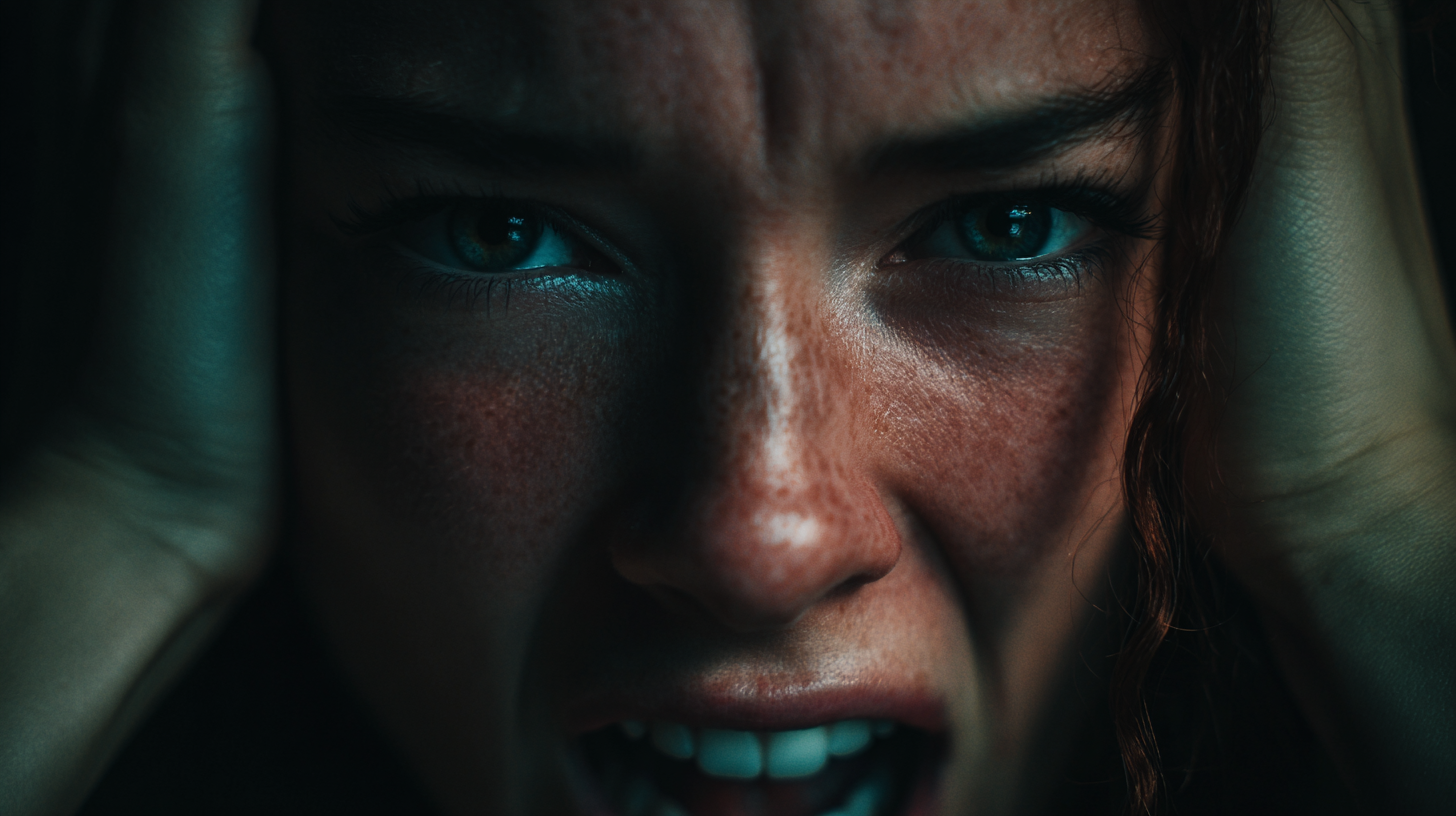
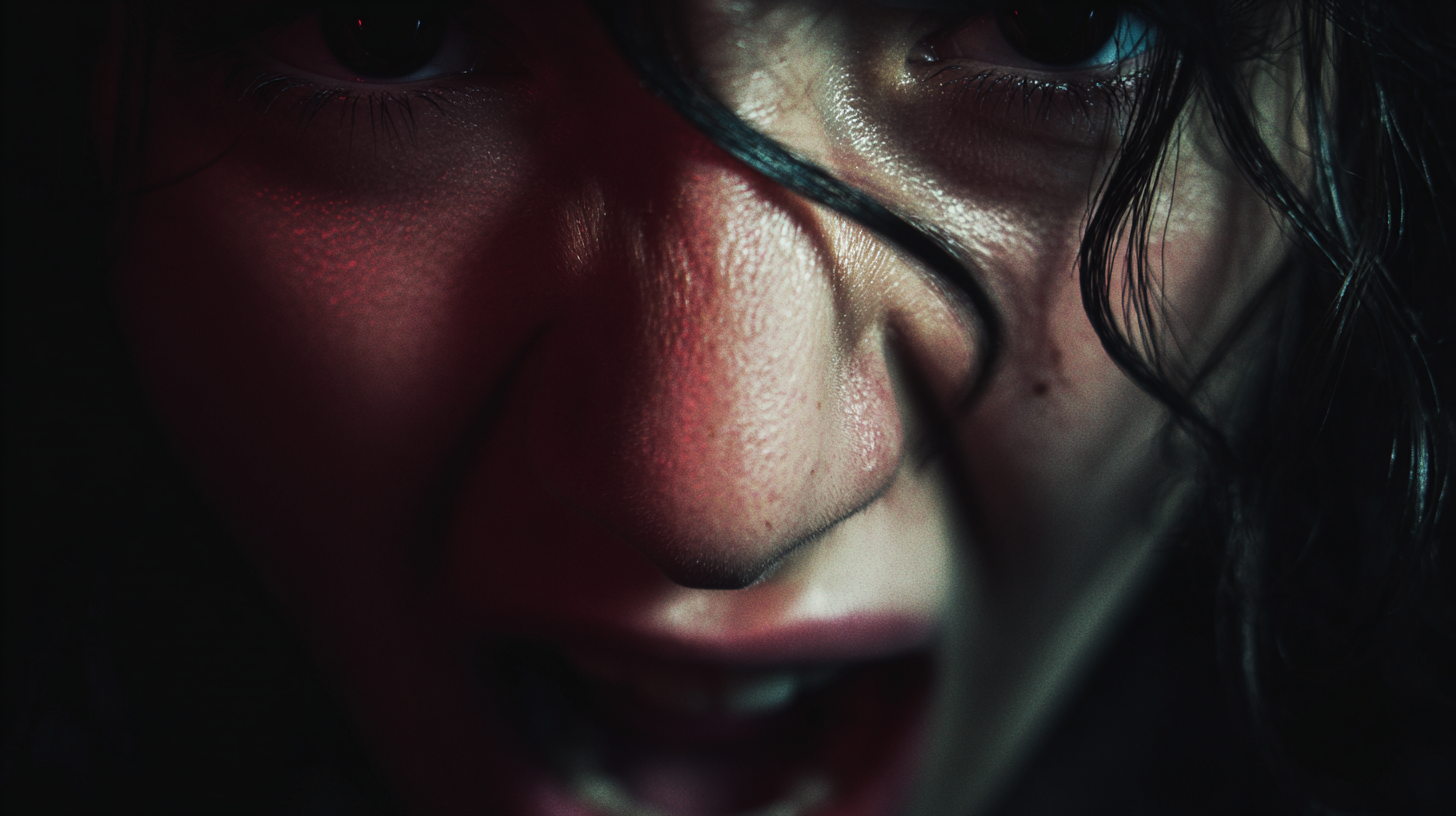
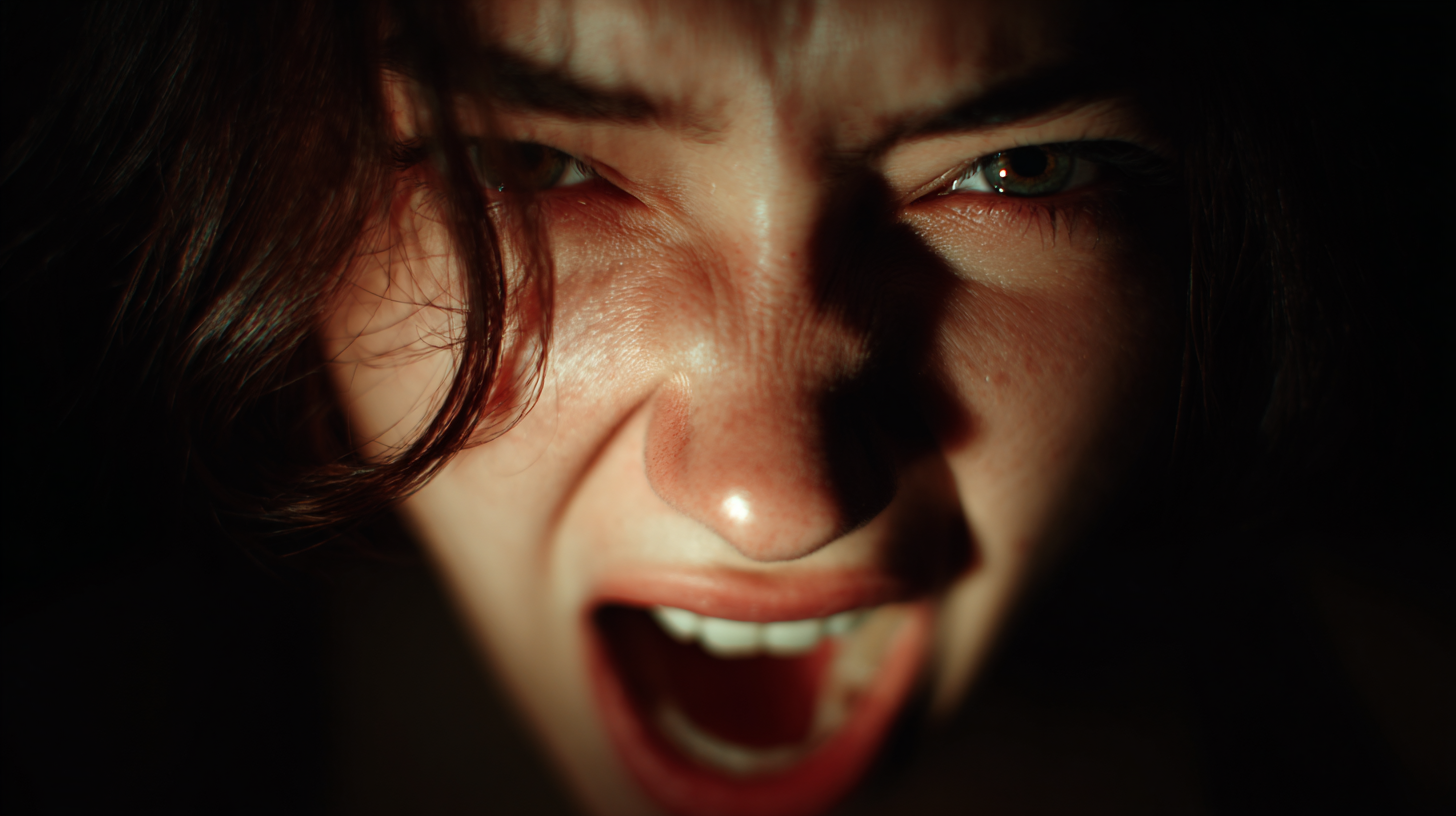
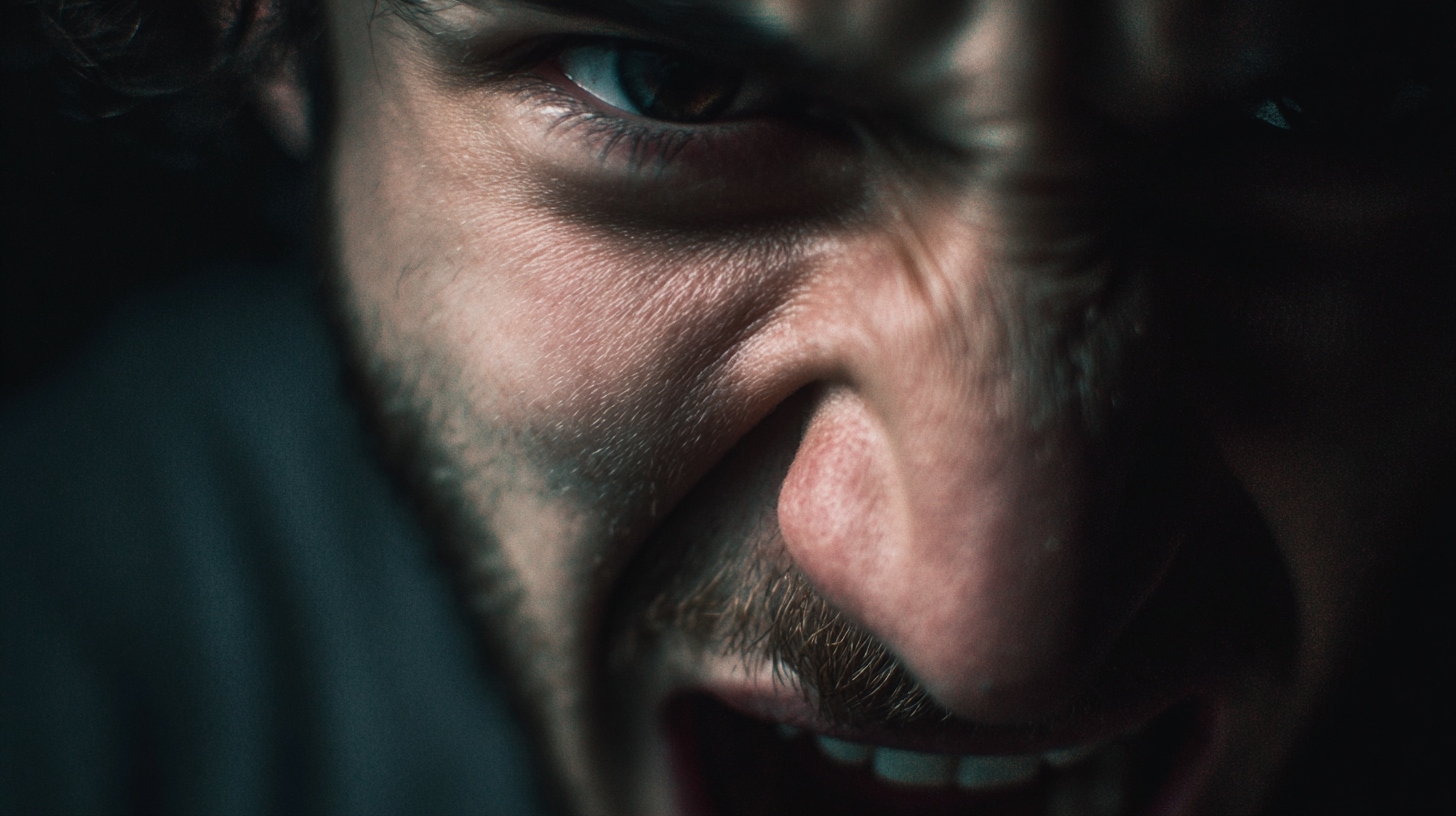
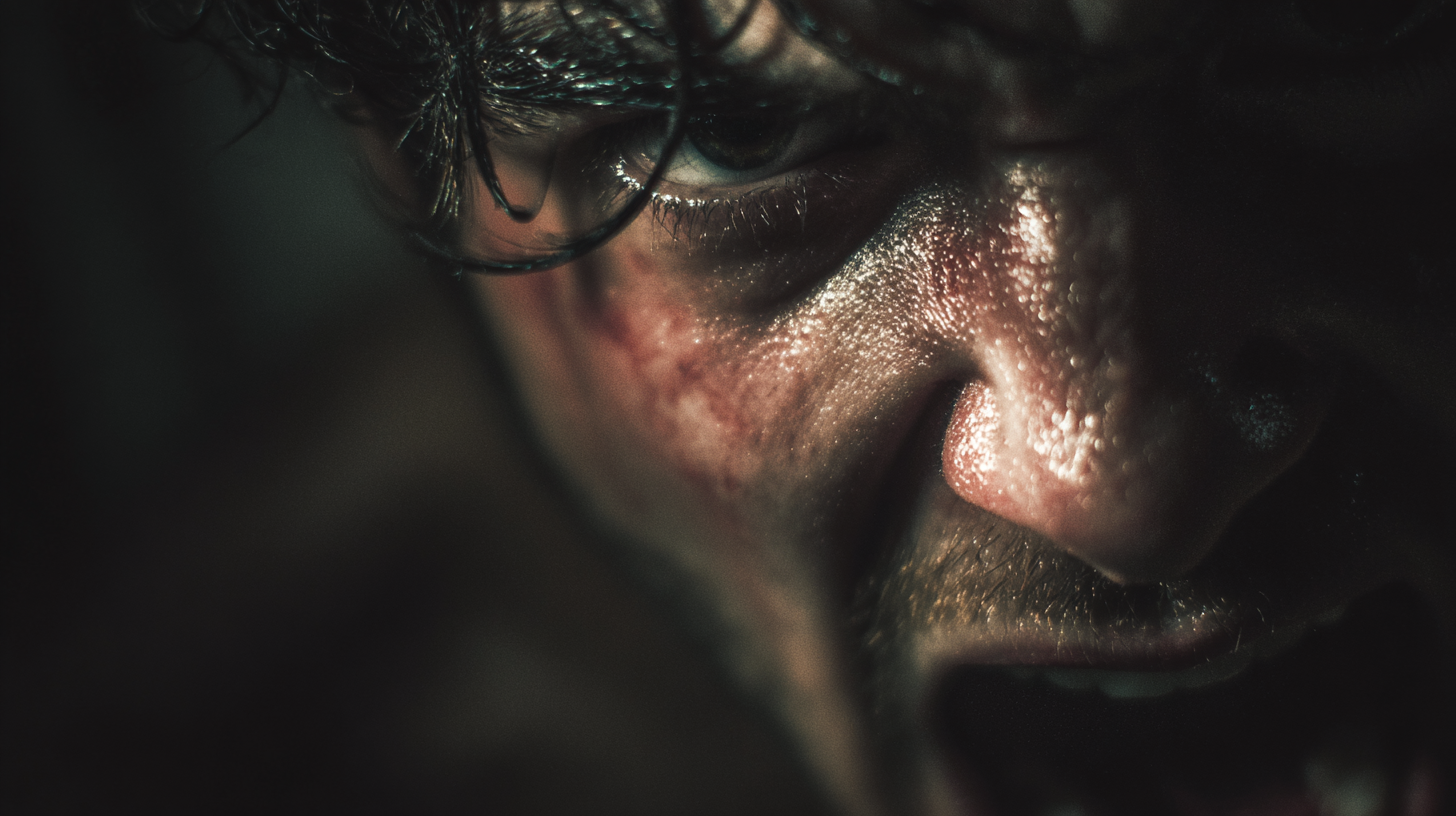
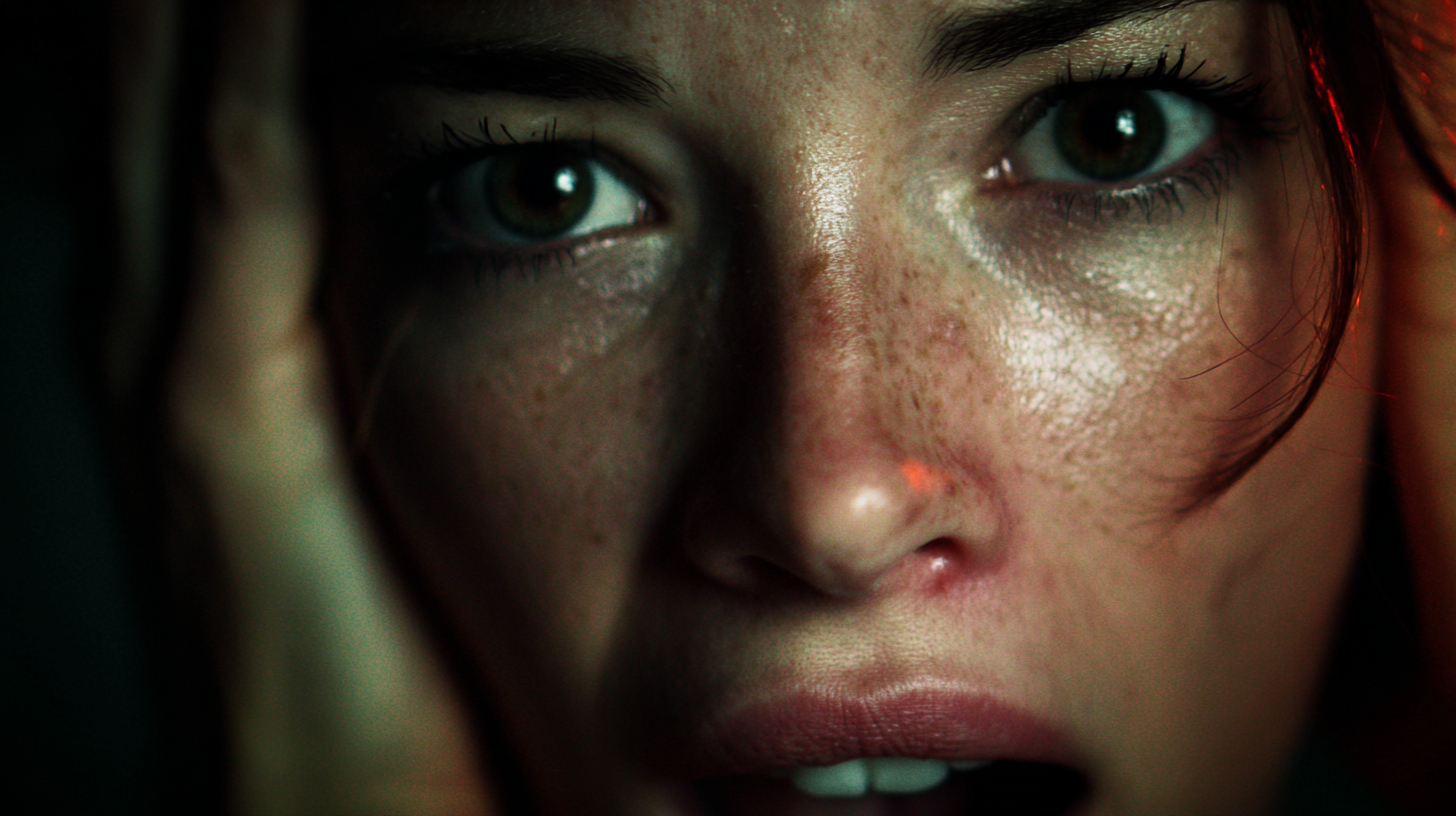
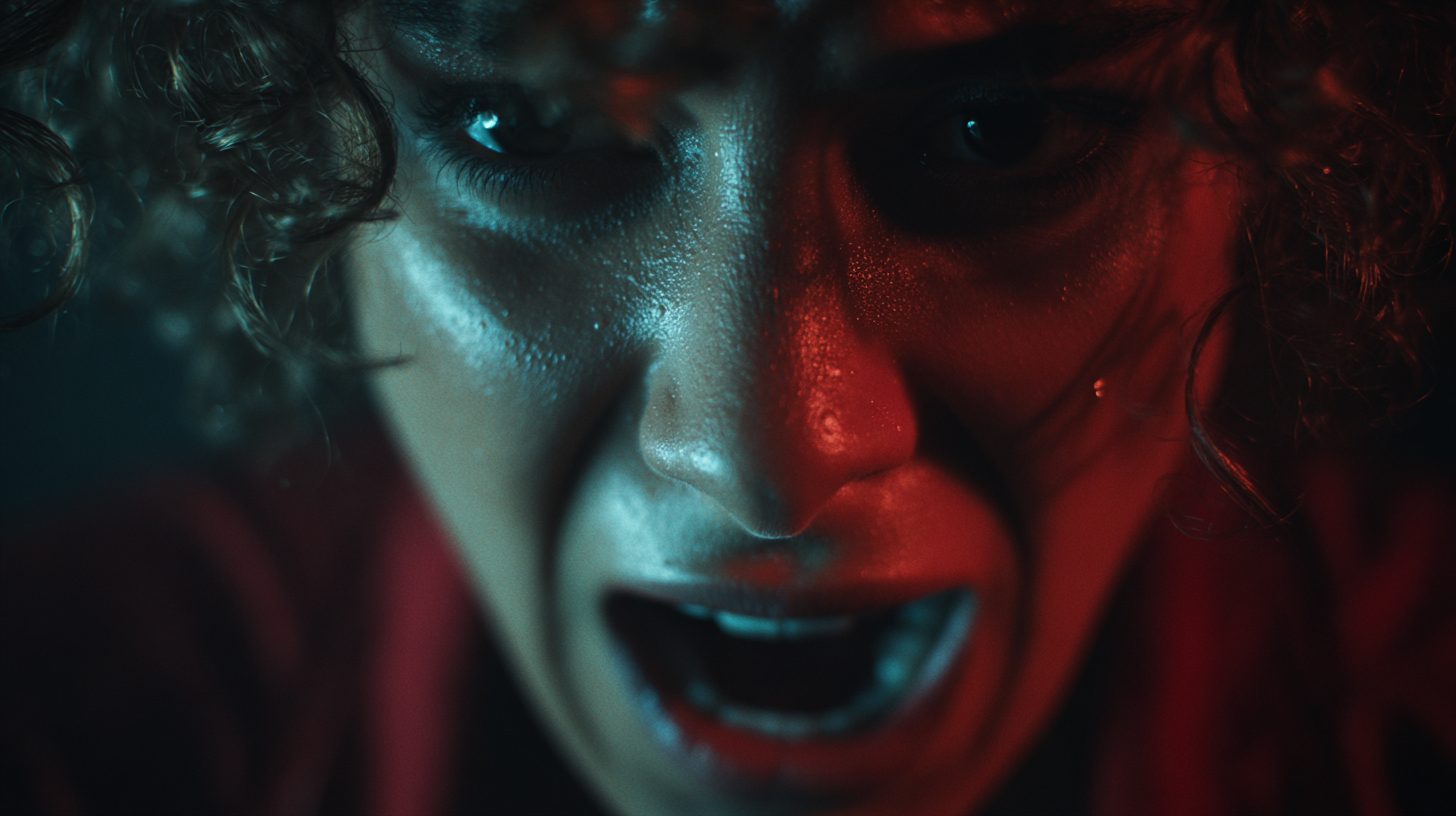
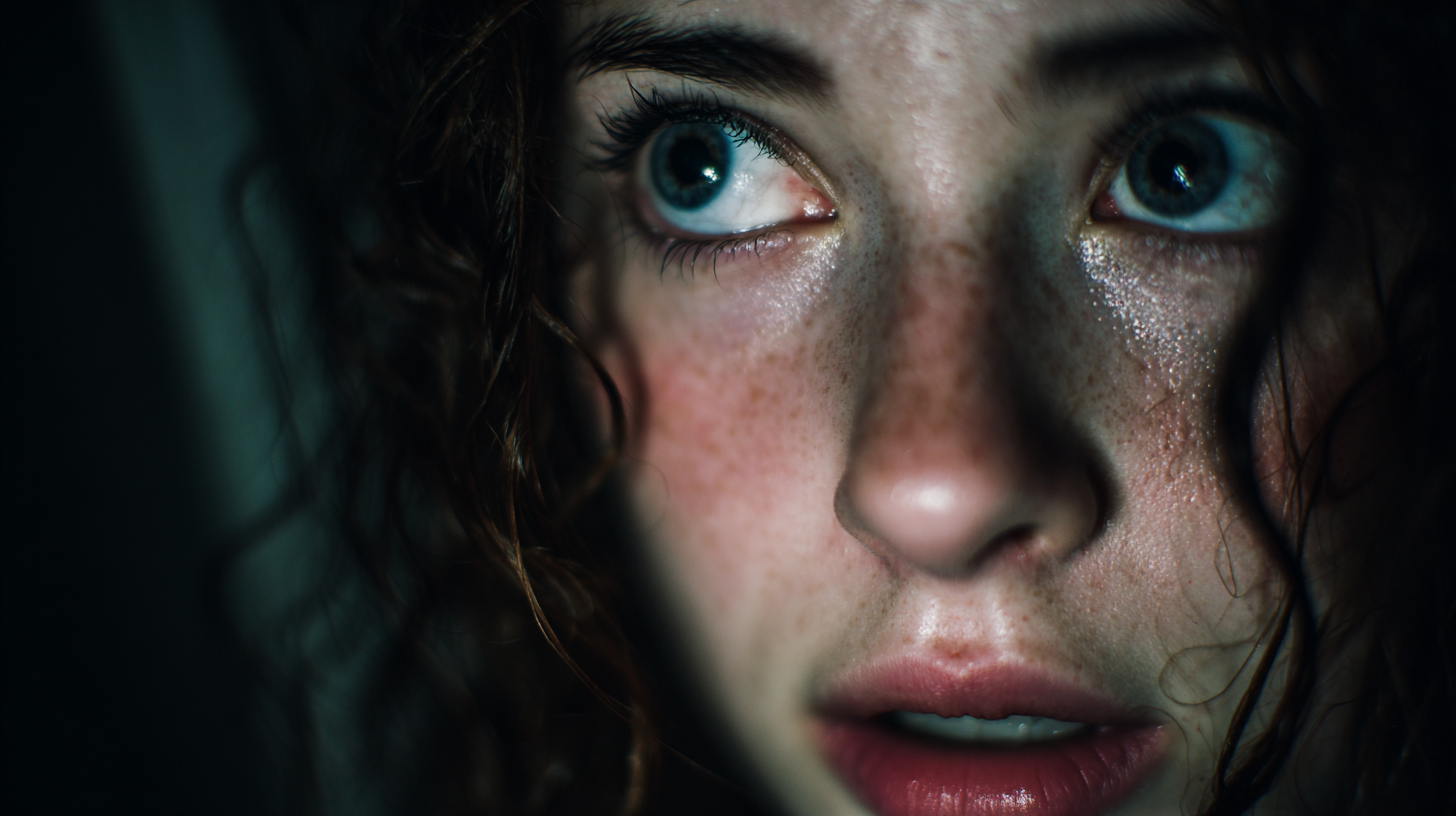
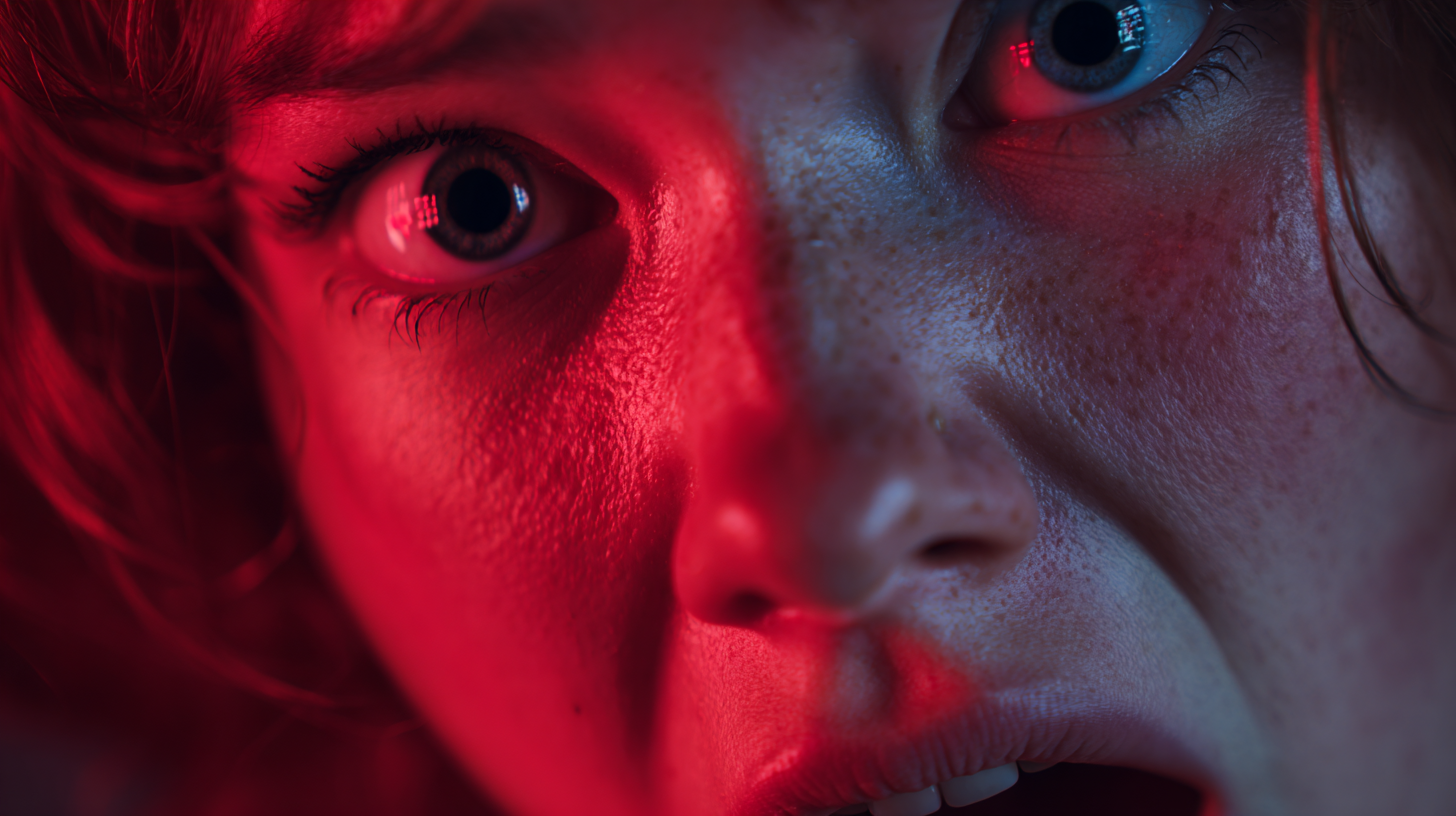
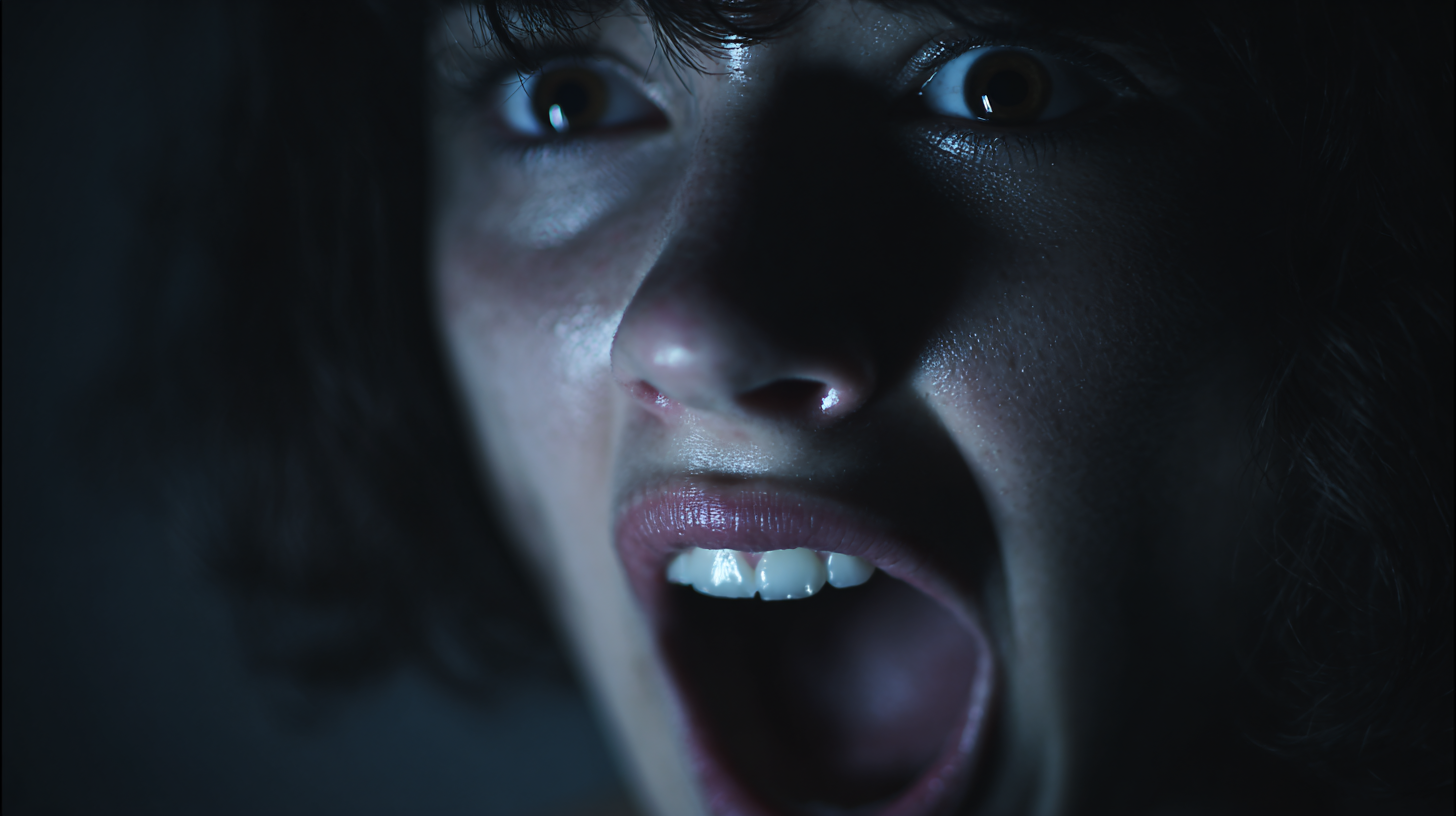
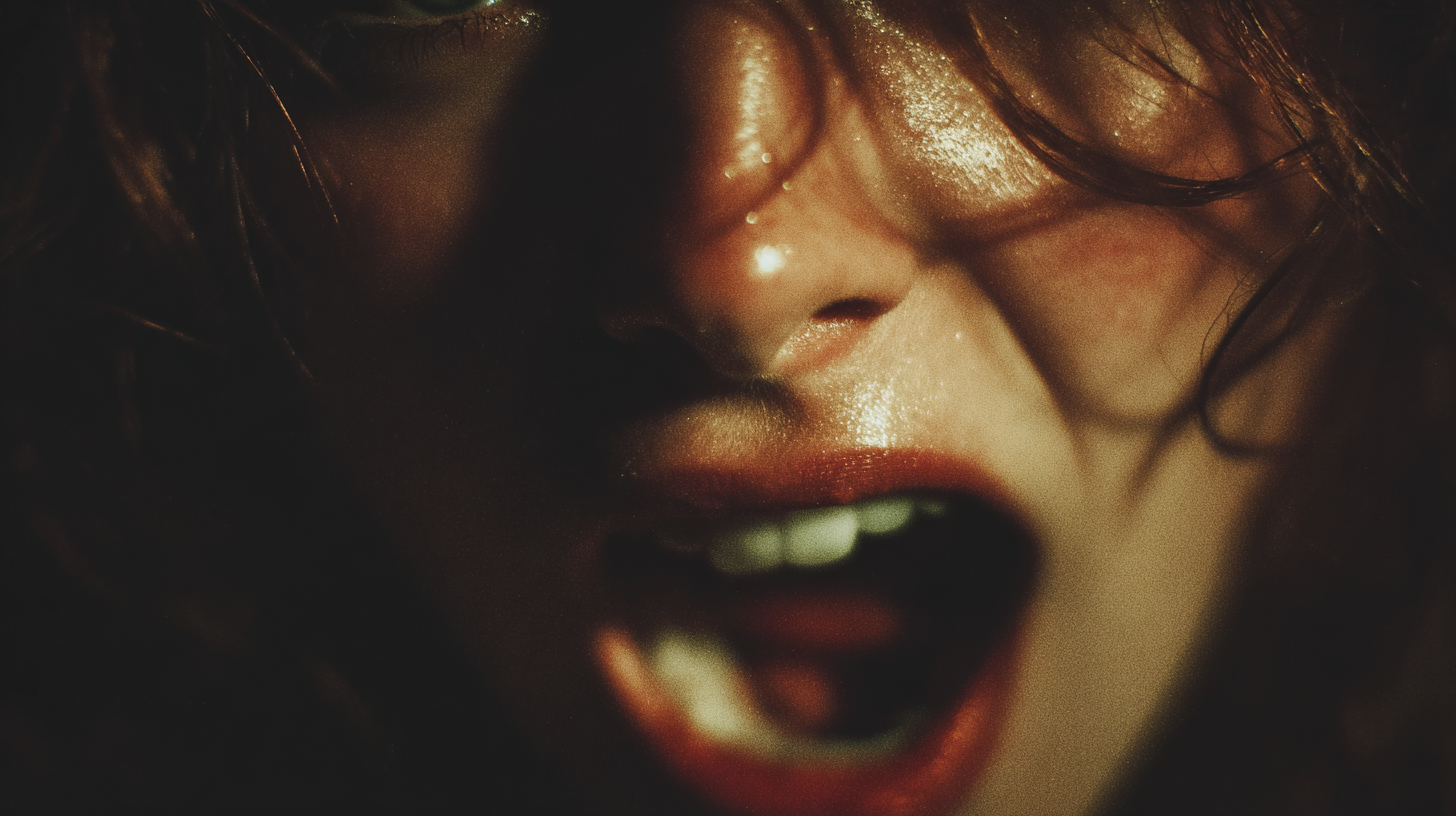
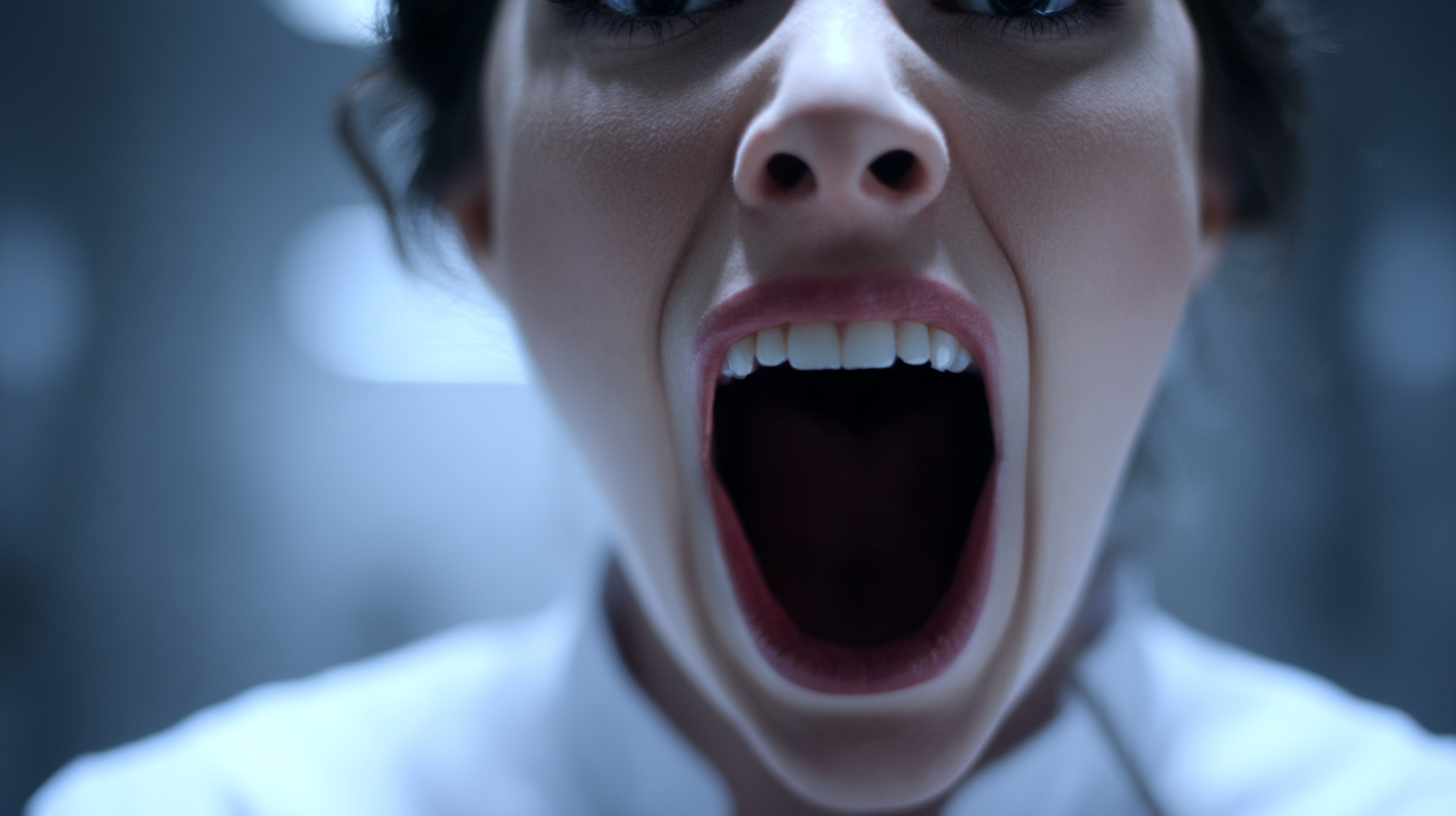
Prompt: hysteria (no additional parameters)
Selection Method: All outputs documented (no human selection)
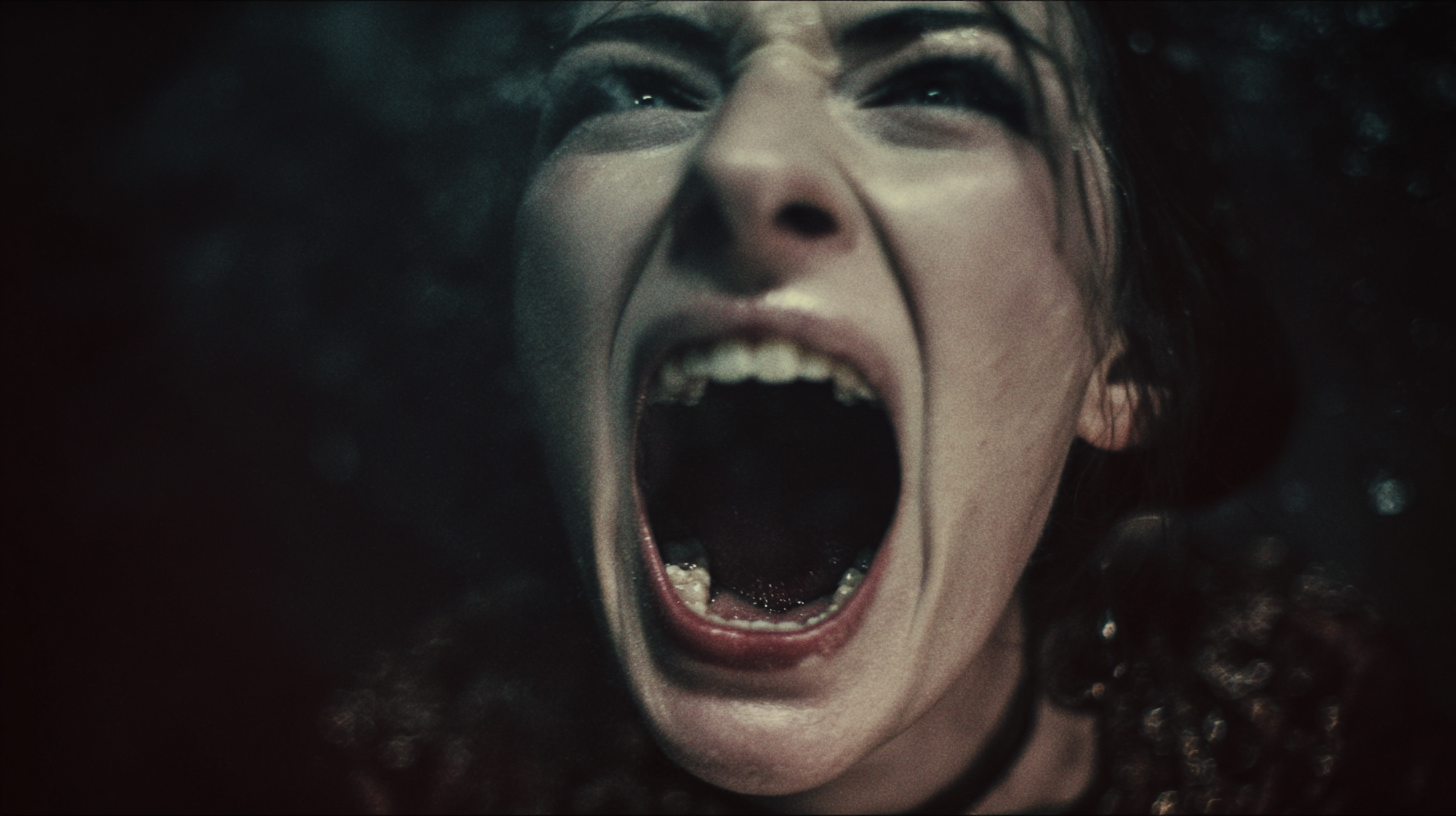
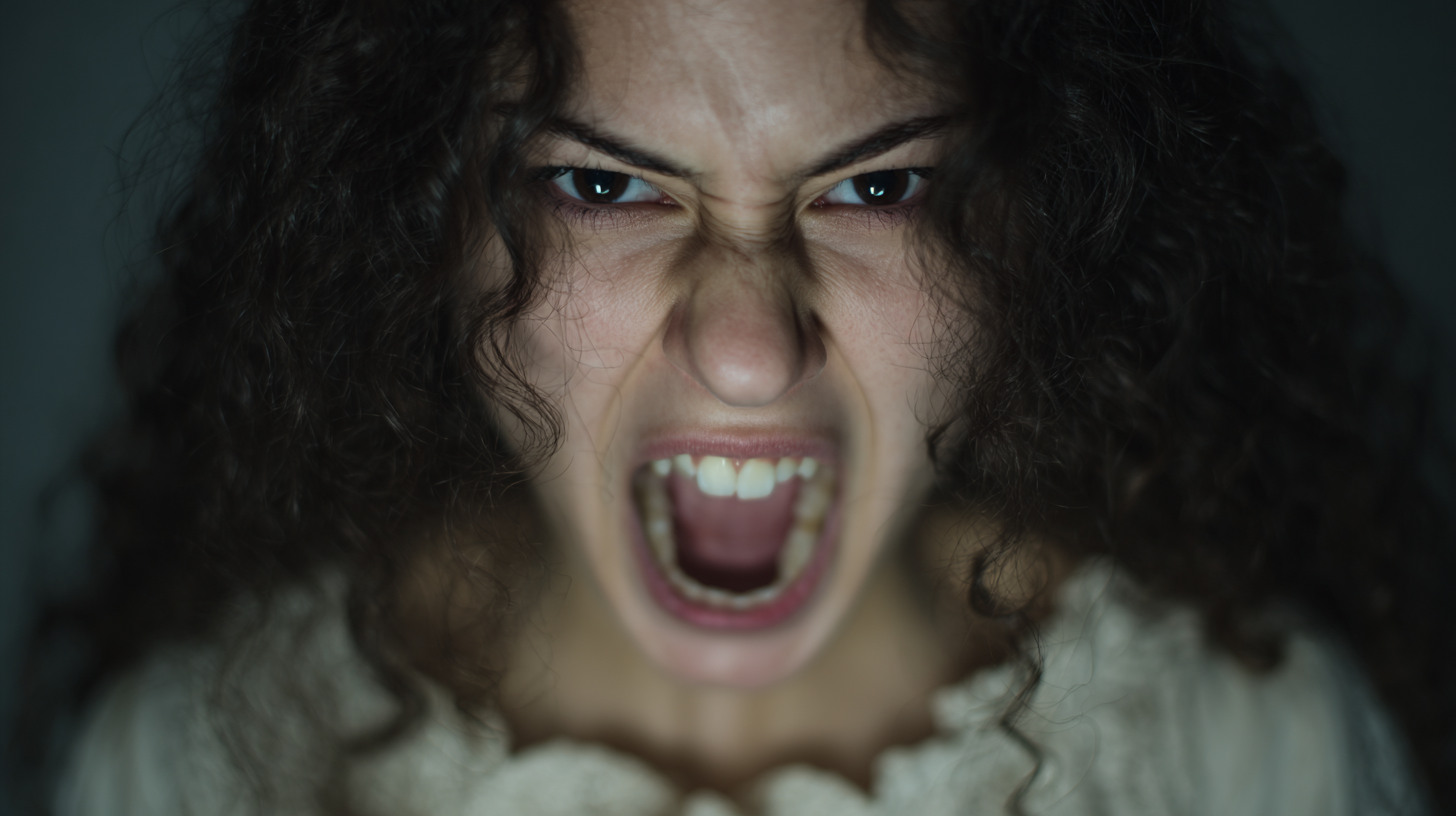
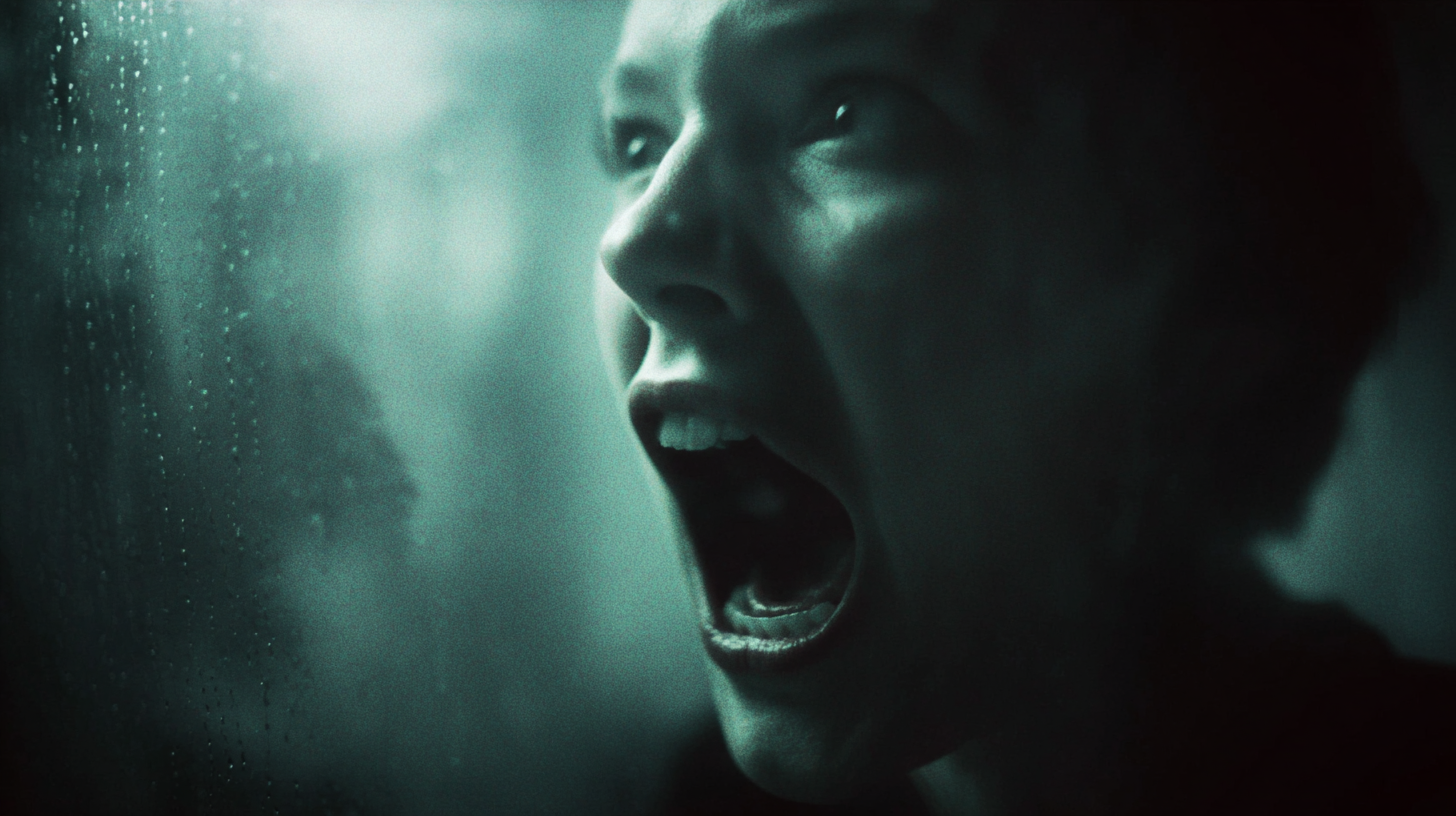

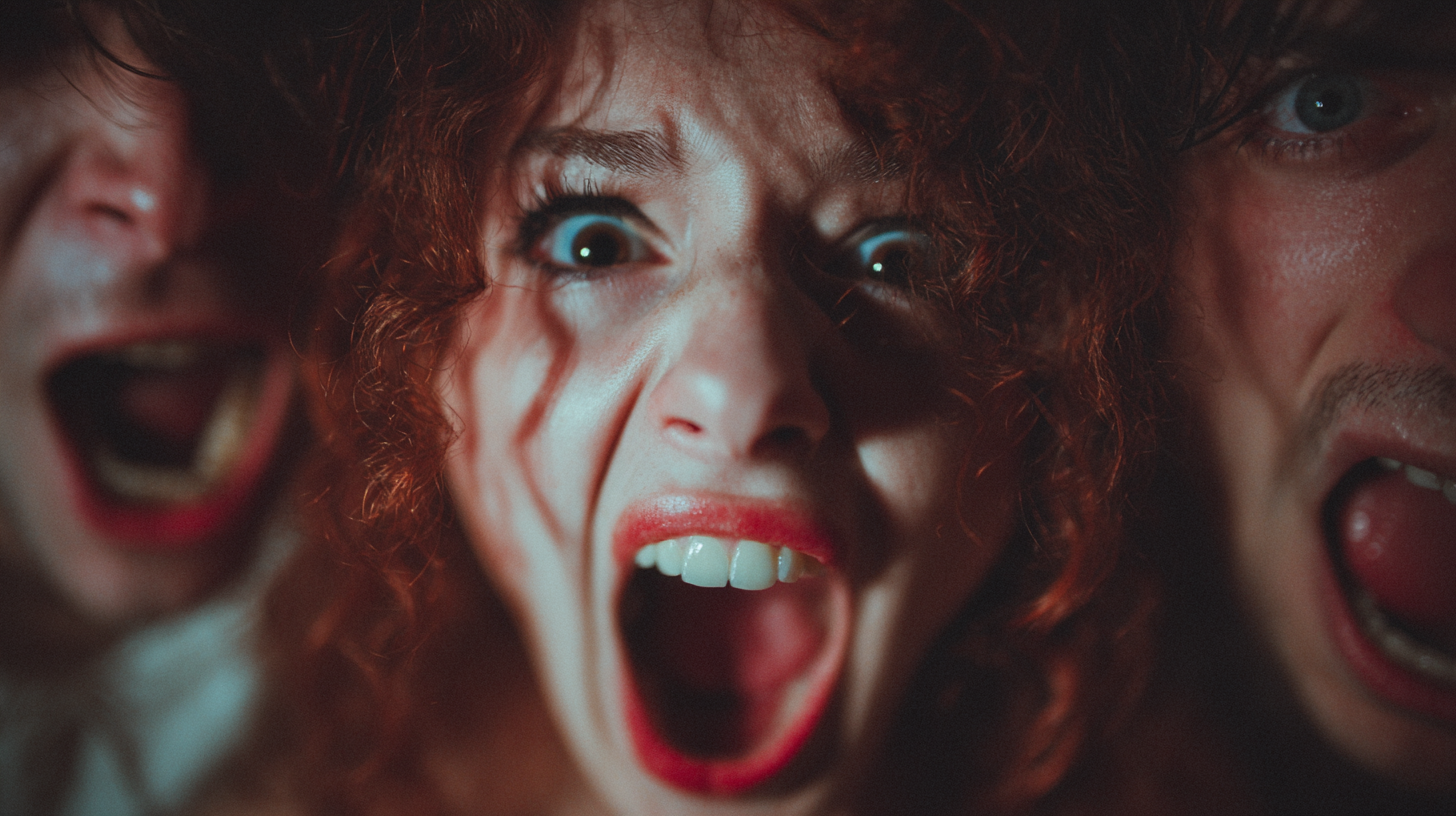
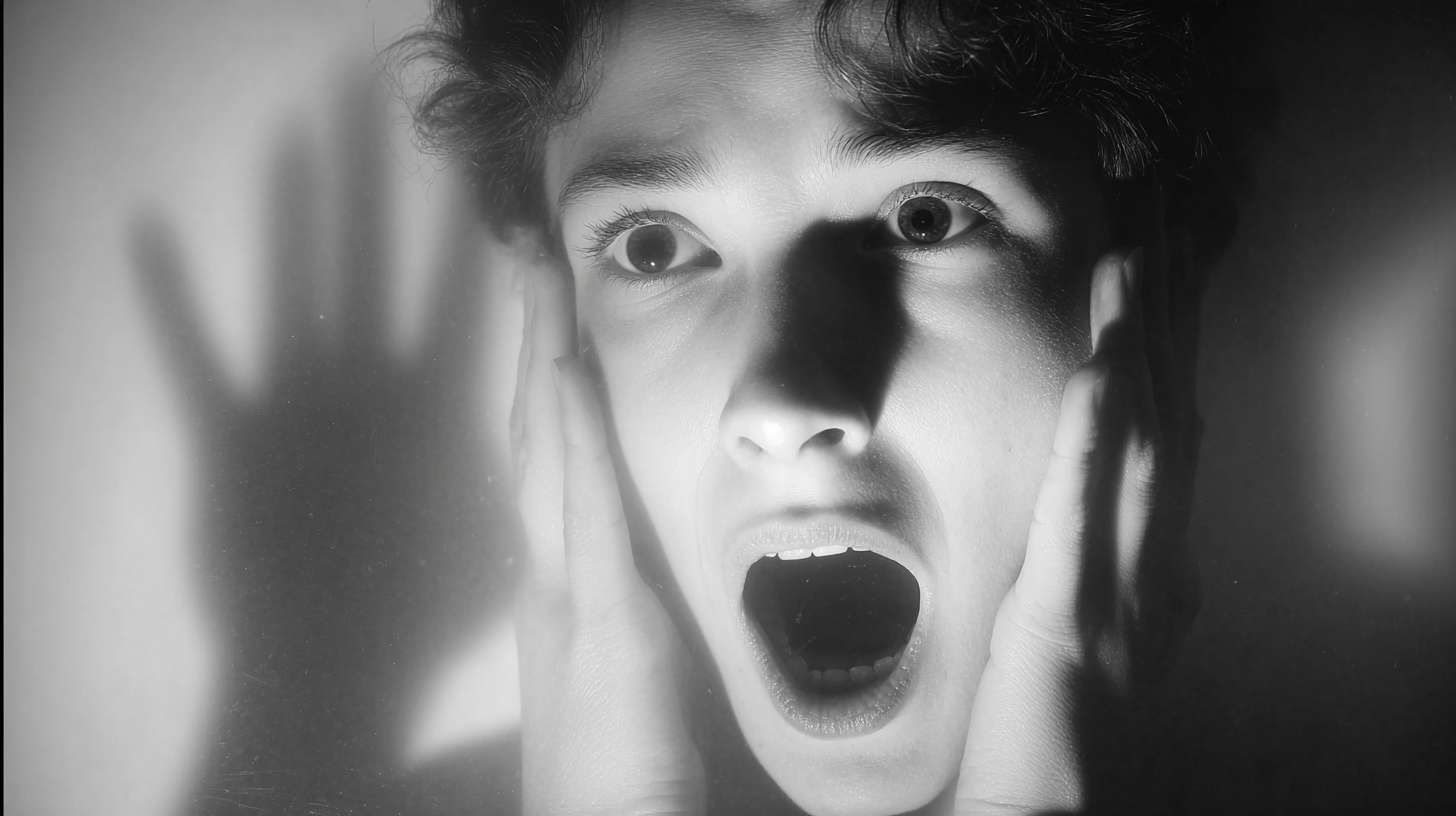
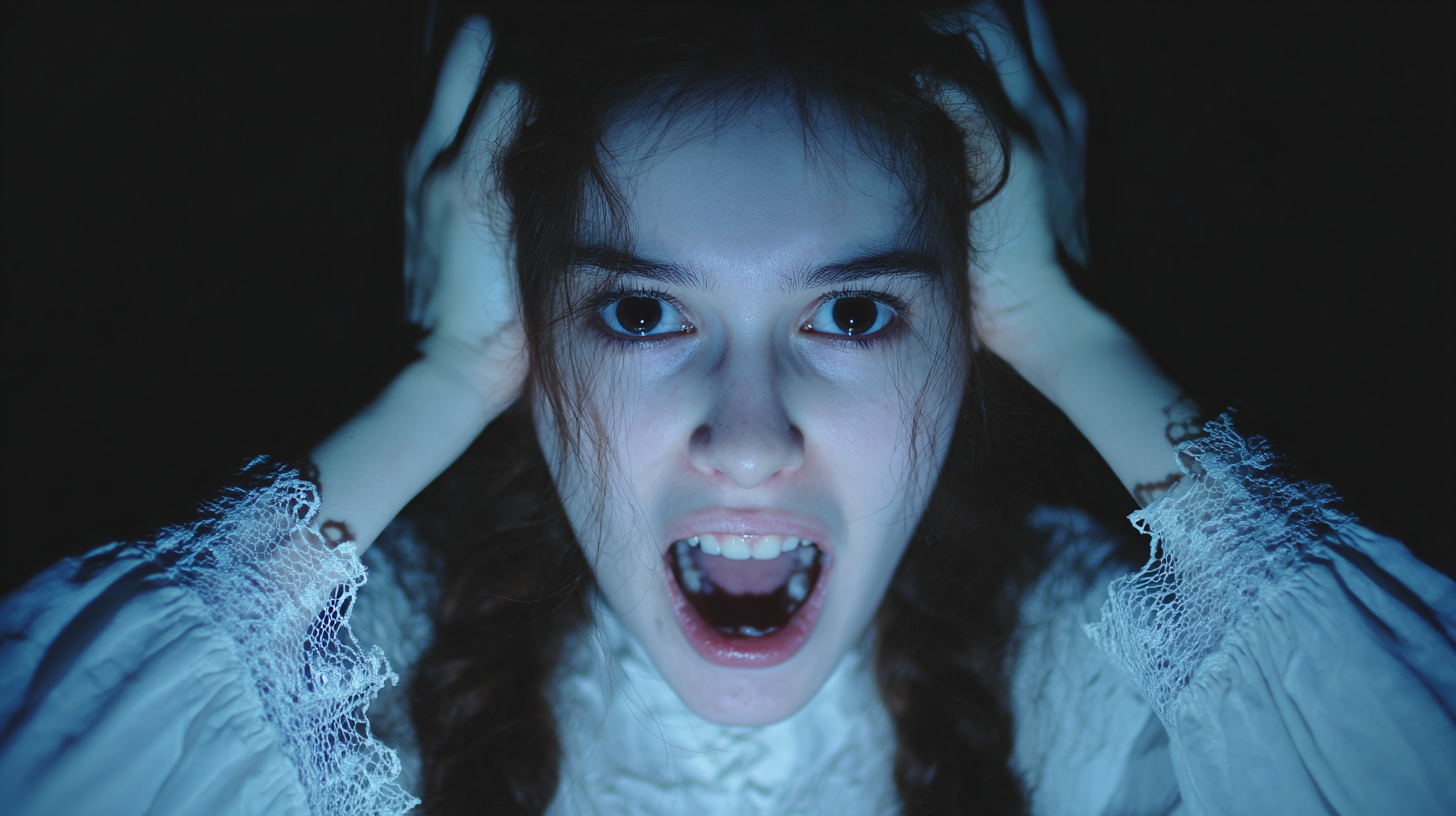
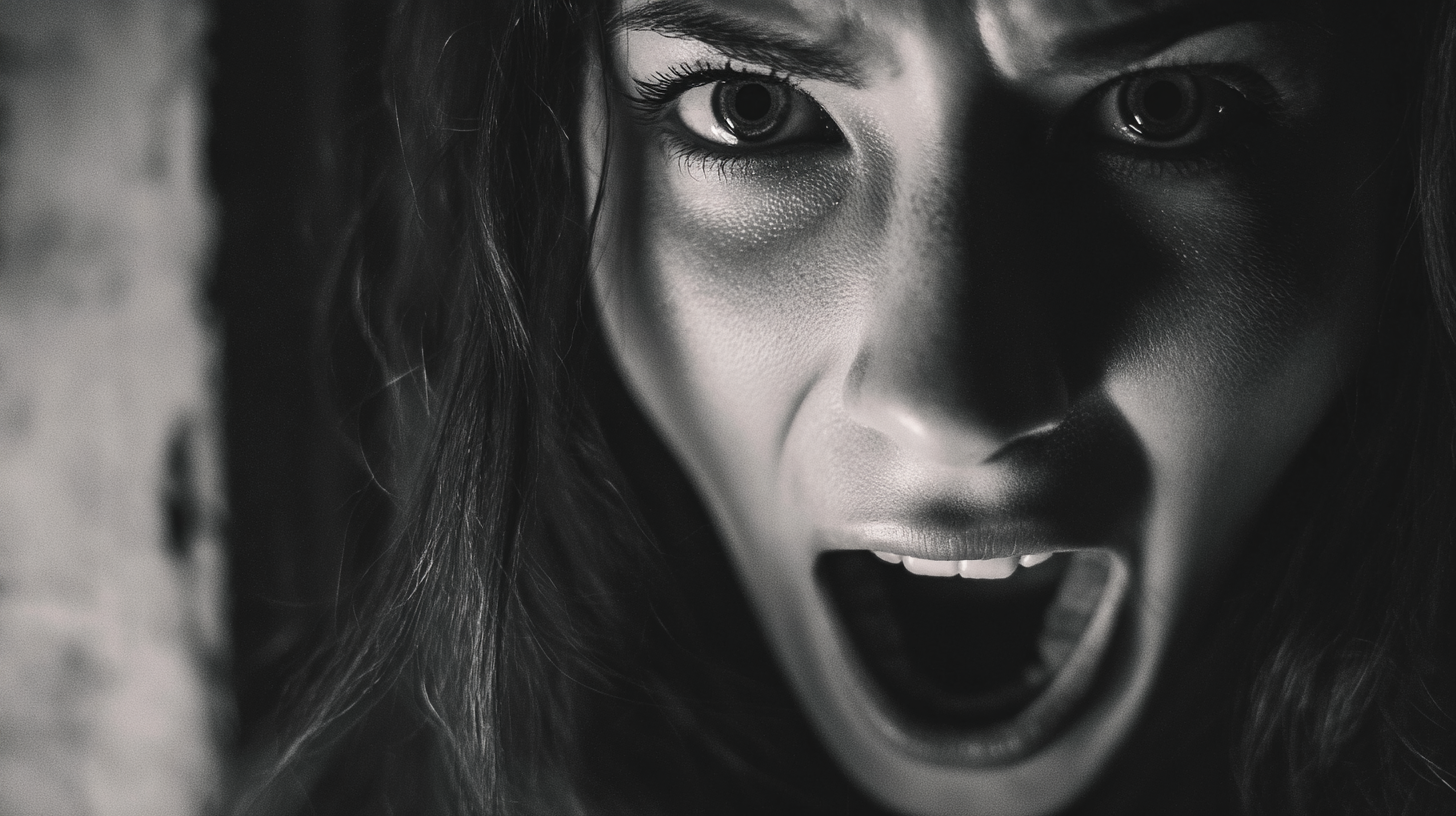
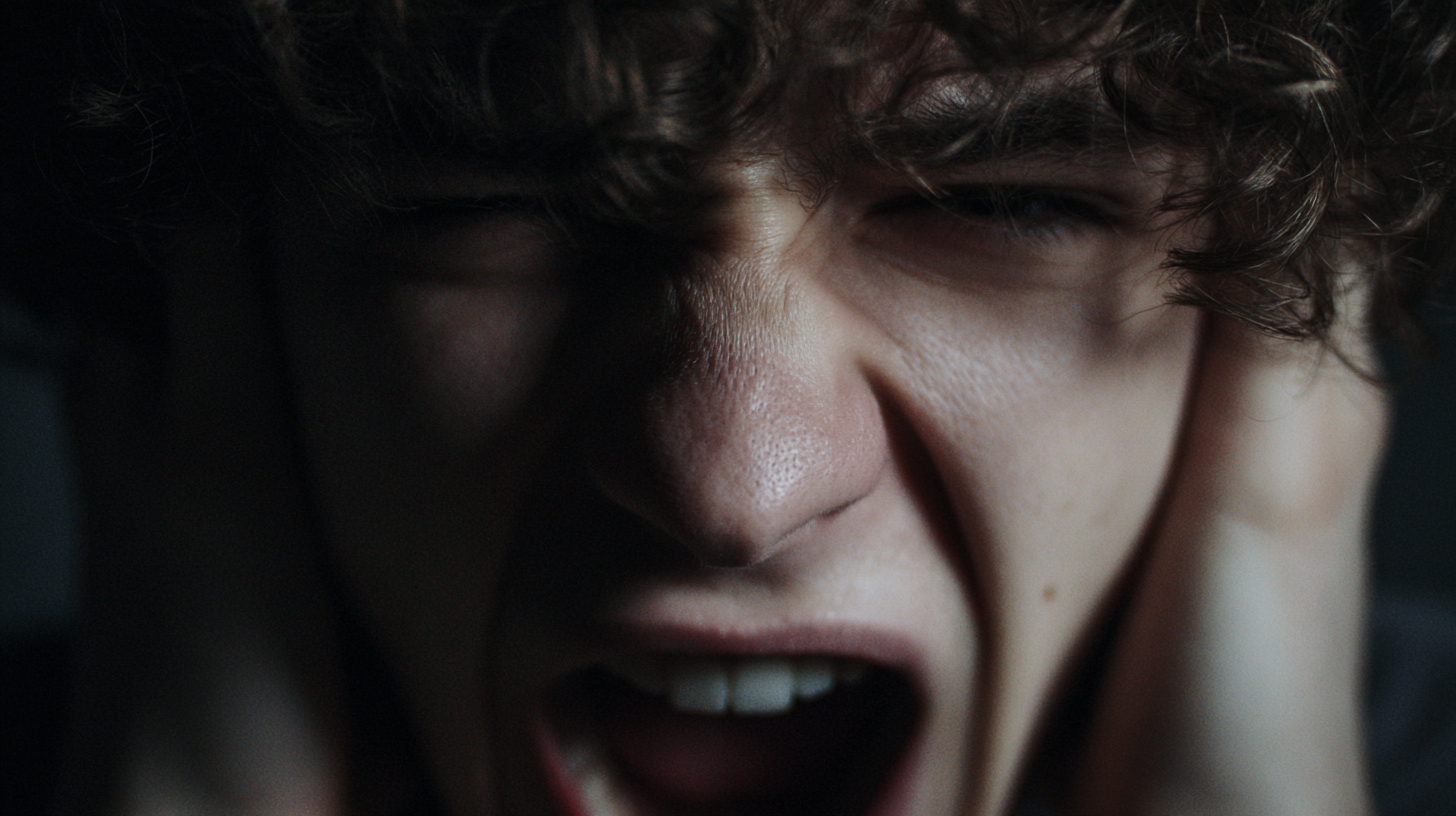
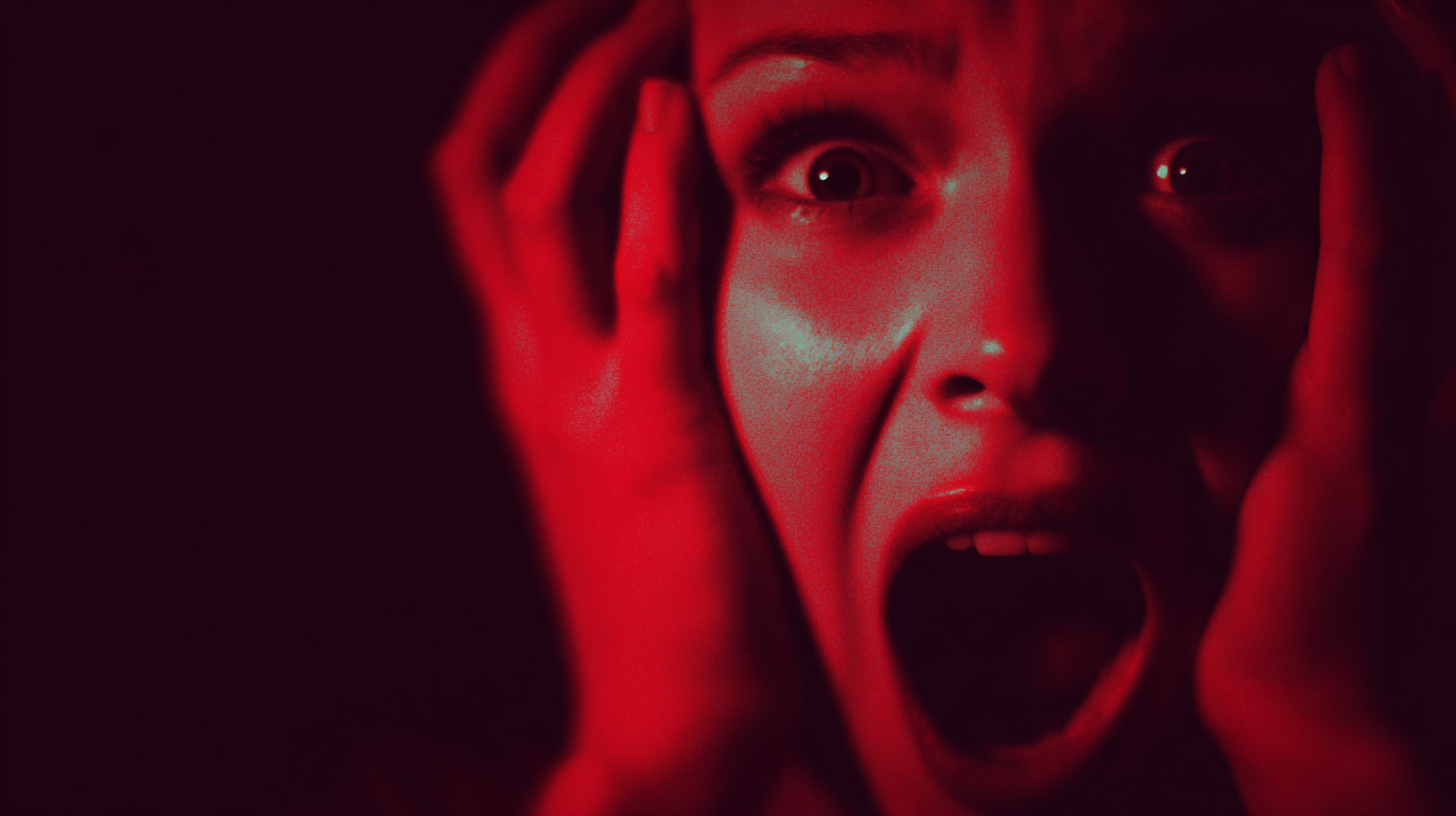
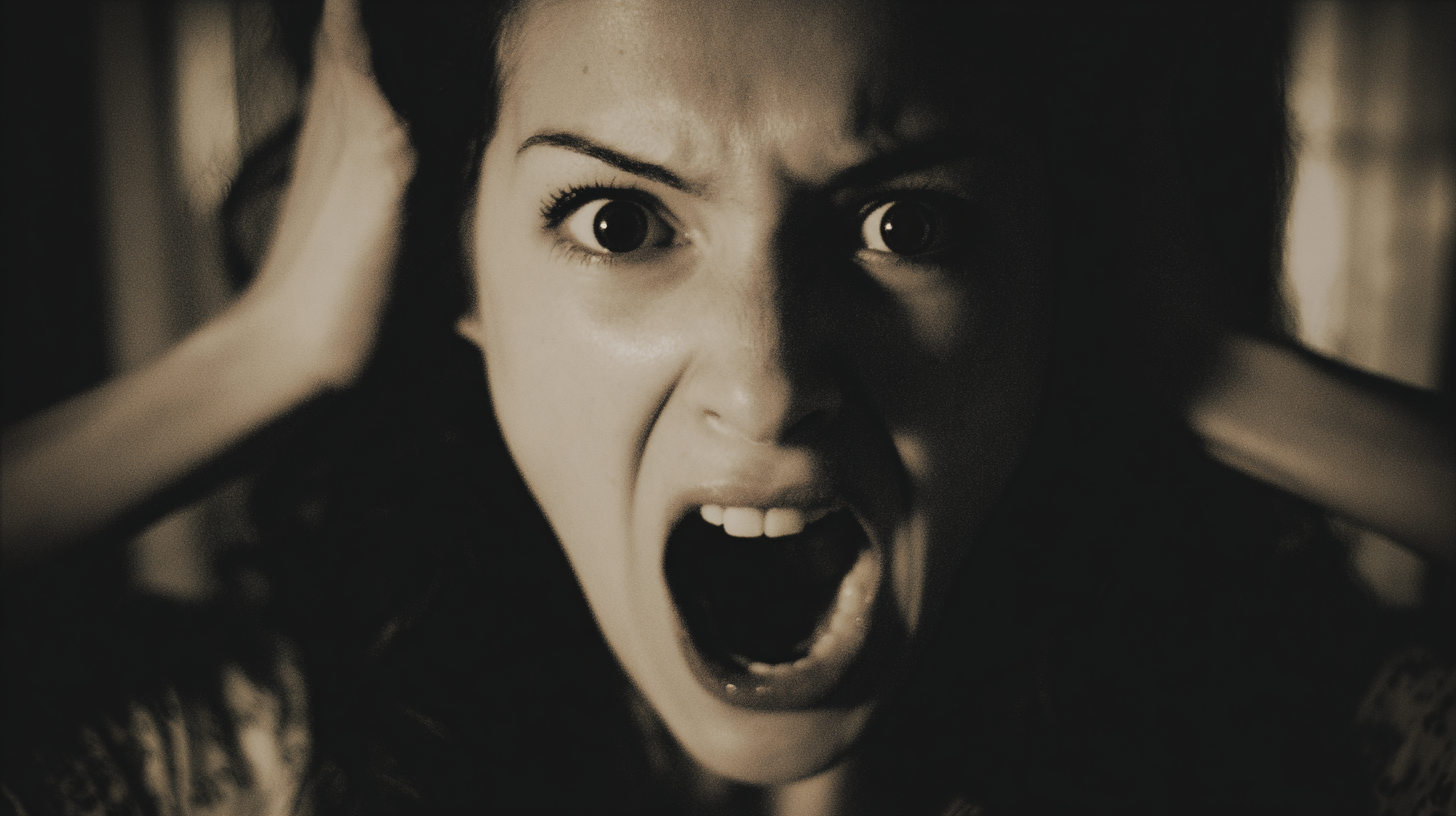
| Demographic | Test 1 (V6) | Test 2 (V7) | Test 3 (Pure) | Combined |
|---|---|---|---|---|
| Female | 100% | 90% | 80% | 90% |
| Male | 0% | 10% | 10% | 7% |
| Other | 0% | 0% | 10% | 3% |
| White | 95% | 95% | 90% | 93% |
| Young | 100% | 100% | 100% | 100% |
| Thin | 100% | 100% | 100% | 100% |
The complete documentation reveals that across 60 generations:
